
Artículo: Why Sustainable Elevated Essentials Matter
Why Sustainable Elevated Essentials Matter
A wardrobe says a lot before you do. The cut of a trouser, the weight of a shirt, the way a jacket holds its shape after a long day - these details separate impulse buys from sustainable elevated essentials. If you want clothing that looks considered, feels exceptional, and carries a lighter footprint, the standard is higher than simply choosing "basic" pieces in organic cotton.
The real appeal of a refined wardrobe is not minimalism for its own sake. It is precision. Fewer pieces, chosen well, can do more work across office hours, flights, dinners, weekends, and the in-between moments that make up most of life. But sustainability changes the criteria. A good essential is no longer just versatile or flattering. It also has to justify its materials, its construction, and the conditions under which it was made.
What sustainable elevated essentials actually mean
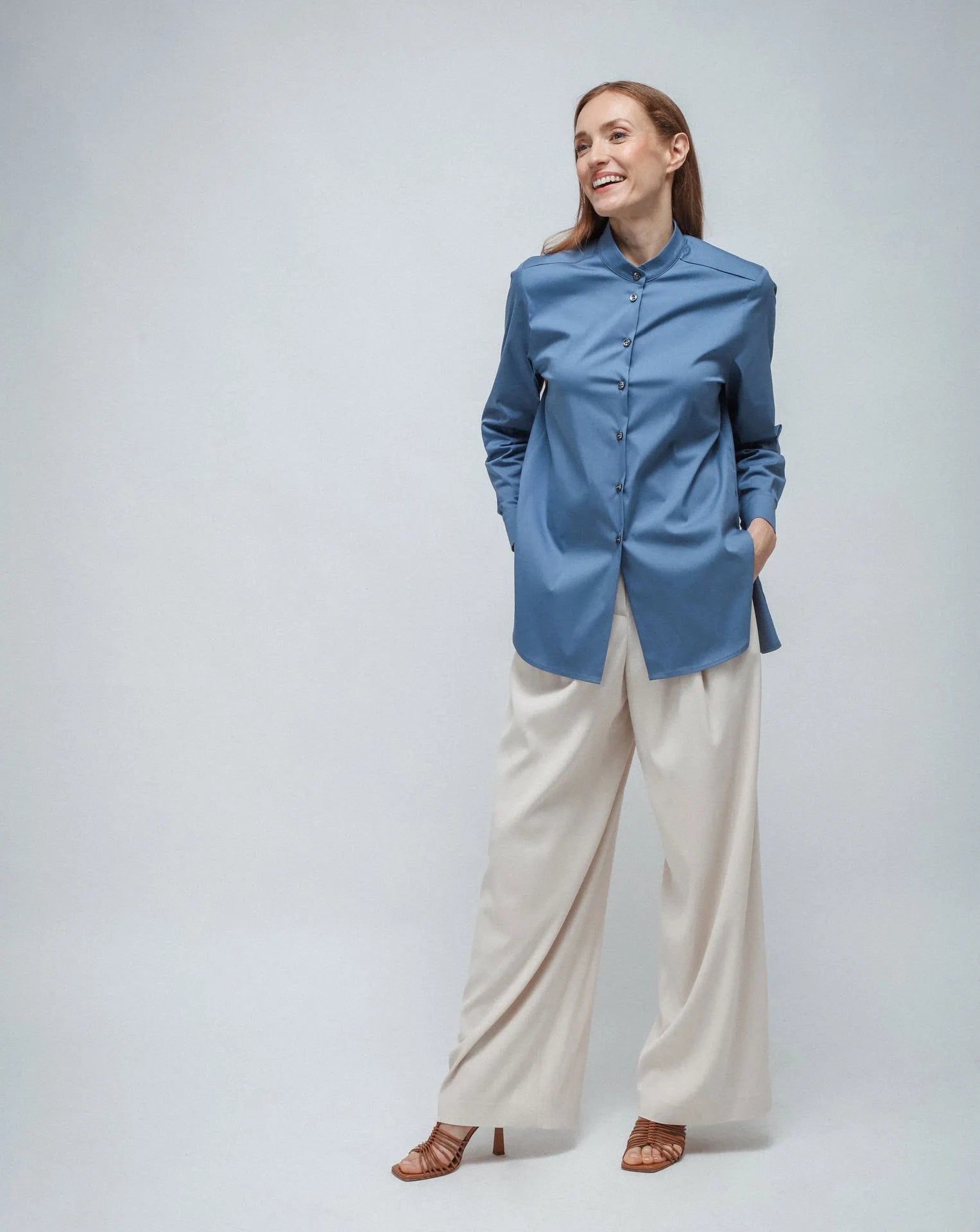
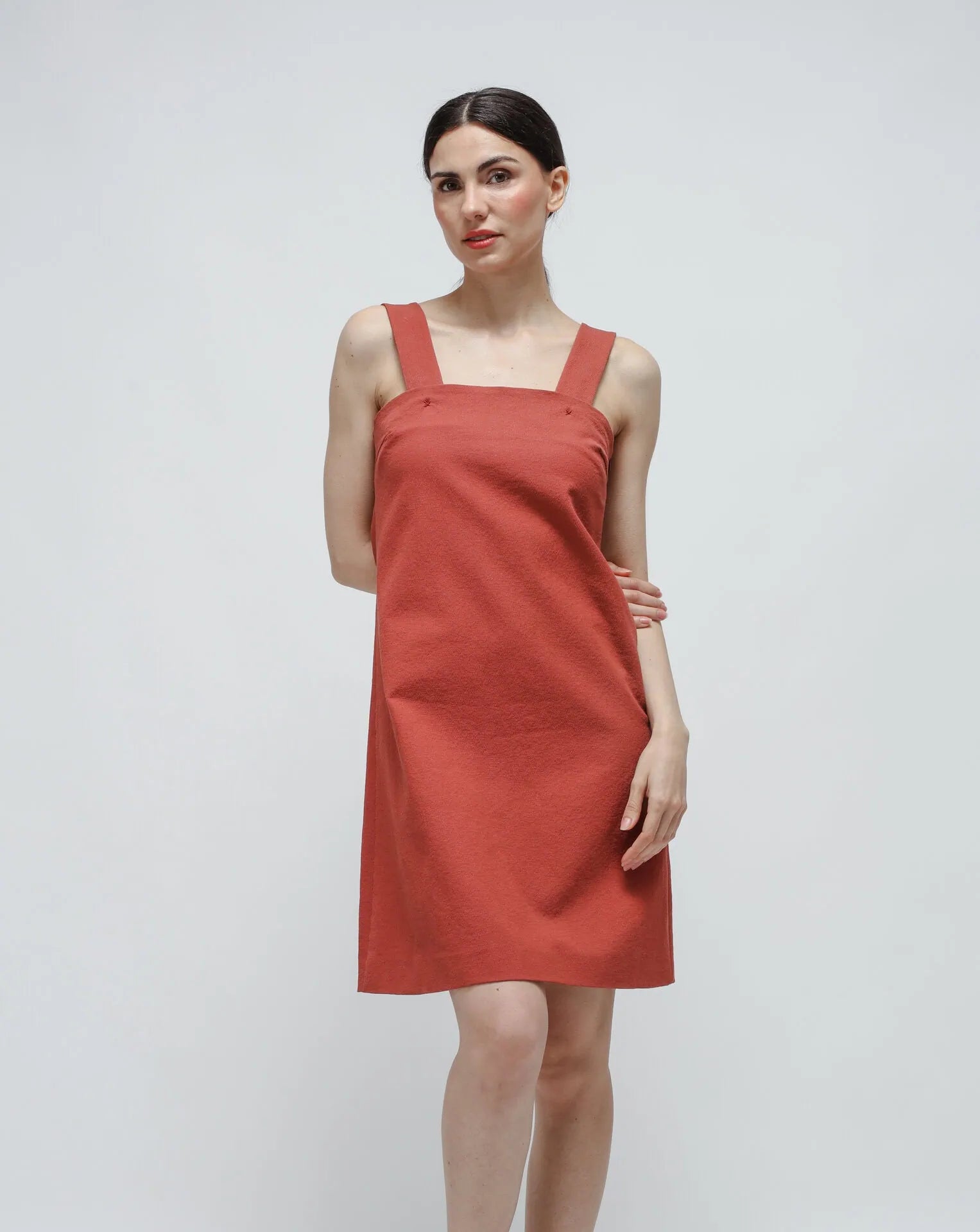
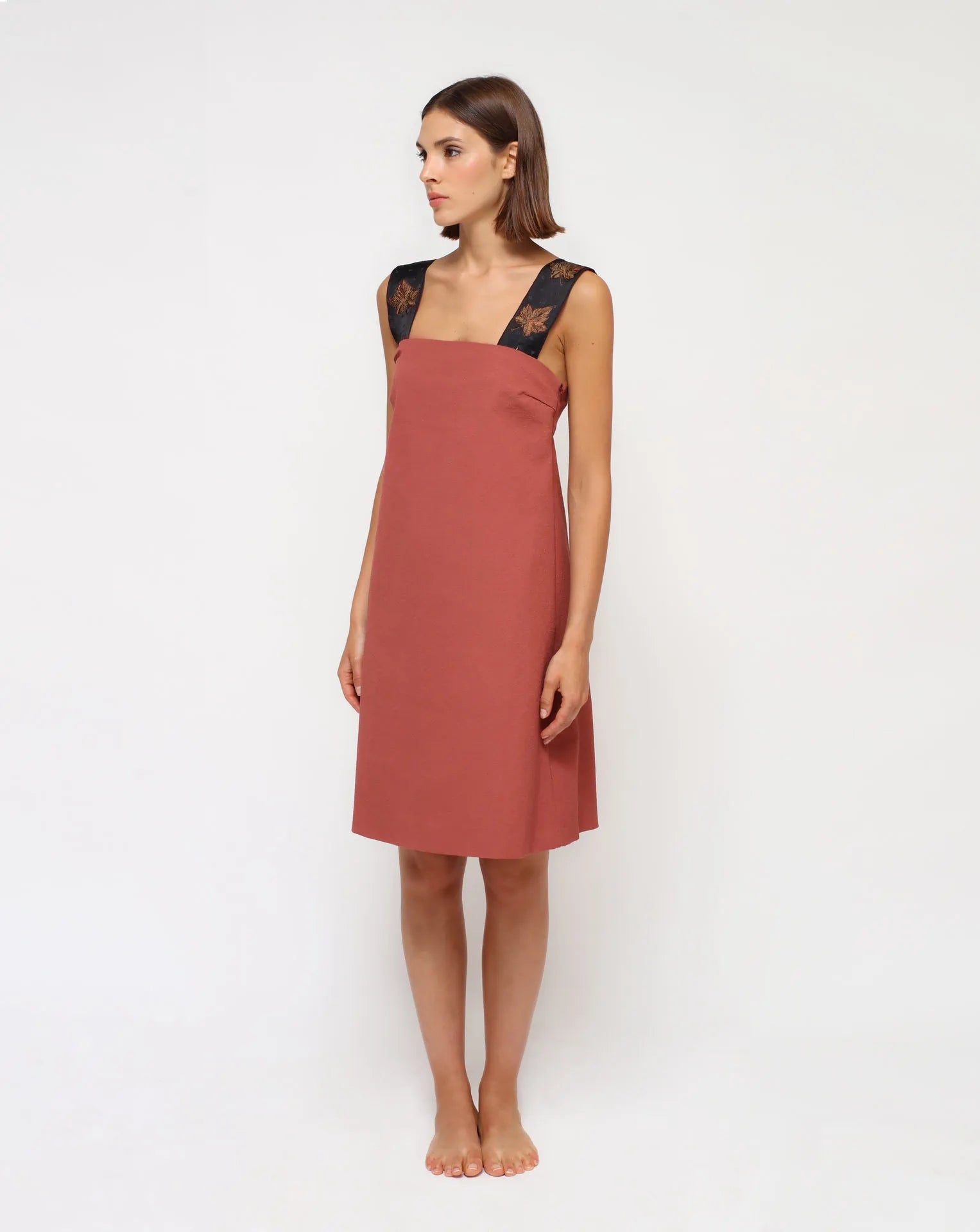
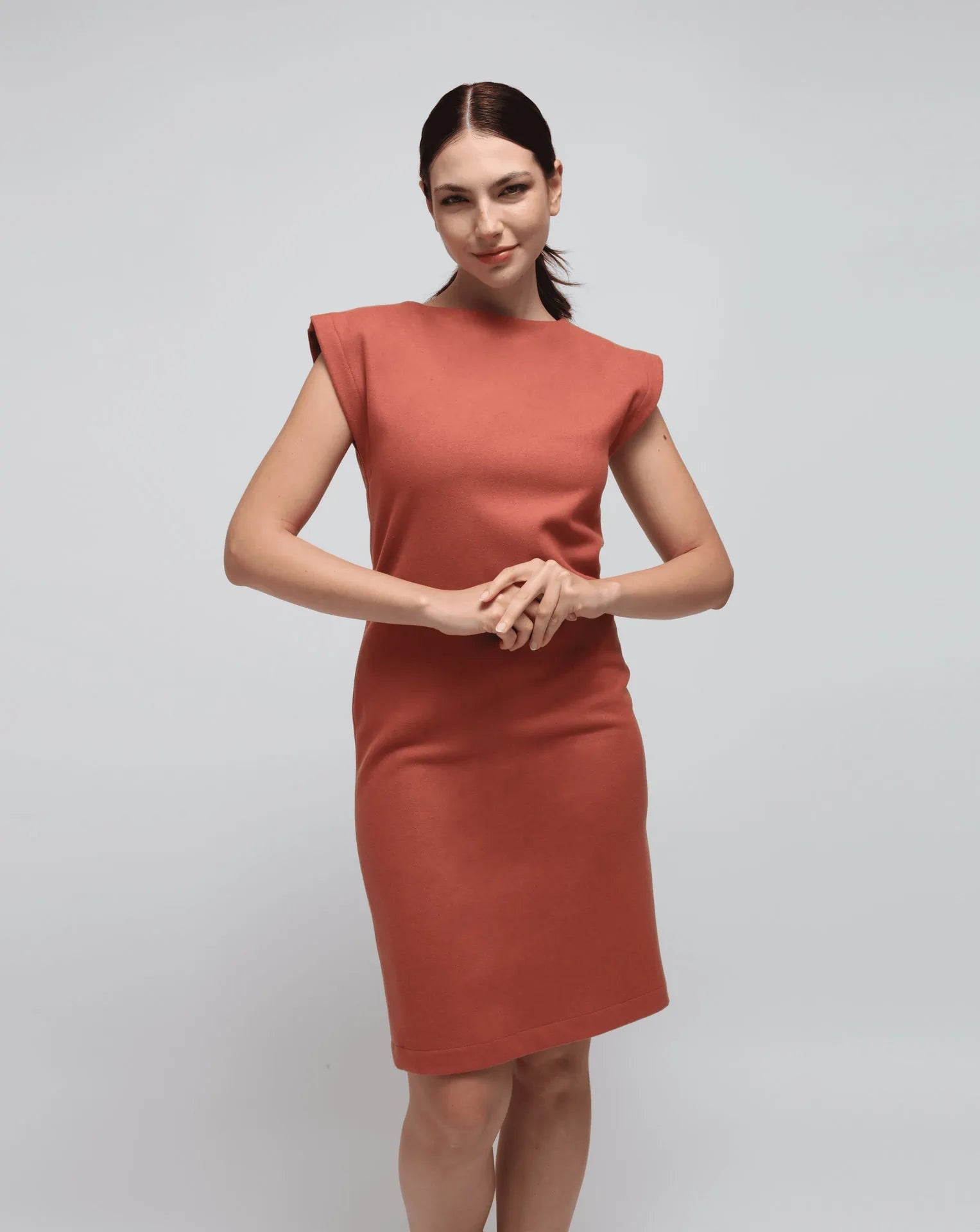
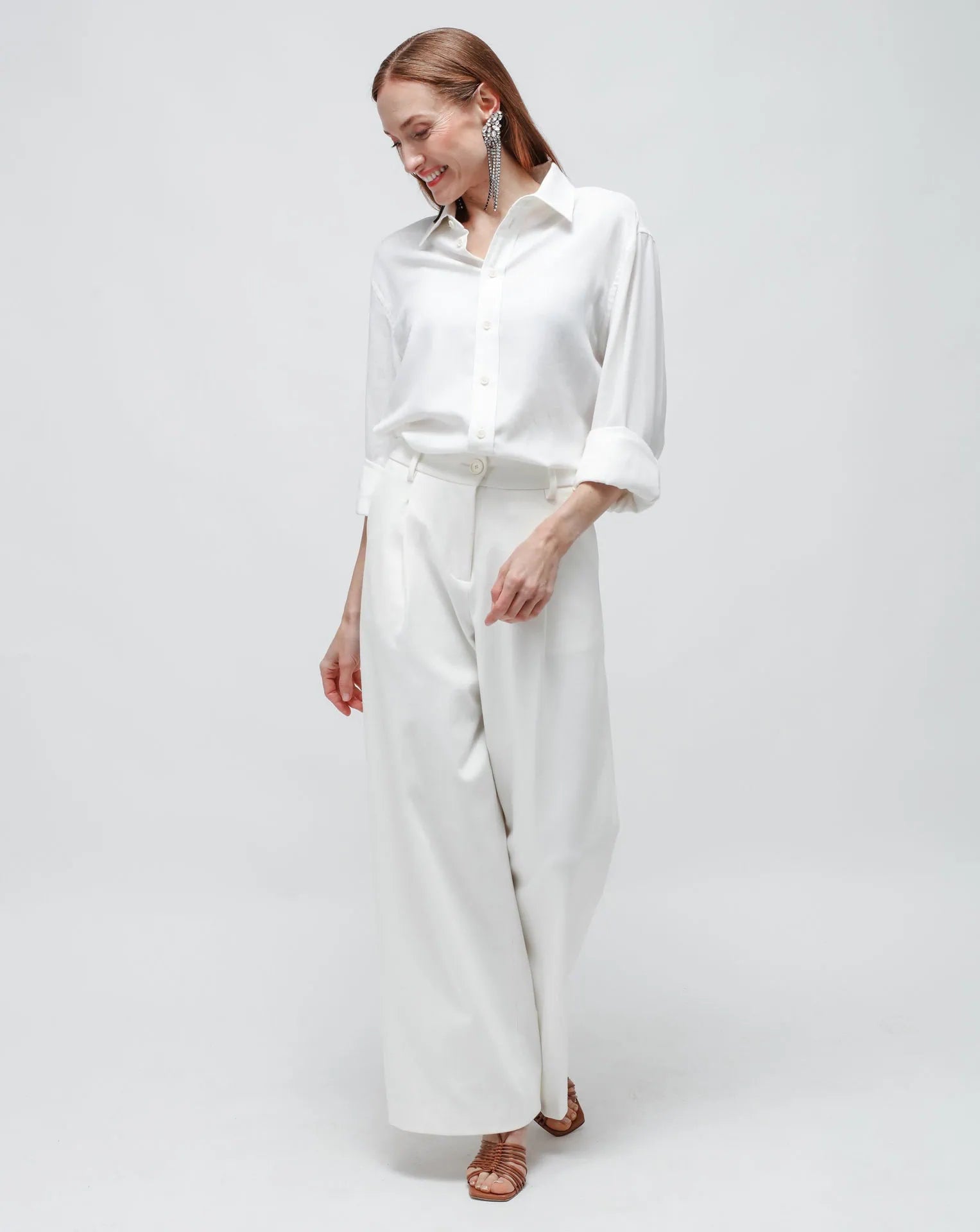
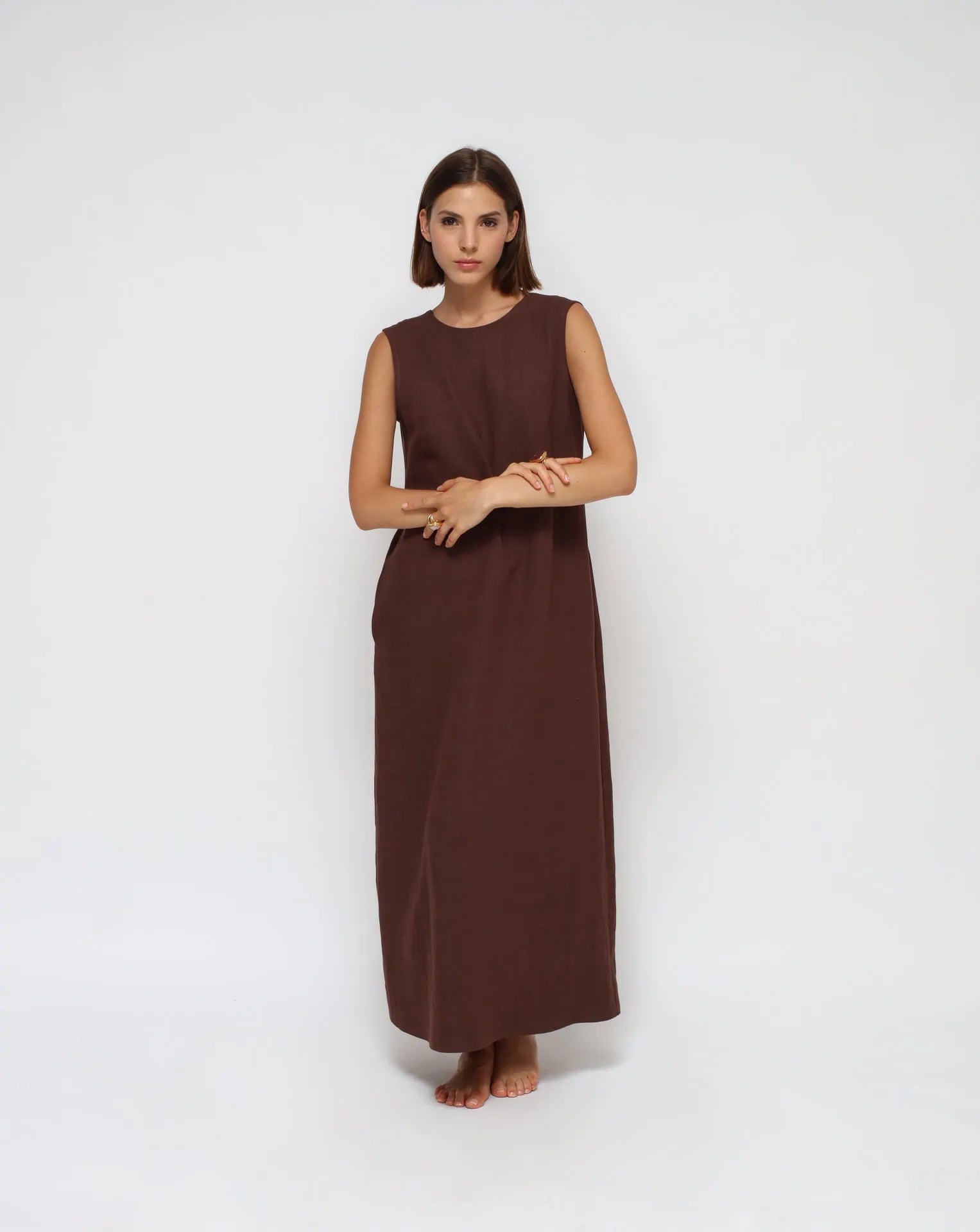
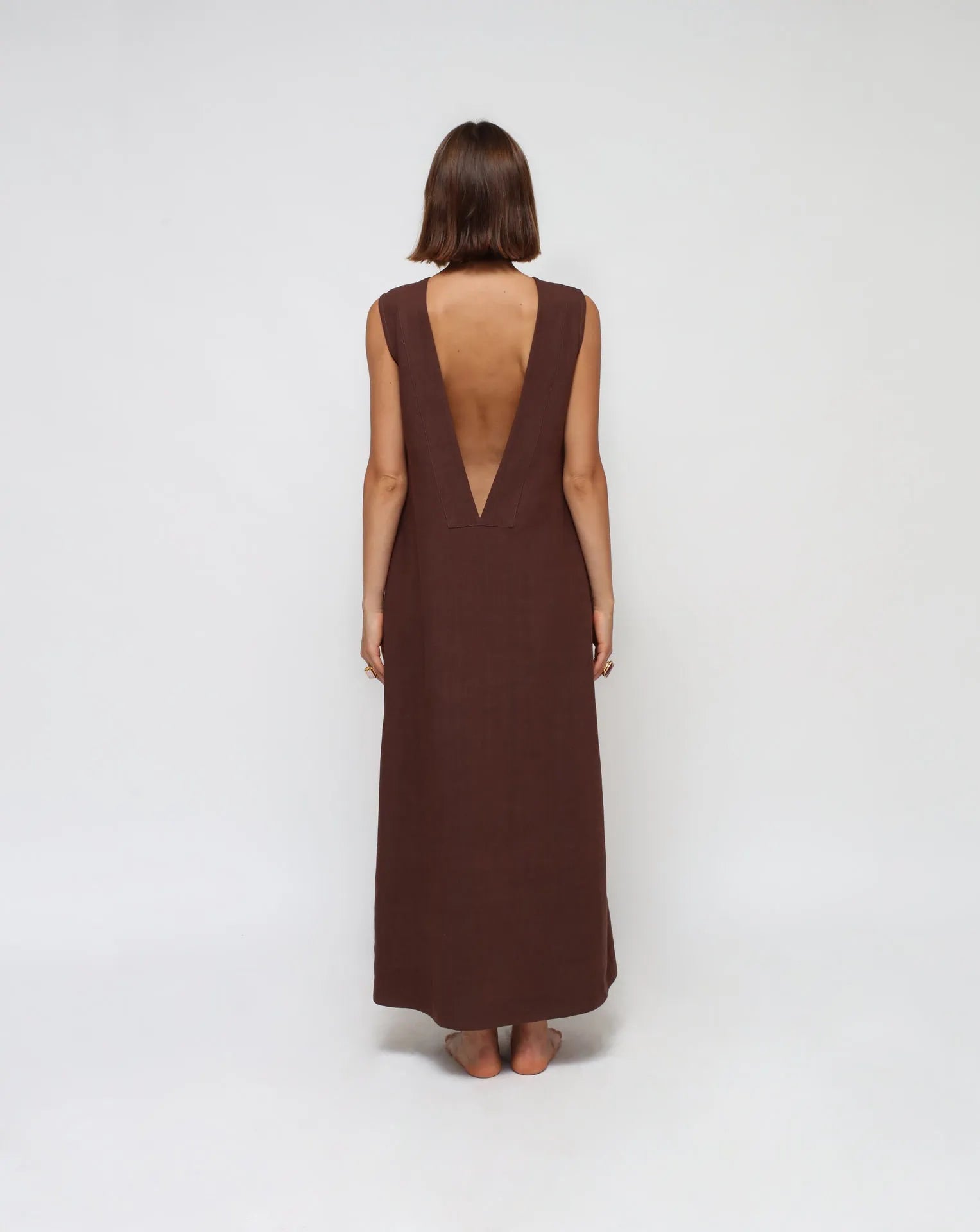
Sustainable elevated essentials sit at the intersection of design restraint and material integrity. They are the pieces you reach for often, but they never read as forgettable. Think a sharply cut shirt that works under tailoring and over denim, a dress with clean lines that can shift from daytime meetings to evening plans, or a men’s overshirt with enough structure to replace a light jacket.
The word elevated matters. An essential should not feel disposable, generic, or built for one season. It should have enough character to anchor a look and enough restraint to outlast trend cycles. That usually comes down to fabric quality, silhouette, proportion, and finishing.
The word sustainable matters just as much, and this is where many brands get vague. A truly sustainable essential is not defined by one claim on a hangtag. It is shaped by better sourcing, lower-waste production, realistic volumes, and a design philosophy that values longevity over churn. Deadstock fabrics, small-batch handmade production, and transparent pricing are stronger signals than broad promises with no specifics behind them.
The problem with ordinary basics
The market is crowded with basics. Most are cheap for a reason. They rely on volume, compressed margins, and the assumption that replacement is part of the business model. A T-shirt that twists after two washes or pants that lose their line by midseason are not affordable in any meaningful sense. They are simply underpriced at the point of sale and expensive over time.
That is the trap sustainable elevated essentials are meant to avoid. You buy fewer items, but each one performs harder. It holds shape. It layers well. It resists the fatigue that comes from overdesigned clothing and poor fabrication.
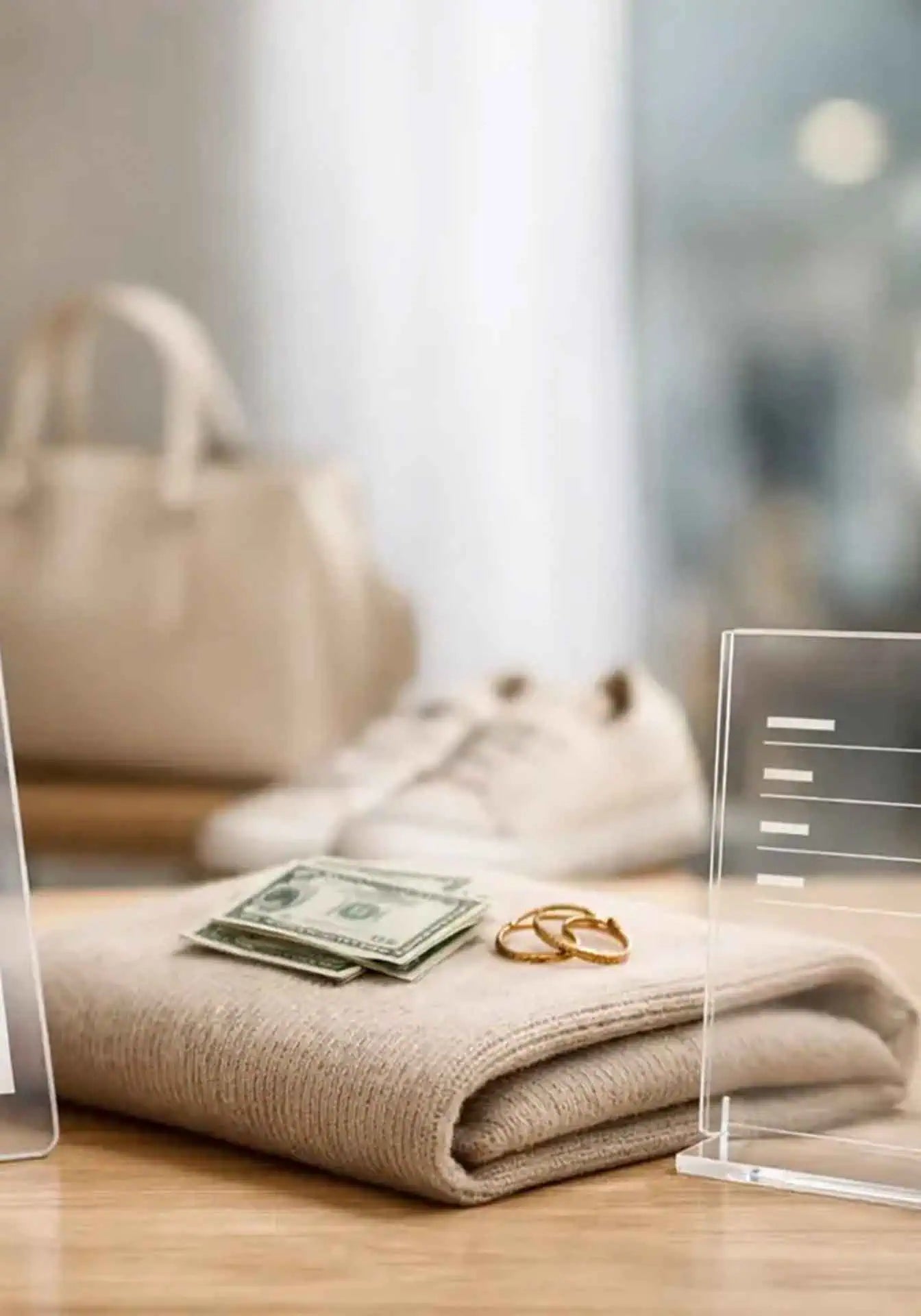
There is, of course, a trade-off. Better materials and smaller production runs usually mean a higher upfront price. For a thoughtful buyer, the more useful question is not, "Is this cheap?" It is, "Will this still deserve space in my wardrobe a year from now?"
How to identify sustainable elevated essentials
Start with fabric. If the material feels flimsy, overly synthetic, or oddly finished, no amount of branding will make it an elevated essential. Premium deadstock fabrics are especially compelling because they use existing high-quality textiles that would otherwise go unused. That reduces waste while often delivering a richer handfeel and better drape than mass-market fabric programs.
Next, look at construction. Small-batch production tends to produce more consistency and care than mass manufacturing built around speed. Check seams, closures, lining, and how the garment sits on the body. Elevated essentials should feel resolved, not rushed.
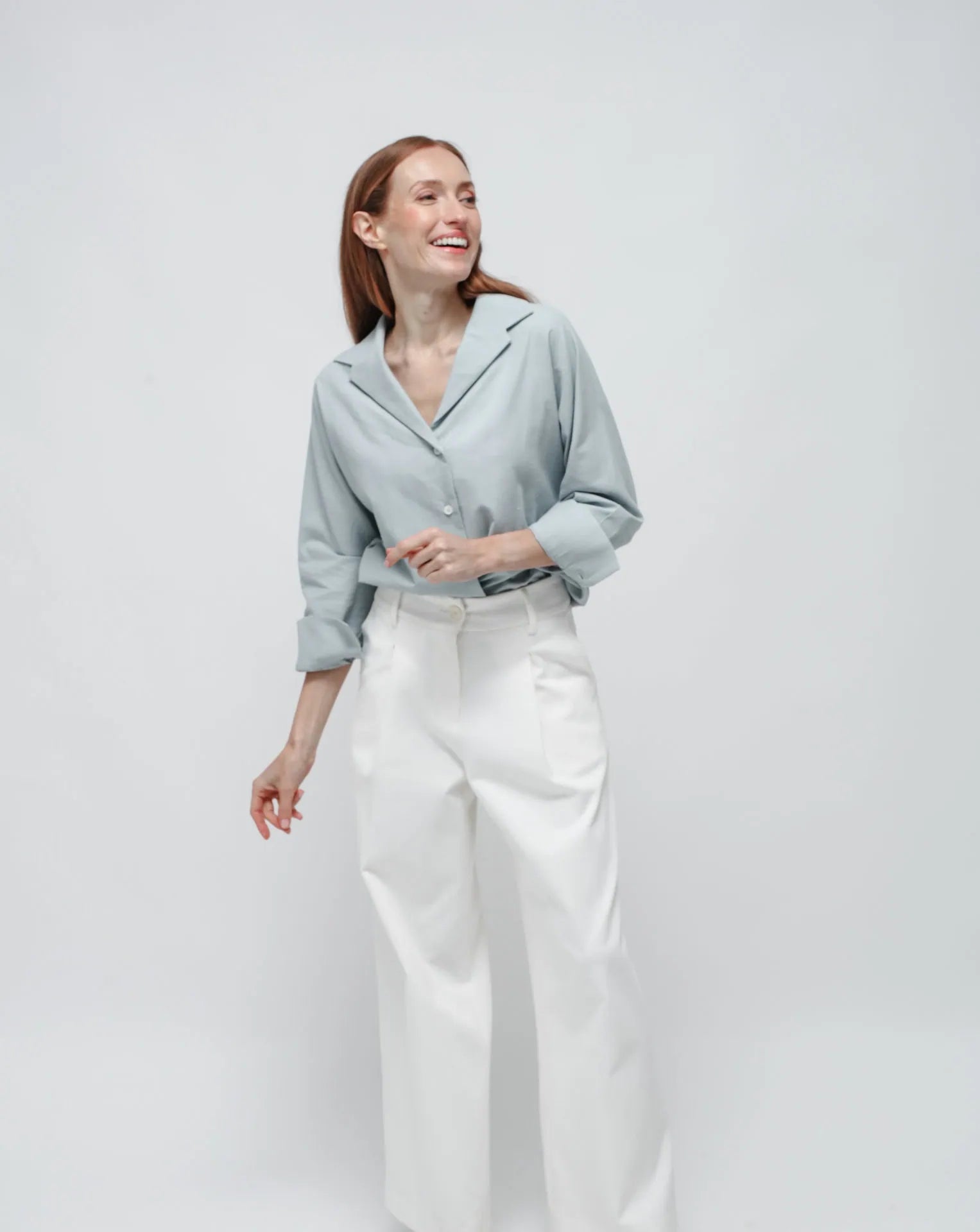
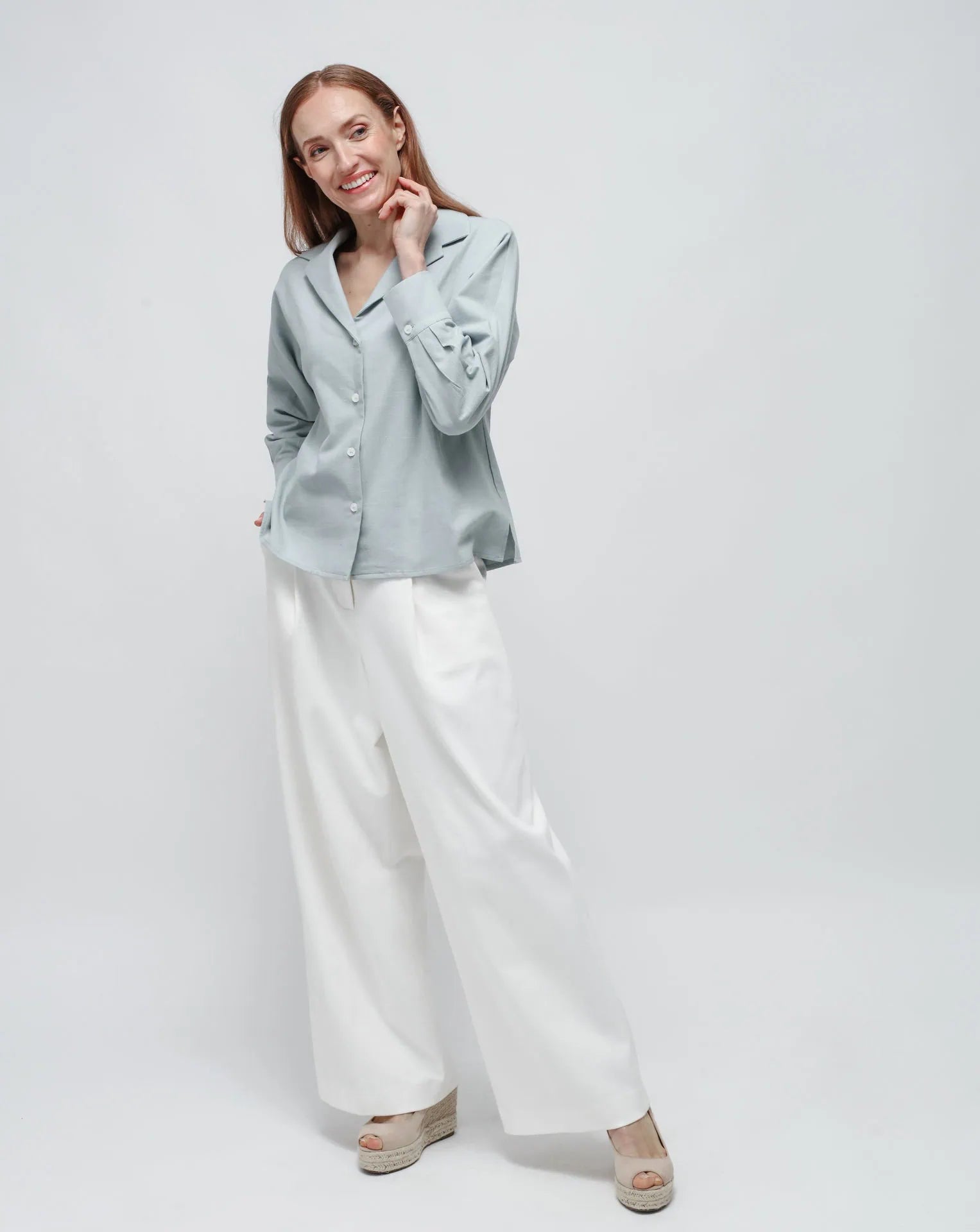
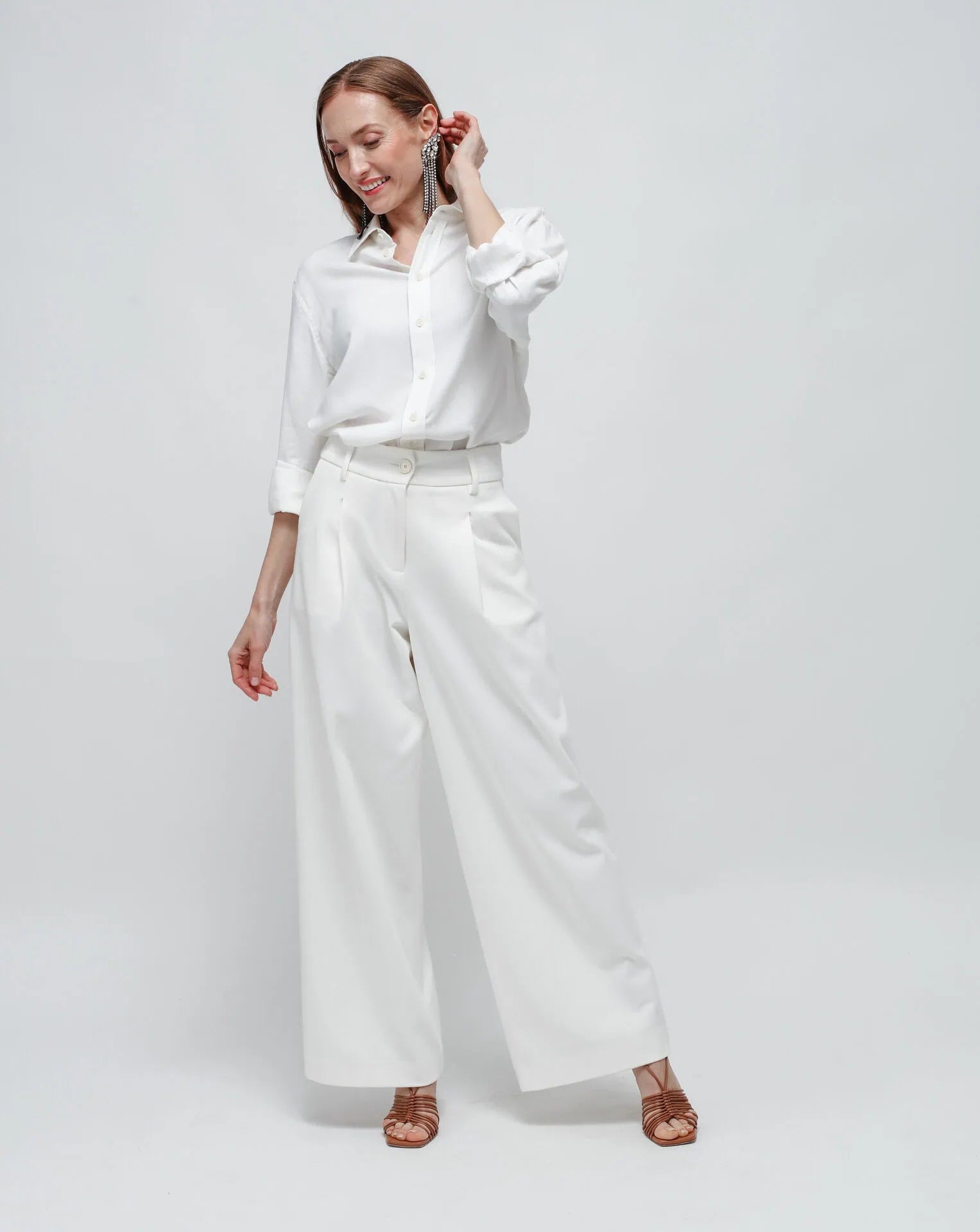
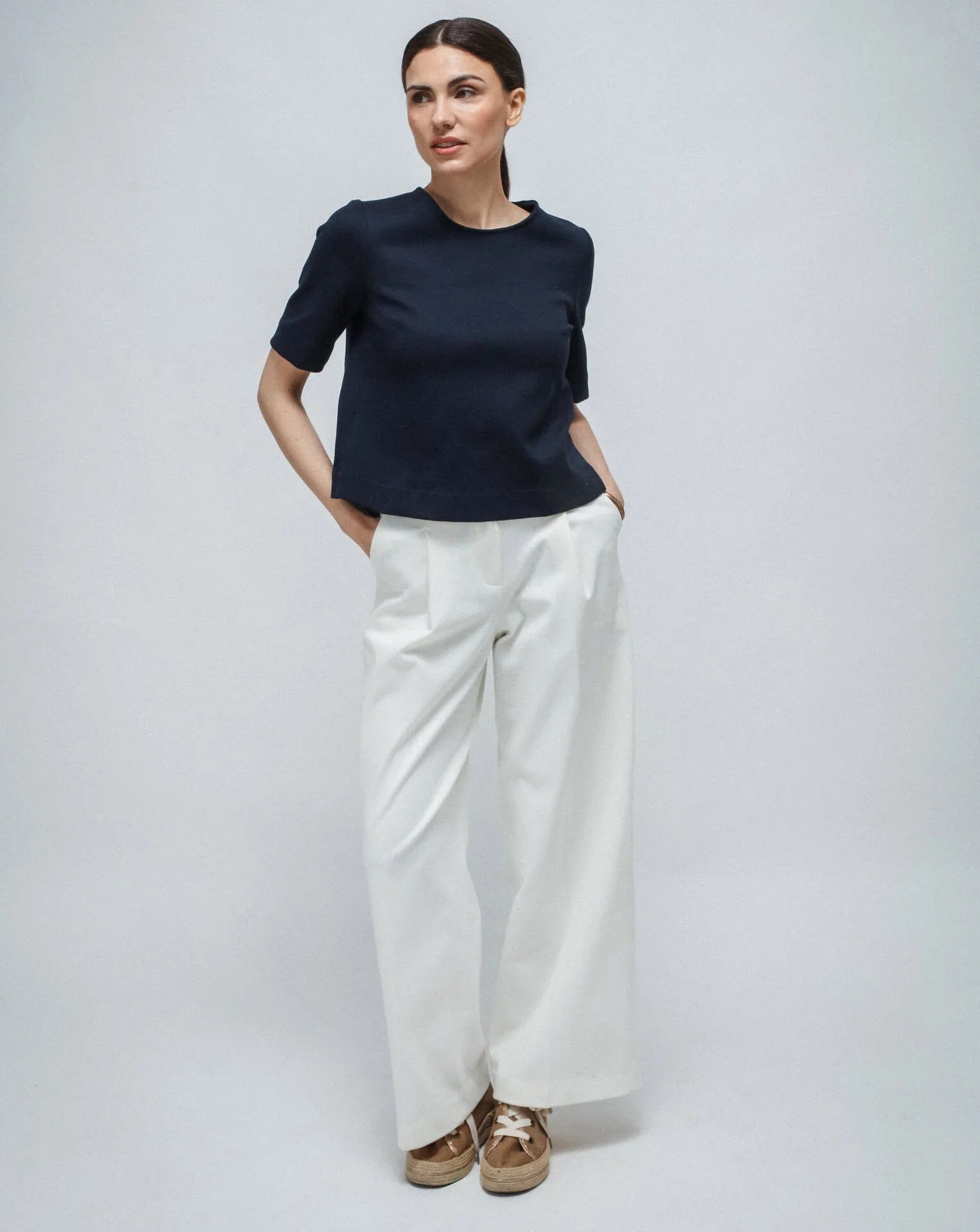
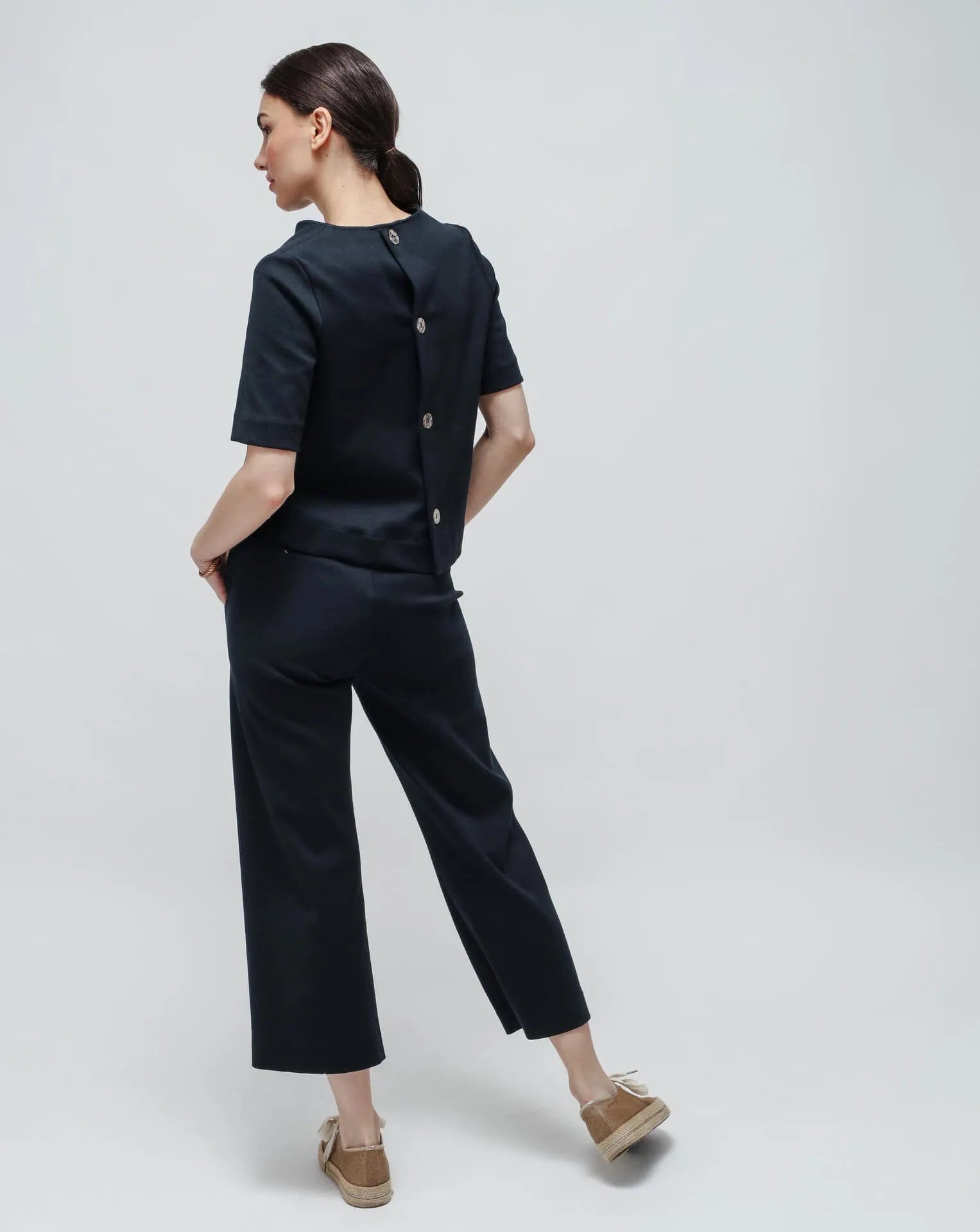
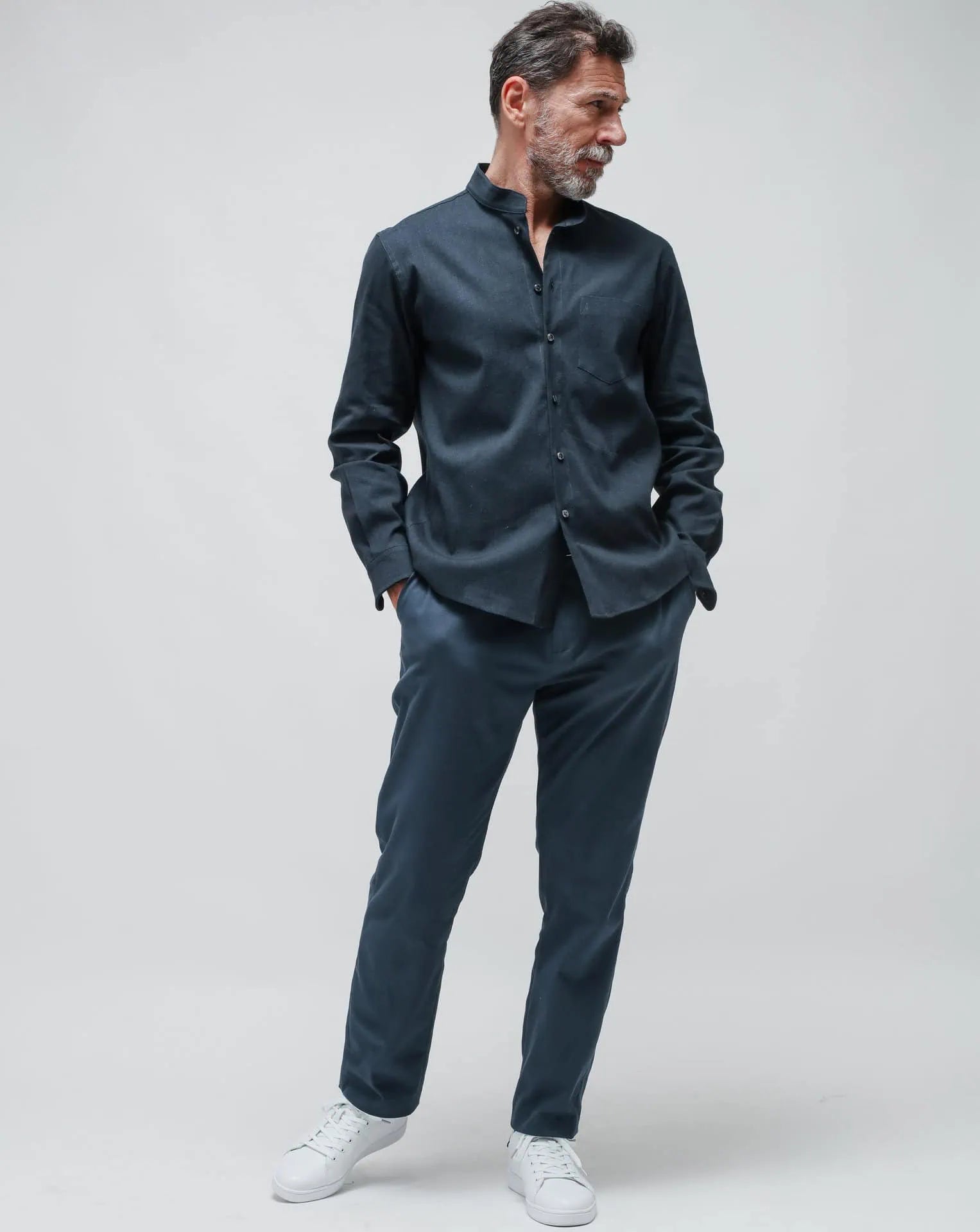
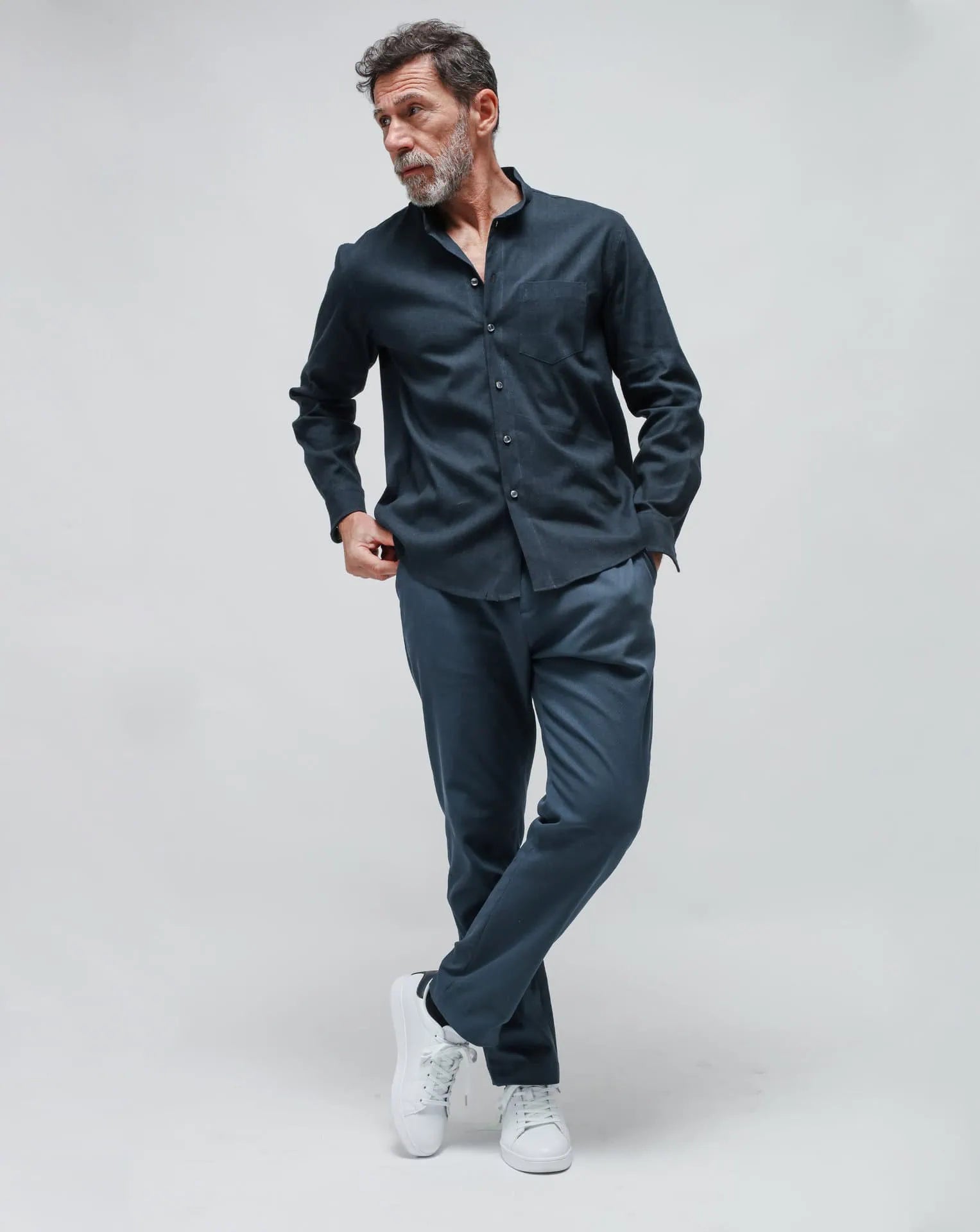
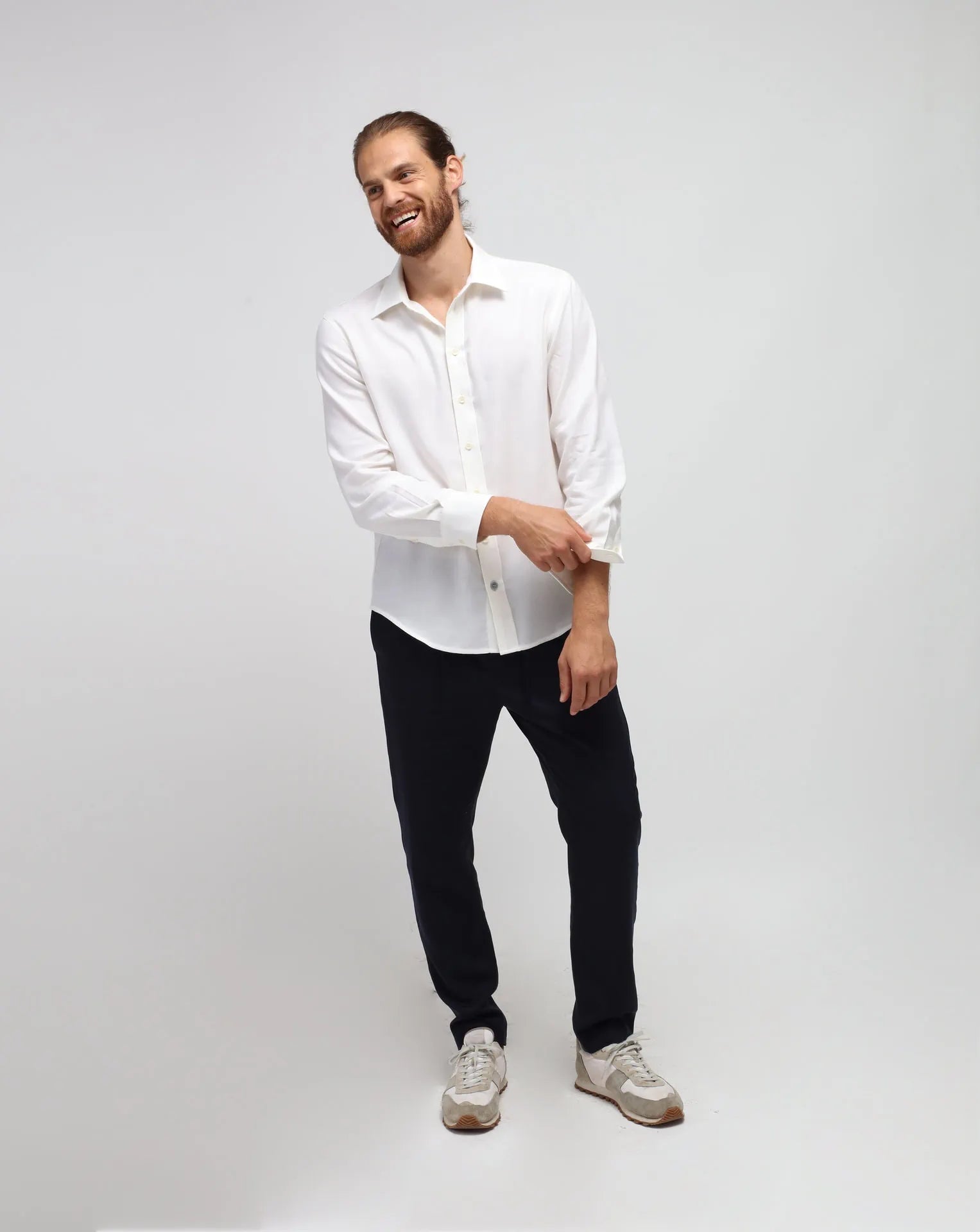
Then consider versatility without forcing it. Not every piece needs to work for every setting, but it should earn repeat wear. A women’s tailored black pant, for example, should move from office to dinner with a simple shift in styling. A men’s relaxed shirt should work tucked into trousers, worn open over a tee, or paired with matching shorts in warmer months.
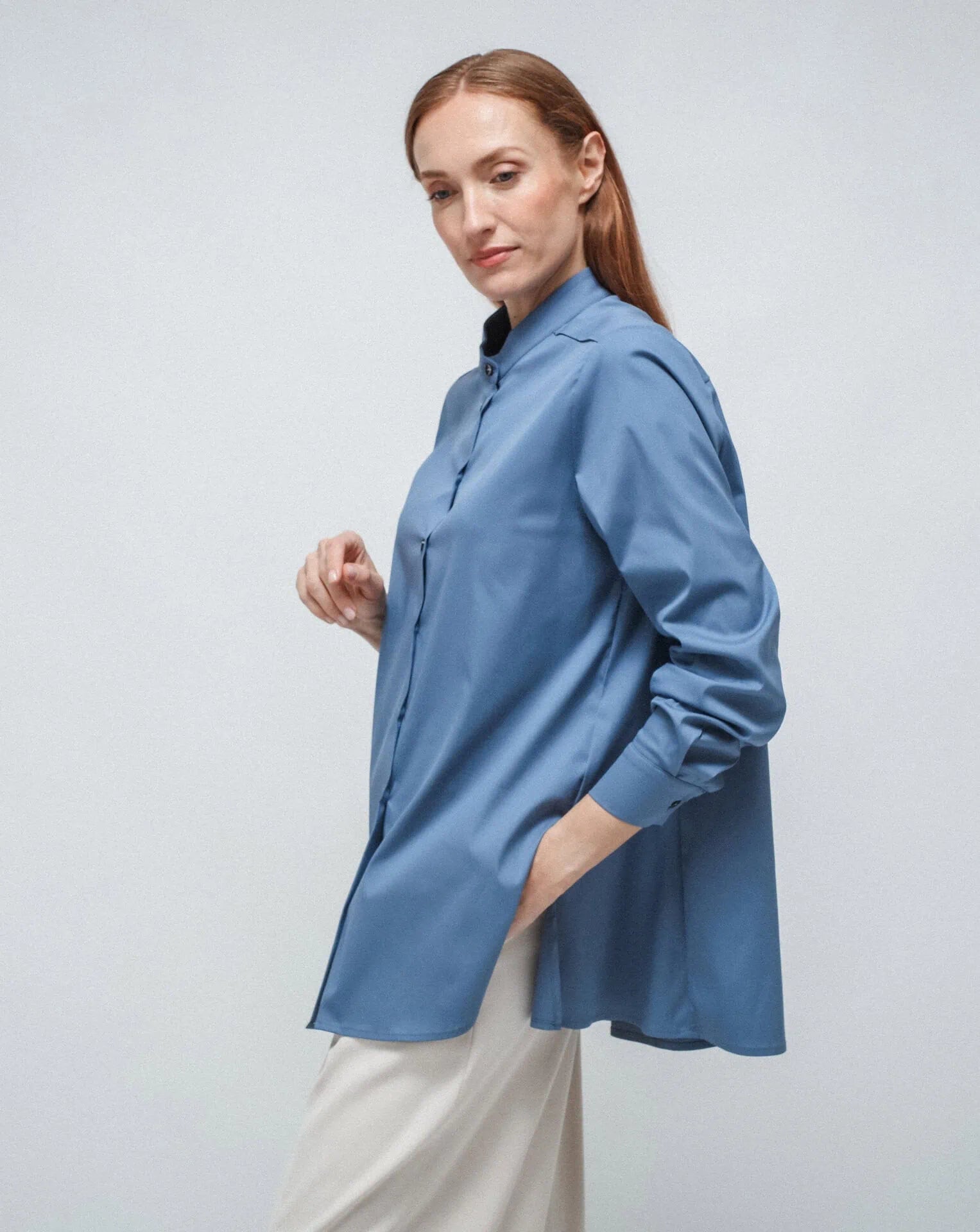
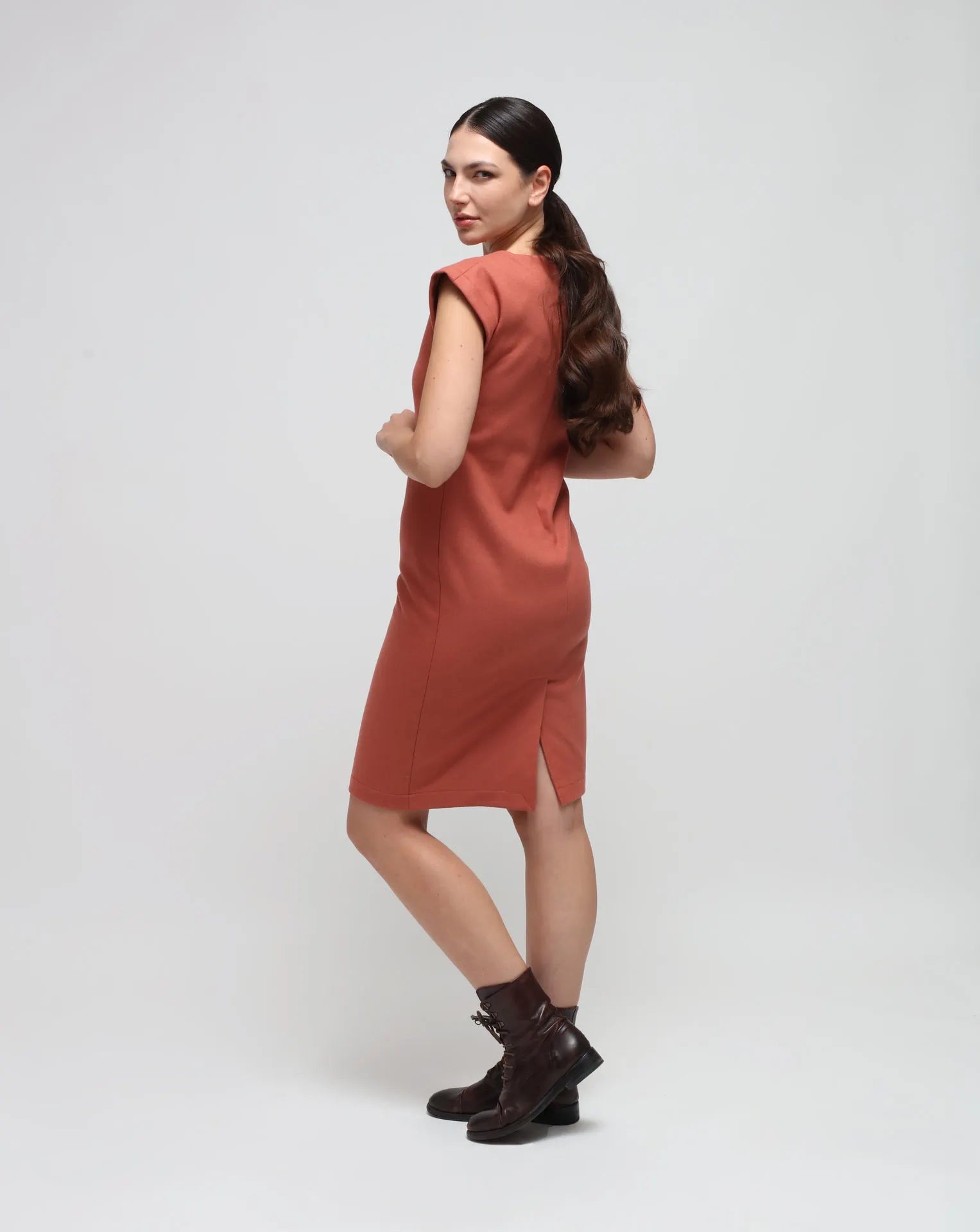
Finally, look for a point of view. The best essentials are edited, not bland. A slightly stronger shoulder, a better collar line, a cleaner hem, a more deliberate fabric choice - these are the quiet decisions that make a piece feel premium.
Sustainable elevated essentials for women and men
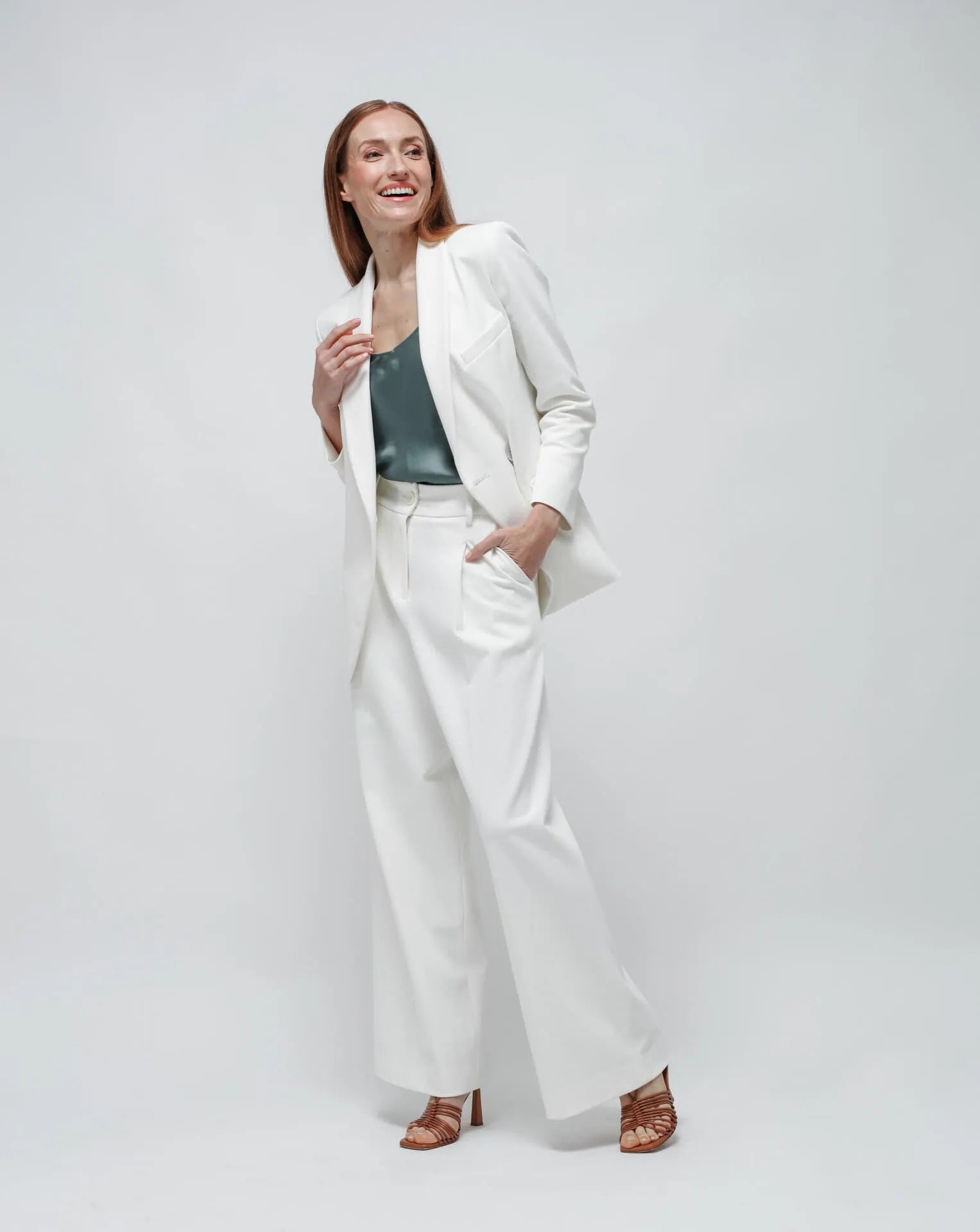
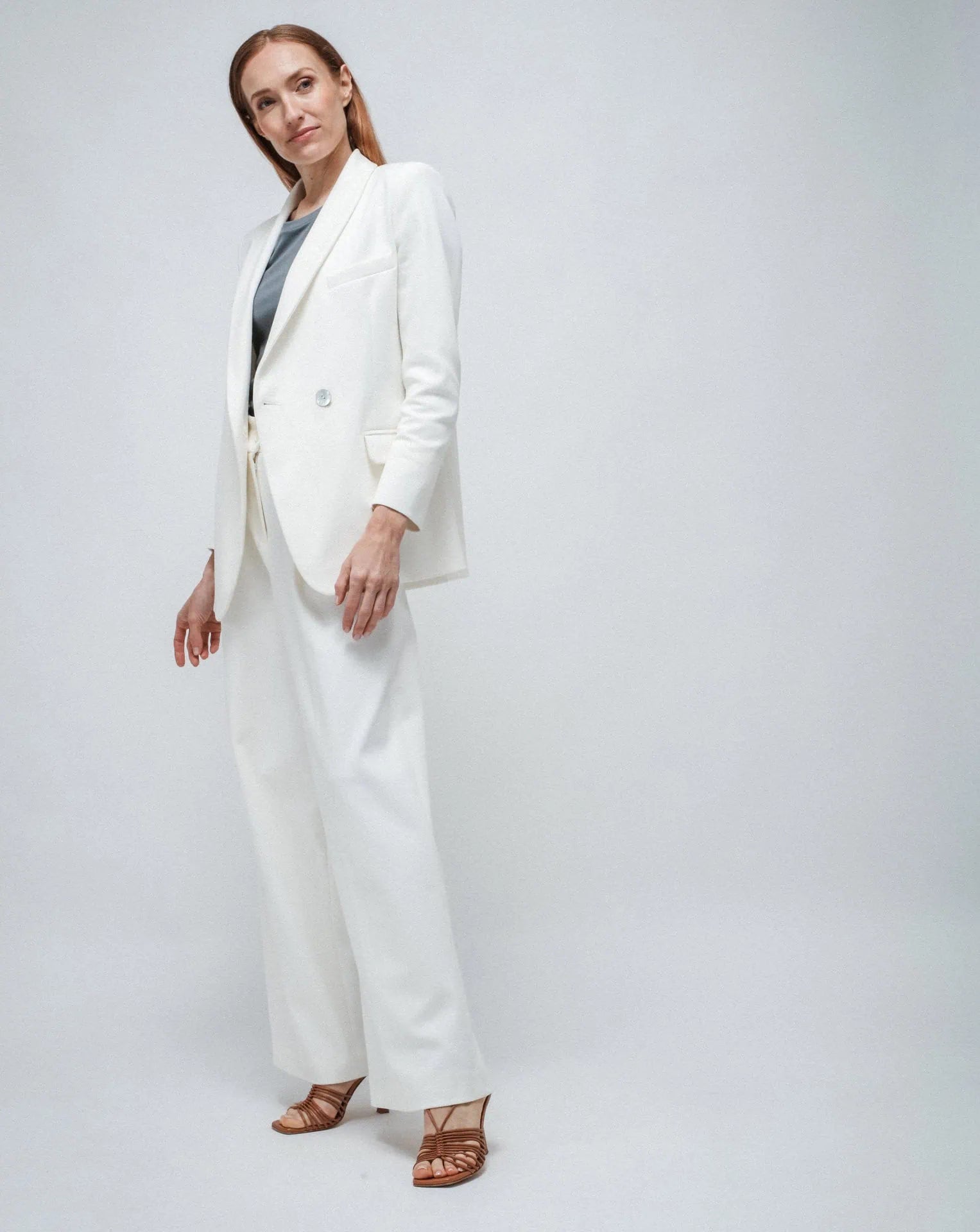
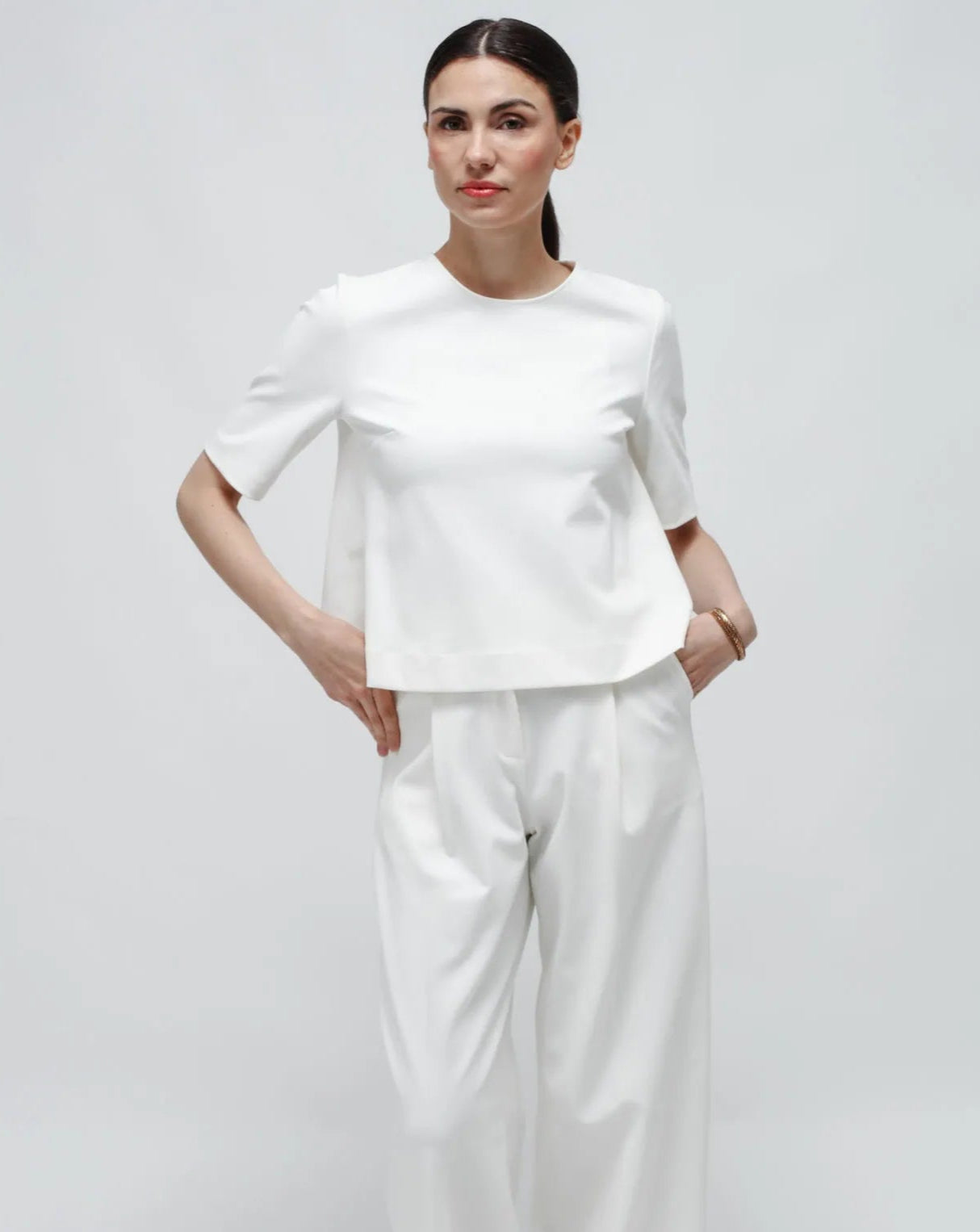
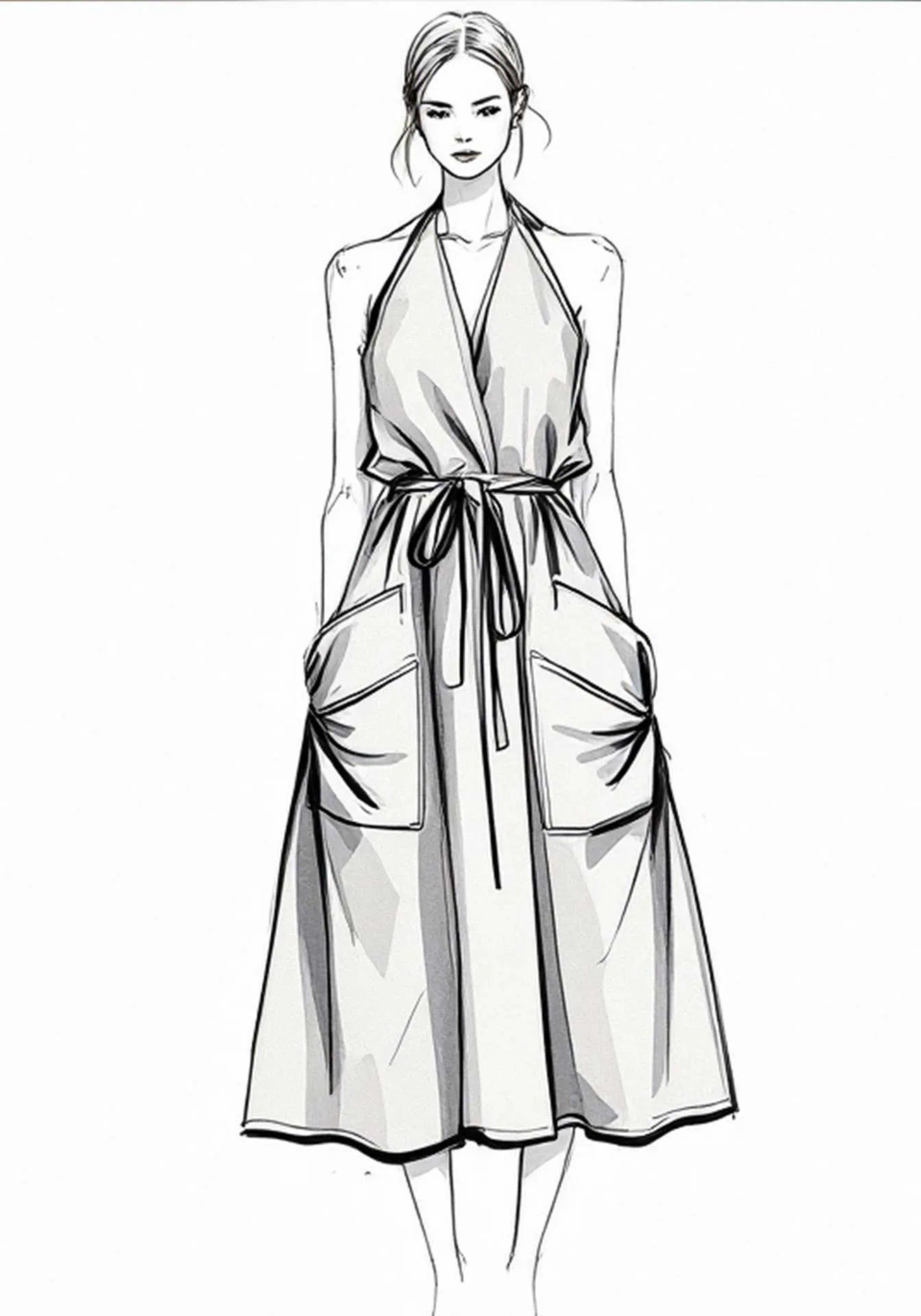
For women, the foundation often begins with dresses, tailored pants, fluid skirts, polished tops, and outerwear that can sharpen even the simplest look. A well-cut midi dress in a deadstock fabric can carry an entire day with almost no styling effort. So can a structured jacket layered over a soft knit top and straight-leg pants. If you are building product-focused content for search, this is where pieces like a women’s deadstock blazer, an Italian-made midi dress, or a sustainable coordinated set can be naturally featured.
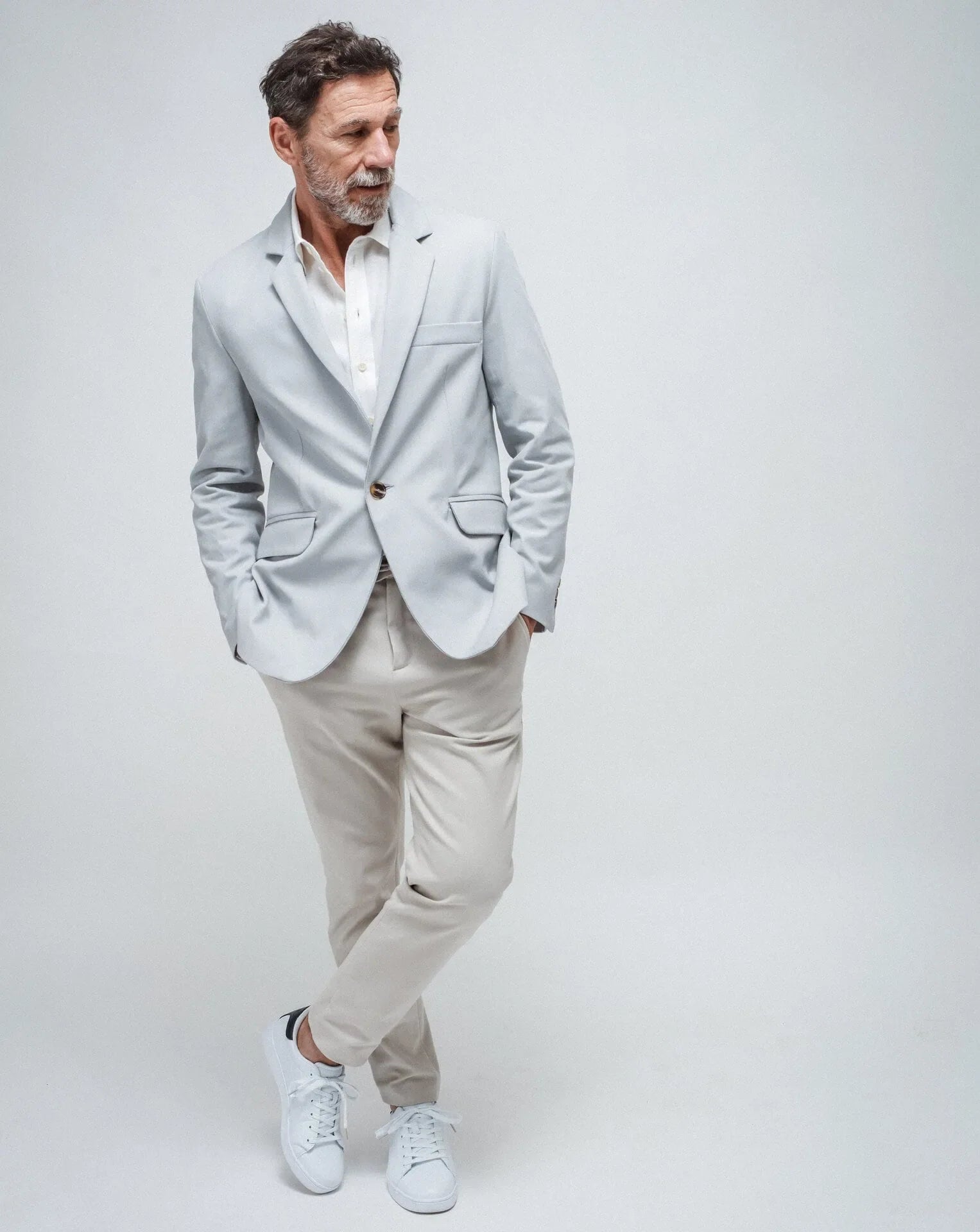
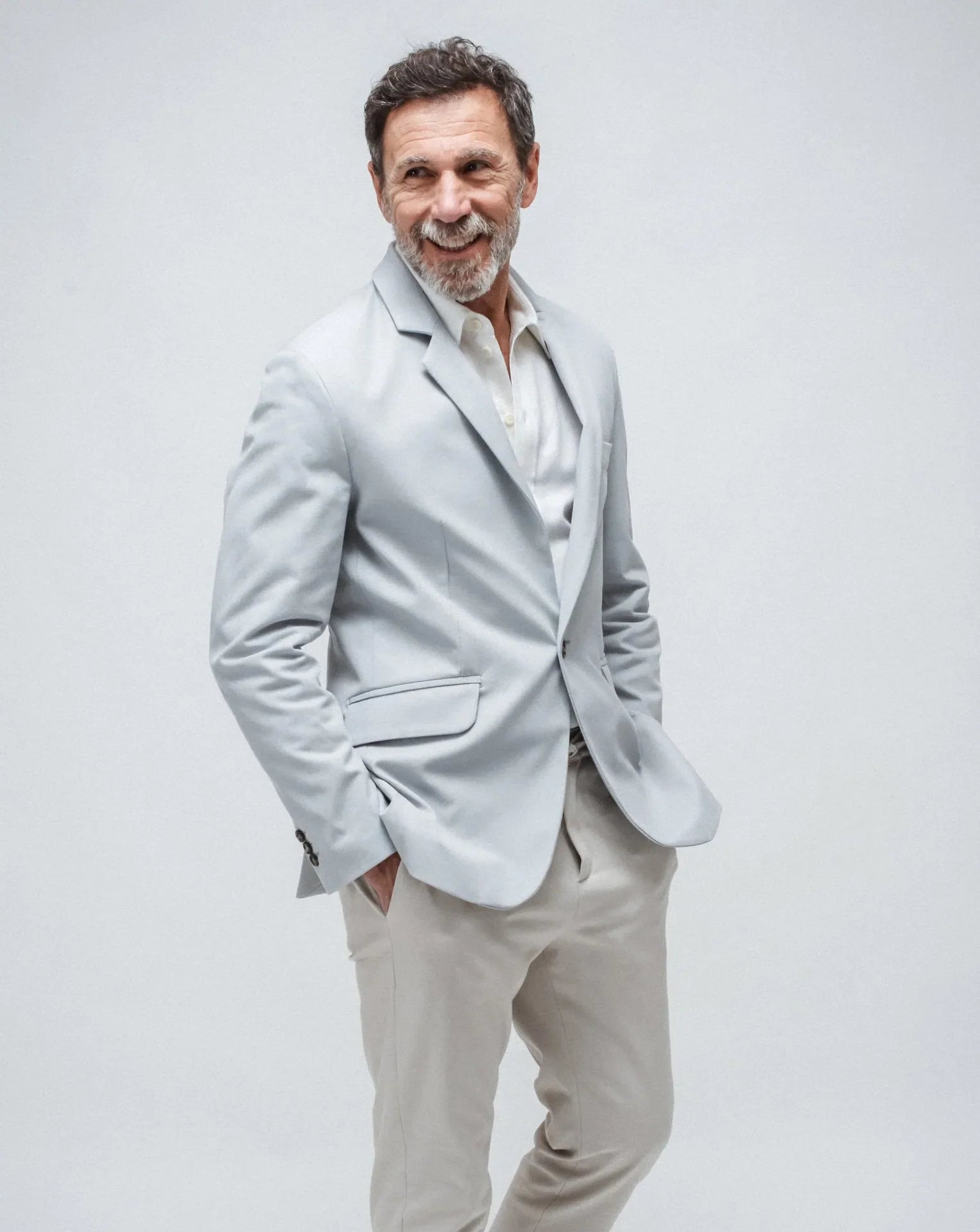
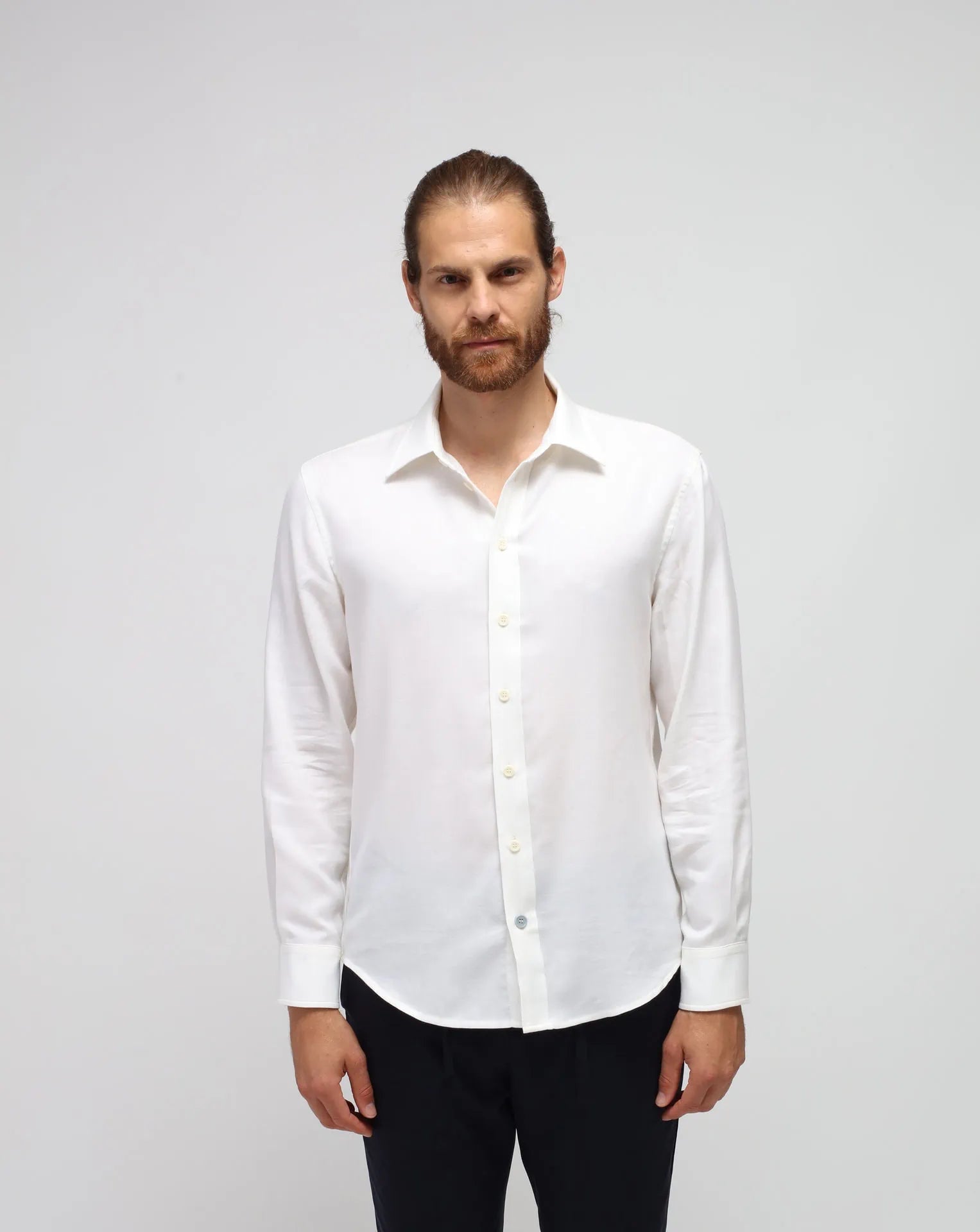
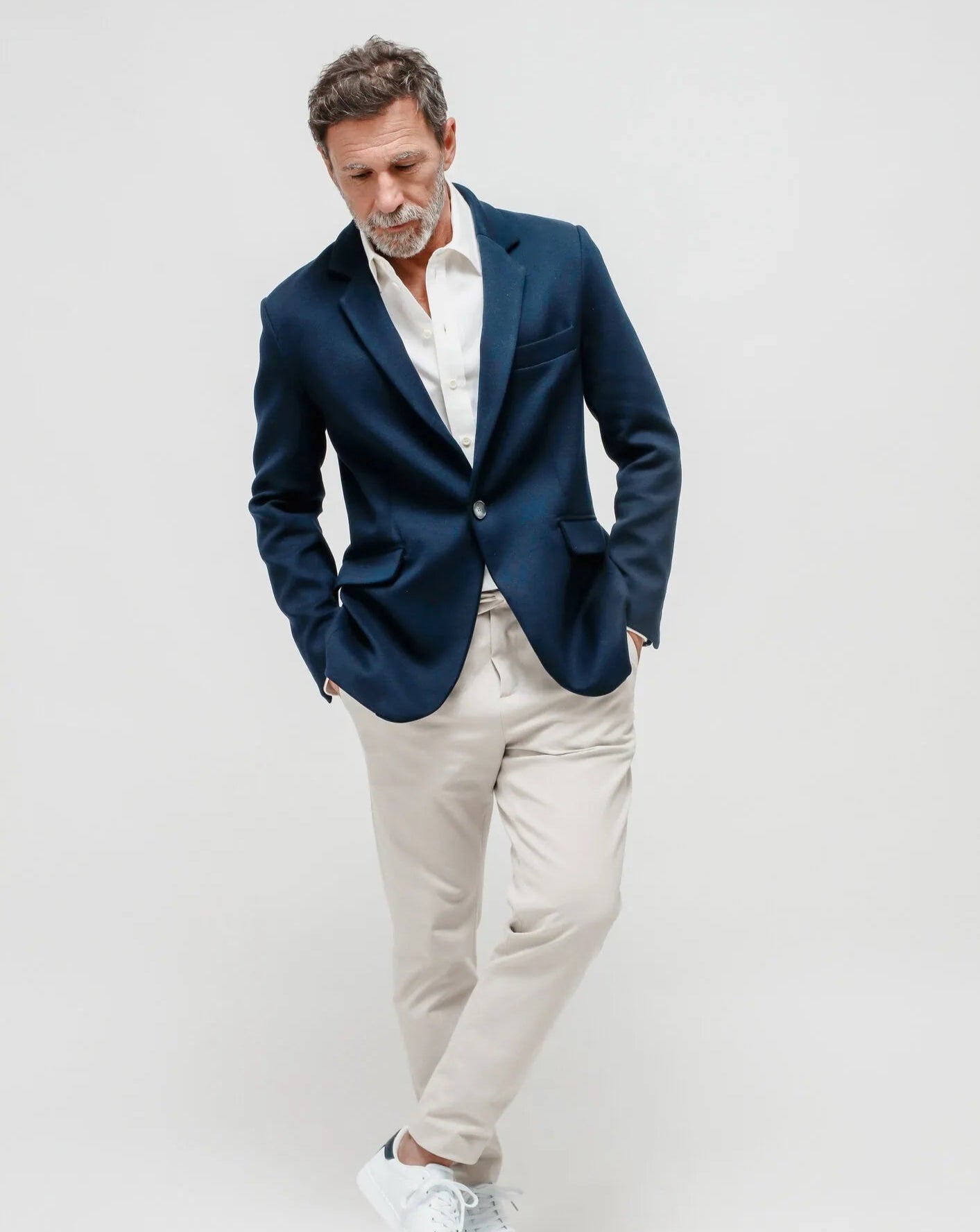
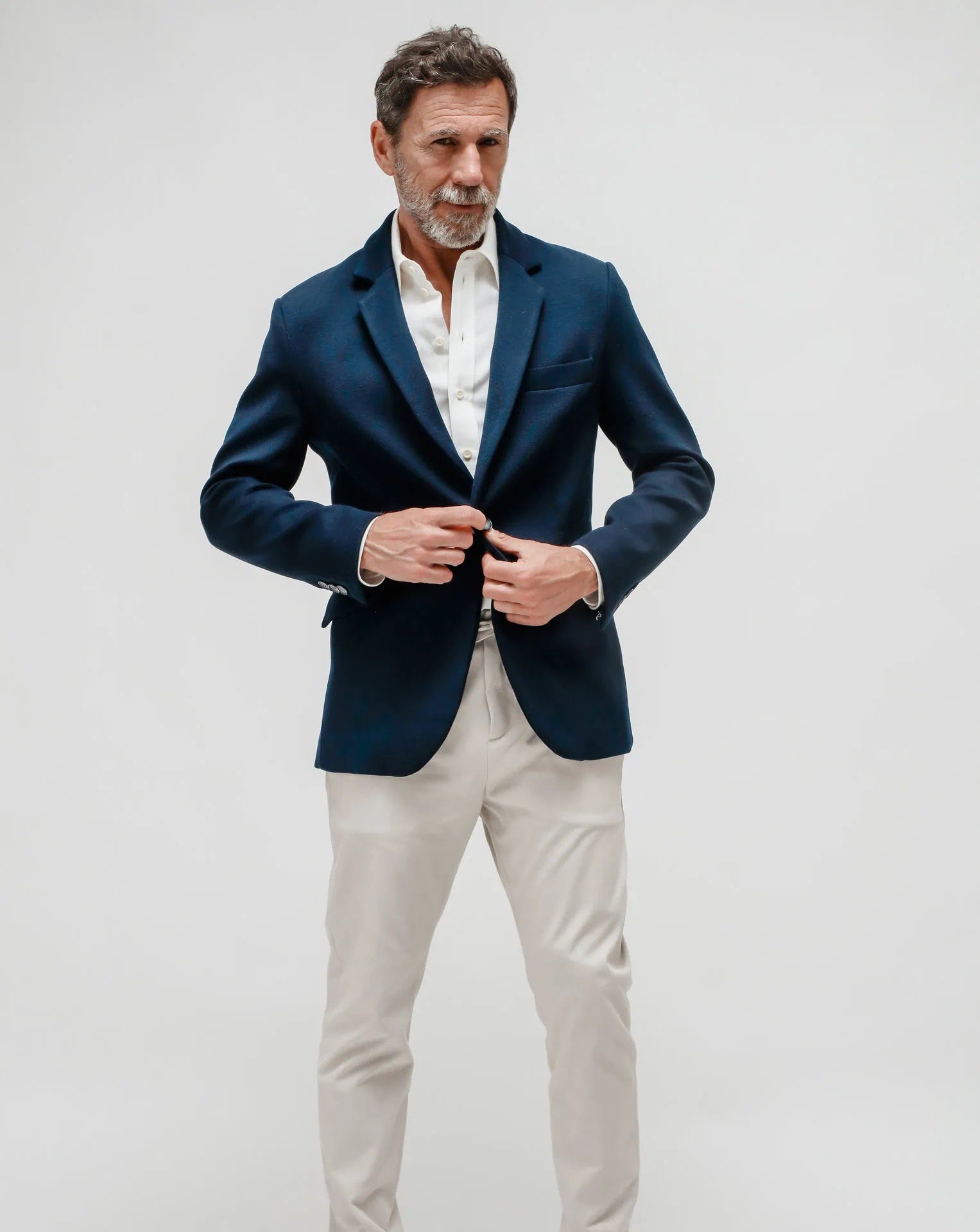
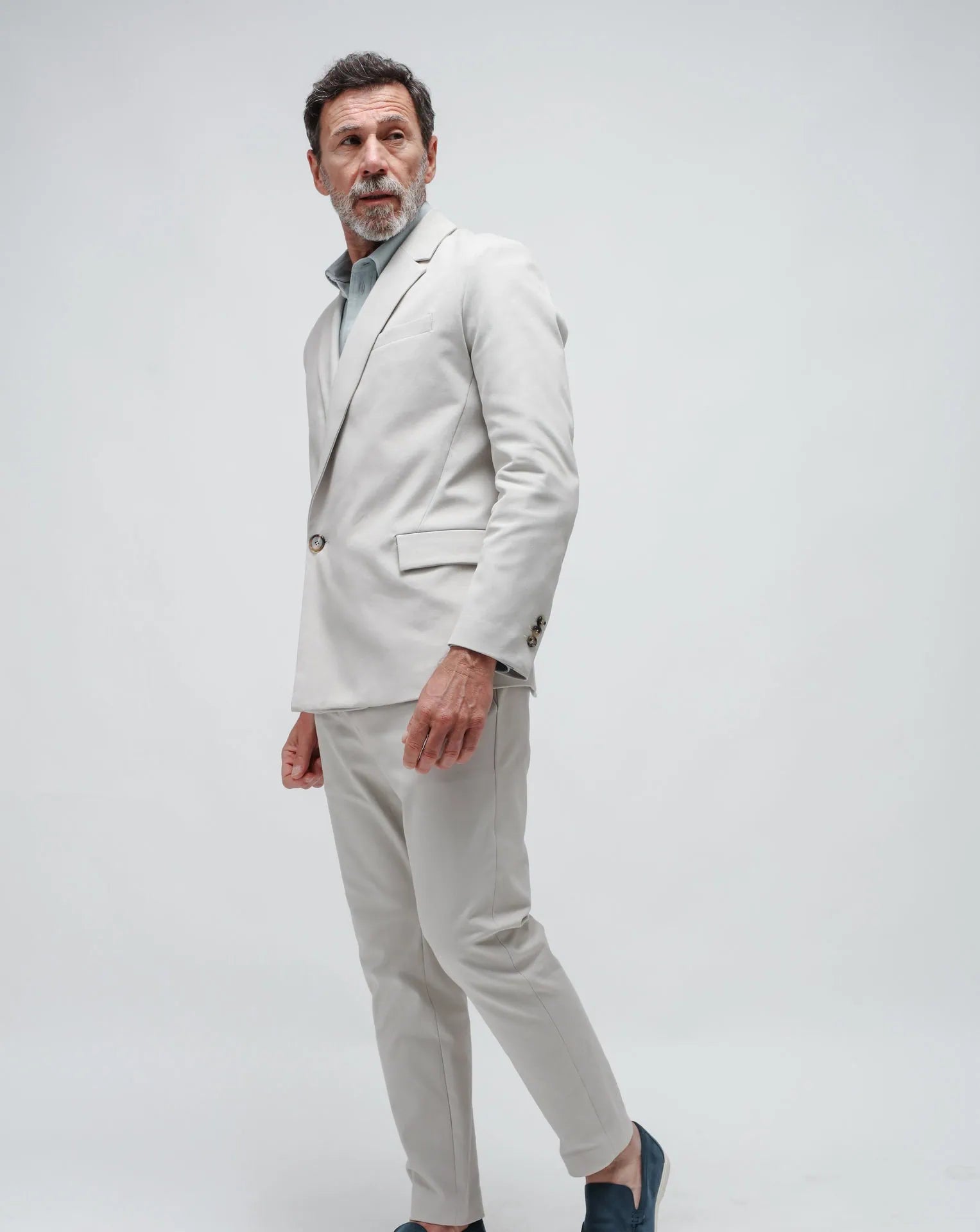
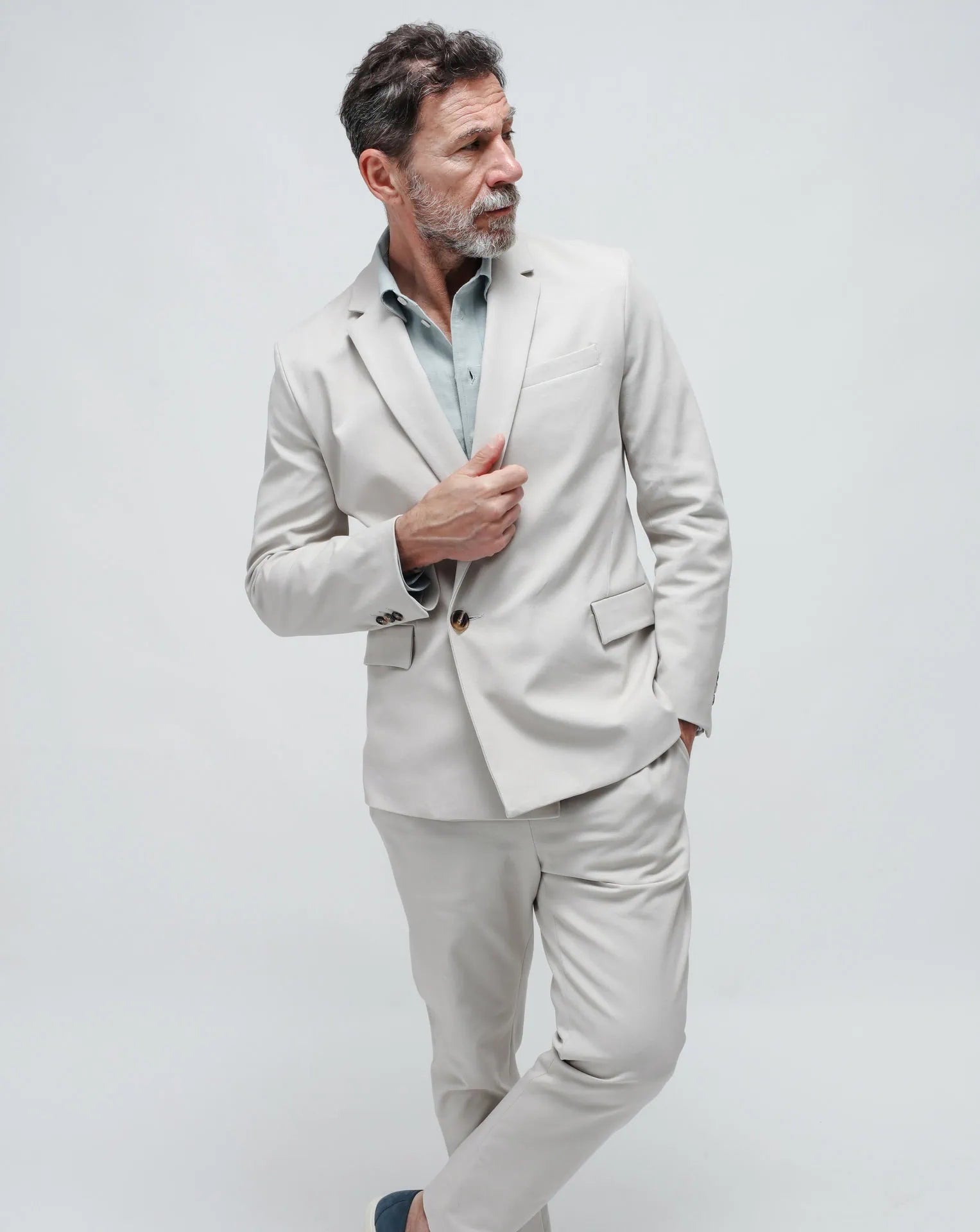
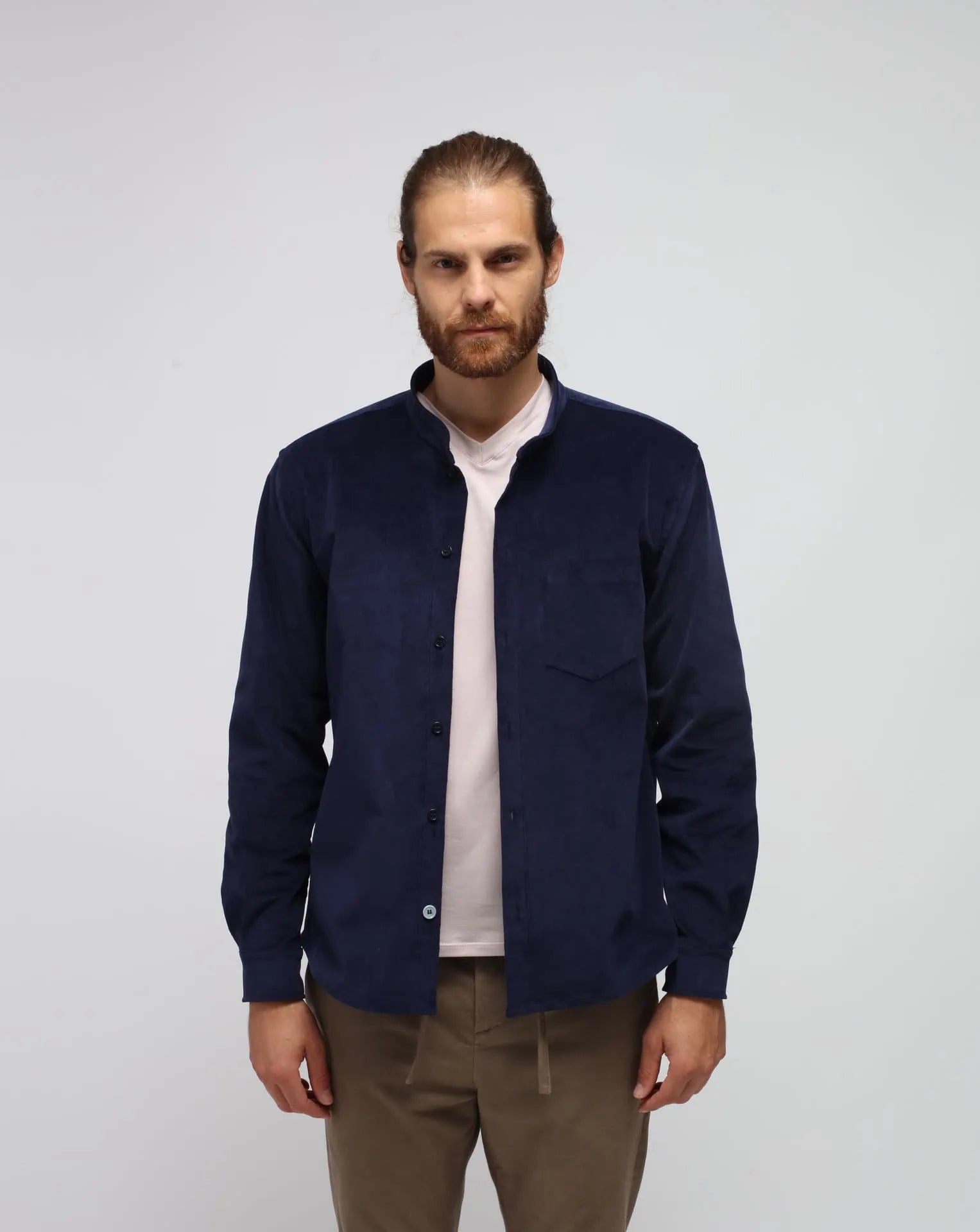
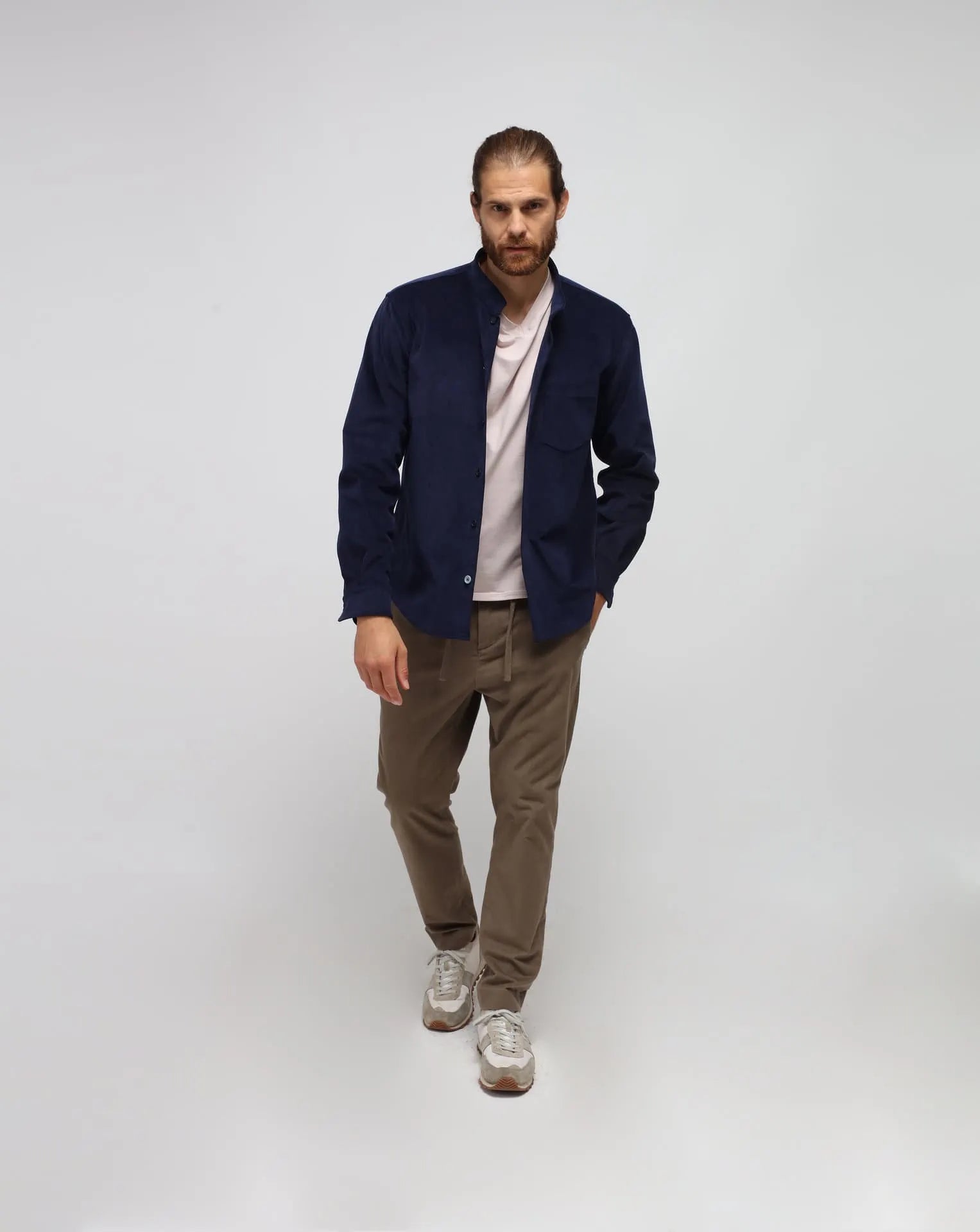
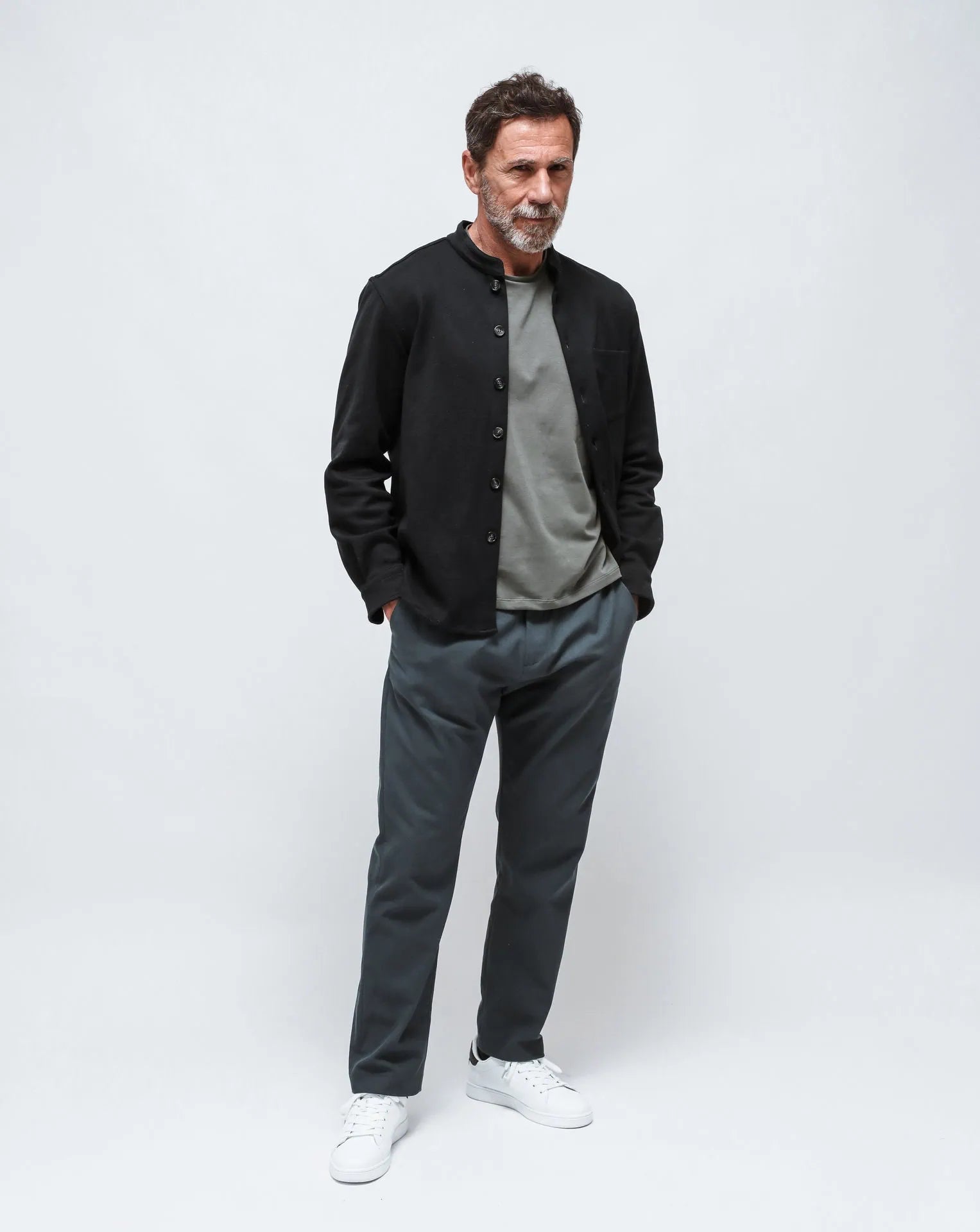
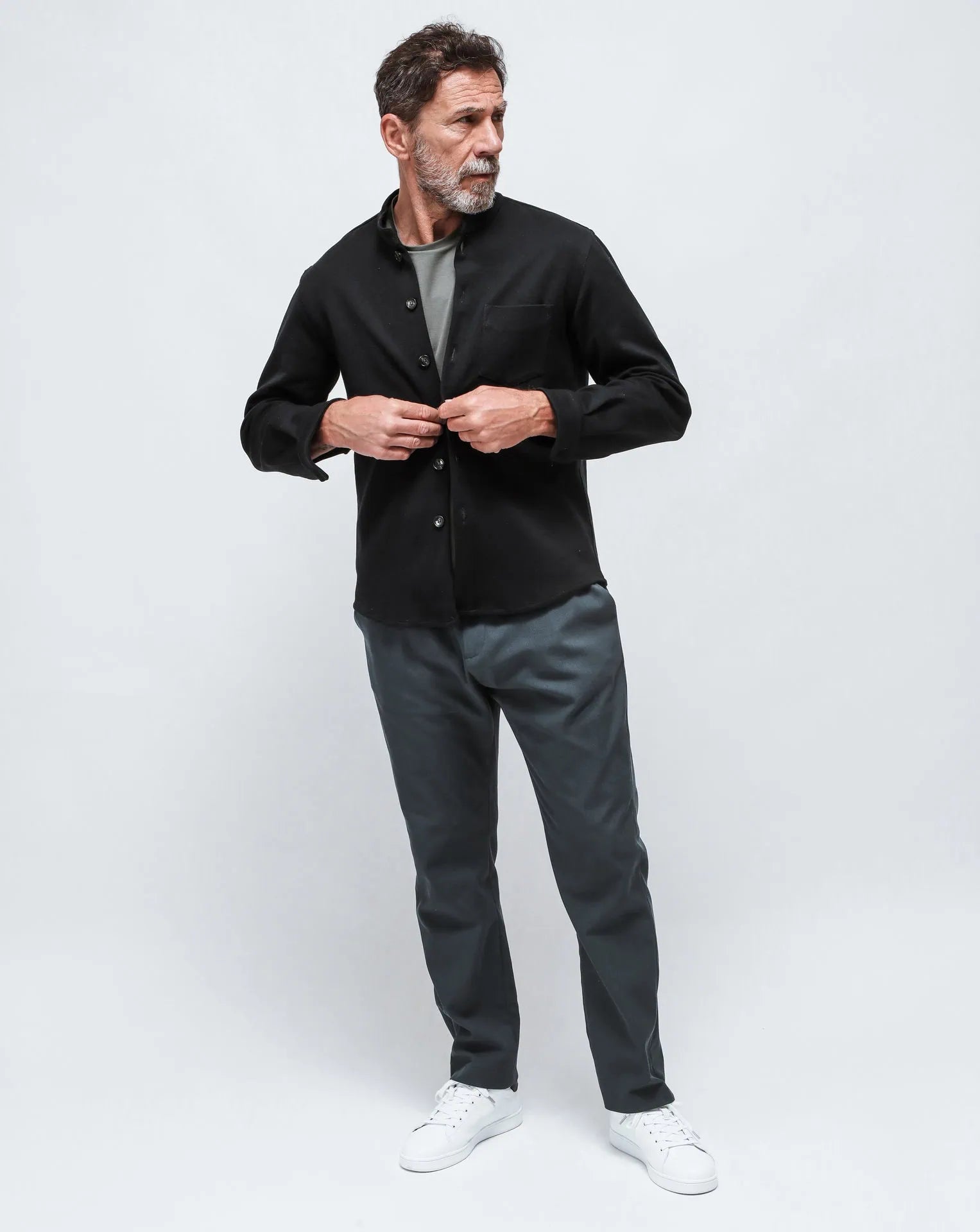
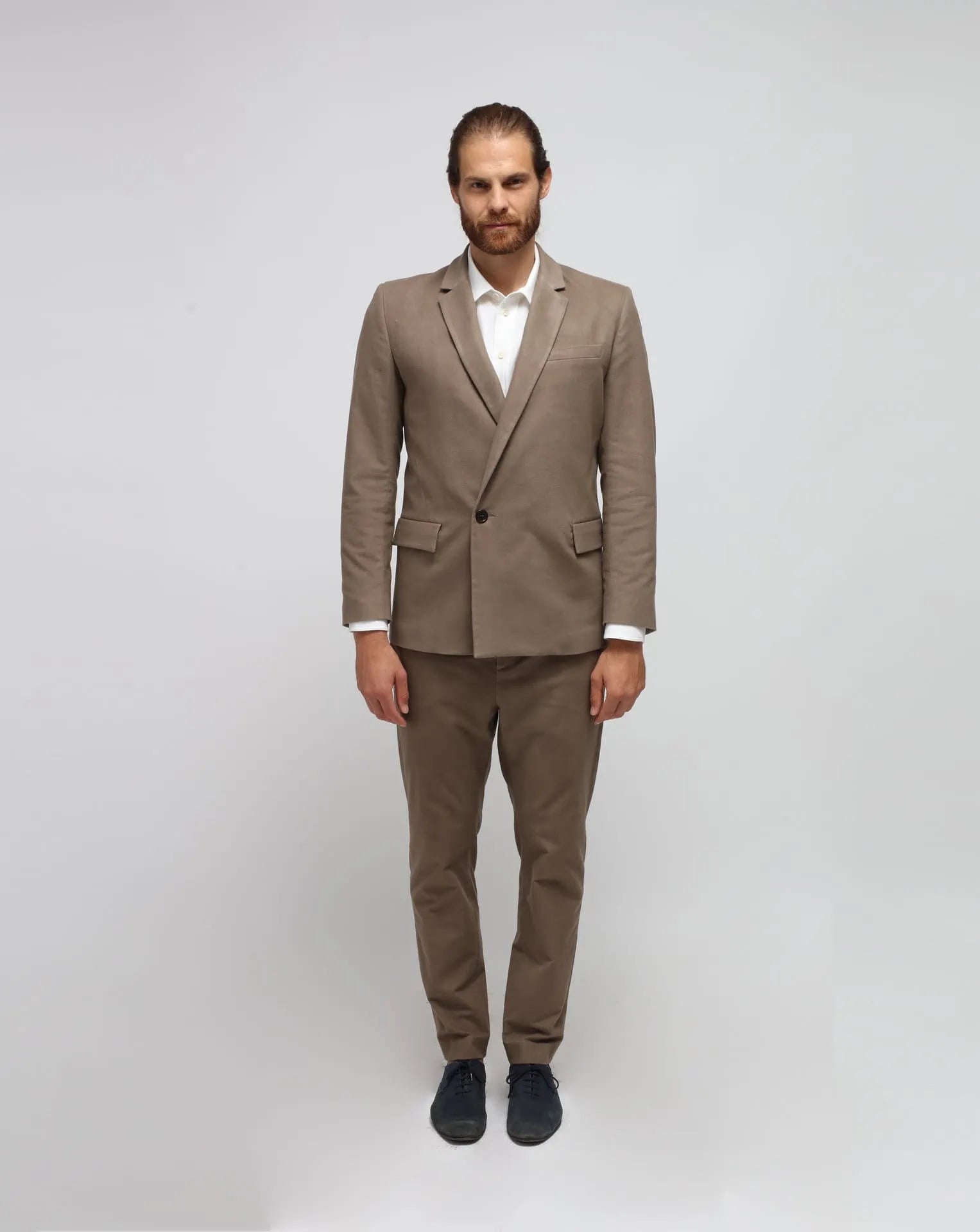
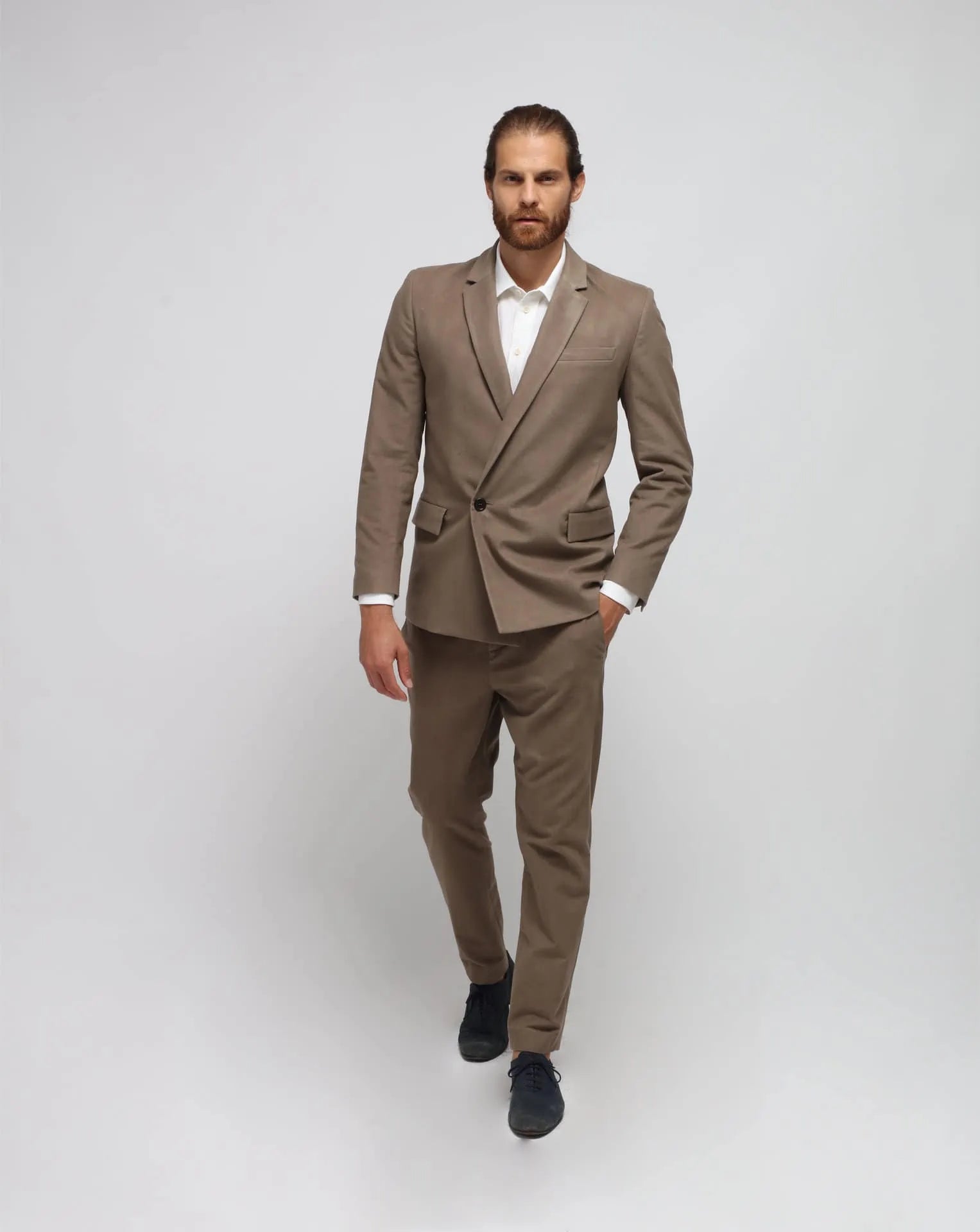
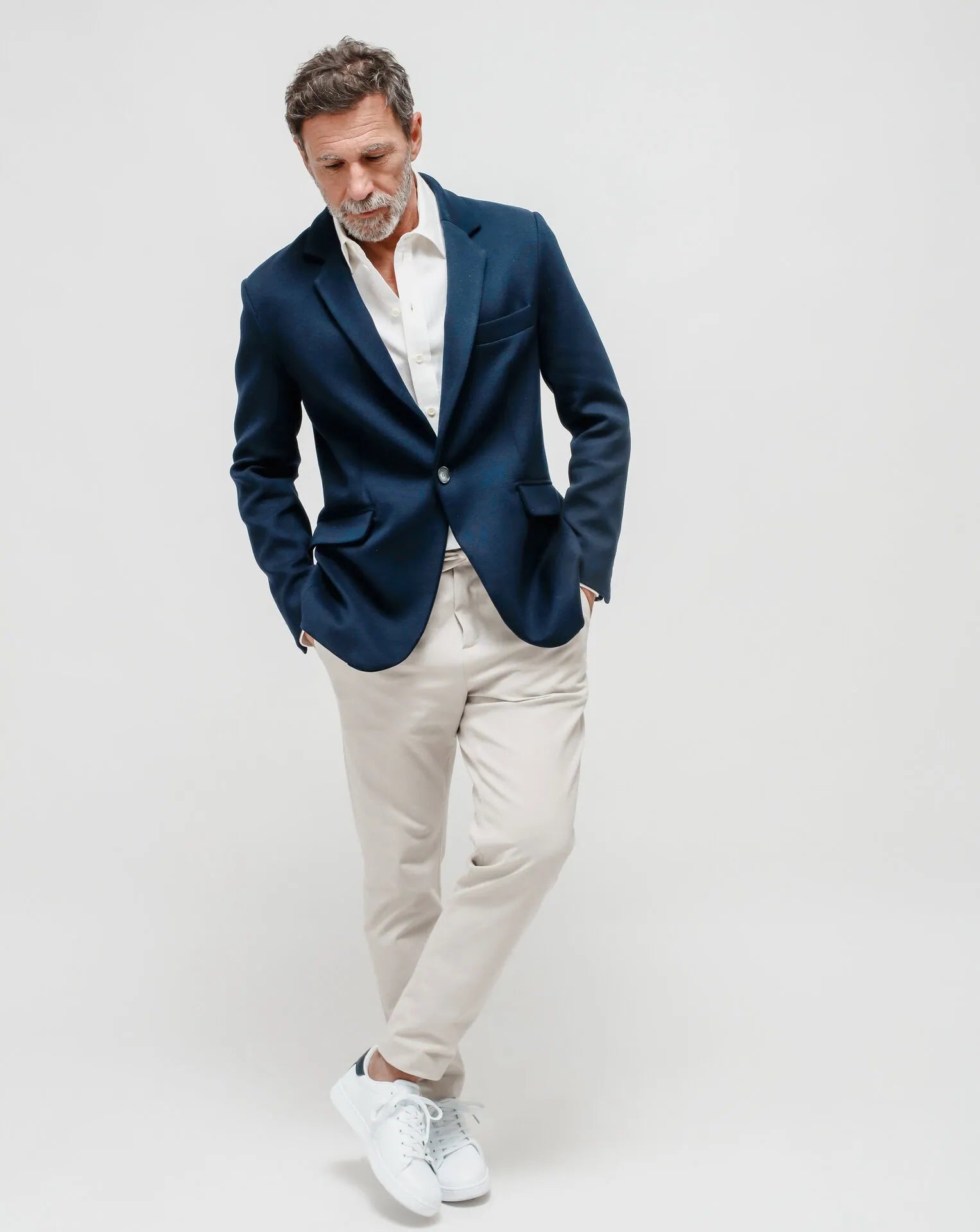
For men, elevated essentials usually hinge on shirts, trousers, overshirts, shorts, jackets, and suits that feel clean rather than rigid. The difference is in proportion and finish. A shirt should skim, not cling. Trousers should hold shape without feeling stiff. An overshirt should add structure without bulk. Strong examples for high-intent product storytelling include a men’s tailored overshirt, deadstock trousers, or a sustainable travel-ready shirt designed for repeated wear.
What matters for both women and men is cohesion. Essentials are not isolated heroes. They should speak to each other across categories so getting dressed feels intentional, not improvised.
Why small-batch matters more than people think
Scarcity in fashion can be used as a sales tactic. It can also be an ethical decision. Small-batch production limits excess inventory, reduces waste, and creates a more disciplined relationship between design and demand. That matters if you care about what your wardrobe supports behind the scenes.
There is also a style benefit. Limited-edition apparel carries a different kind of value. You are less likely to see the same piece everywhere, and that sense of rarity fits the idea of elevated essentials better than endless restocks of mediocre basics.
This model does require flexibility. If you wait too long, your size may sell out. But that trade-off is part of a healthier system. It asks shoppers to buy with intention rather than reflex.
Price, quality, and the ethics of buying less
A premium essential should be able to defend its price. Not with inflated branding, but with evidence. Better fabric sourcing, handmade production, fairer labor conditions, lower volumes, carbon-neutral shipping, and free size exchanges all change the economics of a garment. So does a design process centered on longevity rather than weekly trend rotation.
For many customers, the shift to sustainable elevated essentials is as much about mindset as product. You stop asking how many pieces you can get for a budget and start asking which pieces will carry the most value over time. That is not about deprivation. It is about refinement.
One thoughtful coat can do more than three forgettable ones. One exceptional pair of trousers can outperform a stack of average alternatives. When a wardrobe gets sharper and simpler at the same time, buying less starts to feel like a gain.
Building a wardrobe around sustainable elevated essentials
The smartest approach is to begin where wear is highest. Prioritize the categories you rely on weekly: shirts, pants, dresses, jackets, and versatile sets. If your calendar moves between work, travel, and social plans, choose pieces that can transition with minimal effort.
A useful test is the three-setting rule. Before buying, ask whether the garment works in at least three realistic contexts in your life. That might mean office, weekend, and dinner out. Or travel day, client meeting, and evening event. If it only works in one narrow scenario, it may still be worth buying, but it is not an essential.
Care matters too. Even the best garment fails early if it is treated carelessly. Sustainable fashion is not just about how clothing is made. It is also about how long it is kept in use. Proper washing, steaming, storing, and repairing are part of the equation.
For readers ready to shop with more precision, this is where an edited wardrobe becomes useful - women’s essentials for work and travel, men’s elevated separates for everyday wear, and seasonless outerwear that grounds both. A brand like Humans & Land positions this well because the offer is not just clothing. It is a cleaner system for getting dressed.
The best wardrobes do not shout. They signal discernment through cut, fabric, and consistency. Sustainable elevated essentials ask more of fashion, and that is exactly the point. They are proof that style can be sharper, fewer, and far more responsible at once.
FAQ
Q: What makes a piece an elevated essential instead of a basic?
A: An elevated essential combines everyday versatility with stronger design, better fabric, and more refined construction. It feels intentional, not generic.
Q: Are sustainable elevated essentials worth the higher price?
A: Often, yes - if the garment delivers on material quality, longevity, and ethical production. The value is in repeated wear and reduced replacement, not just the initial look.
Q: Do sustainable elevated essentials work for both women and men?
A: Absolutely. For women, this may look like dresses, tailored pants, and polished jackets. For men, it often means shirts, trousers, overshirts, and structured outerwear.
Q: Why are deadstock fabrics important?
A: Deadstock fabrics use existing surplus textiles that might otherwise go to waste. They can reduce excess production while offering premium quality and distinct character.
Q: How do I start building a wardrobe around sustainable elevated essentials?
A: Start with the pieces you wear most - shirts, pants, dresses, jackets, or sets - and choose items that work across multiple parts of your week with minimal styling effort.