
Articolo: Amsterdam Fashion Guide for a Smarter Winter Wardrobe
Amsterdam Fashion Guide for a Smarter Winter Wardrobe
Amsterdam is a city where a bicycle commute, a gallery opening, and dinner by the canal can happen in the same clothes. This Amsterdam fashion guide takes that reality seriously. Its style is not built on excess or one-night trends. It is grounded in sharp proportions, useful layers, considered texture, and pieces made to hold their place in a wardrobe.
For winter, that approach feels especially relevant. The Dutch climate asks for warmth, rain-readiness, and flexibility, while the city’s creative energy leaves little room for shapeless practicality. The goal is a wardrobe that looks intentional at 8 a.m. and still feels right after dark.
What Defines Amsterdam Style?
Amsterdam style is often described as minimal, but minimal does not mean plain. The strongest looks have tension: a tailored coat over relaxed trousers, a crisp shirt with a softer knit, or a dark base lifted by an unexpected fabric texture. Color is usually restrained, yet never lifeless. Think black, charcoal, tobacco, deep navy, cream, forest green, and the occasional saturated accent.
The emphasis is on personal uniform dressing. Instead of buying a new identity for every invitation, style-conscious locals return to excellent silhouettes and make them their own through proportion, fabric, and repeat wear. That makes this a useful reference point for anyone building a more responsible wardrobe.
There is also a practical reason Amsterdam’s fashion sensibility travels well. The best pieces work across weather, work, travel, and social plans. They are polished without becoming precious. A garment that needs a special occasion to justify itself is rarely the foundation of a modern winter wardrobe.
The Amsterdam Fashion Guide to Winter Layers
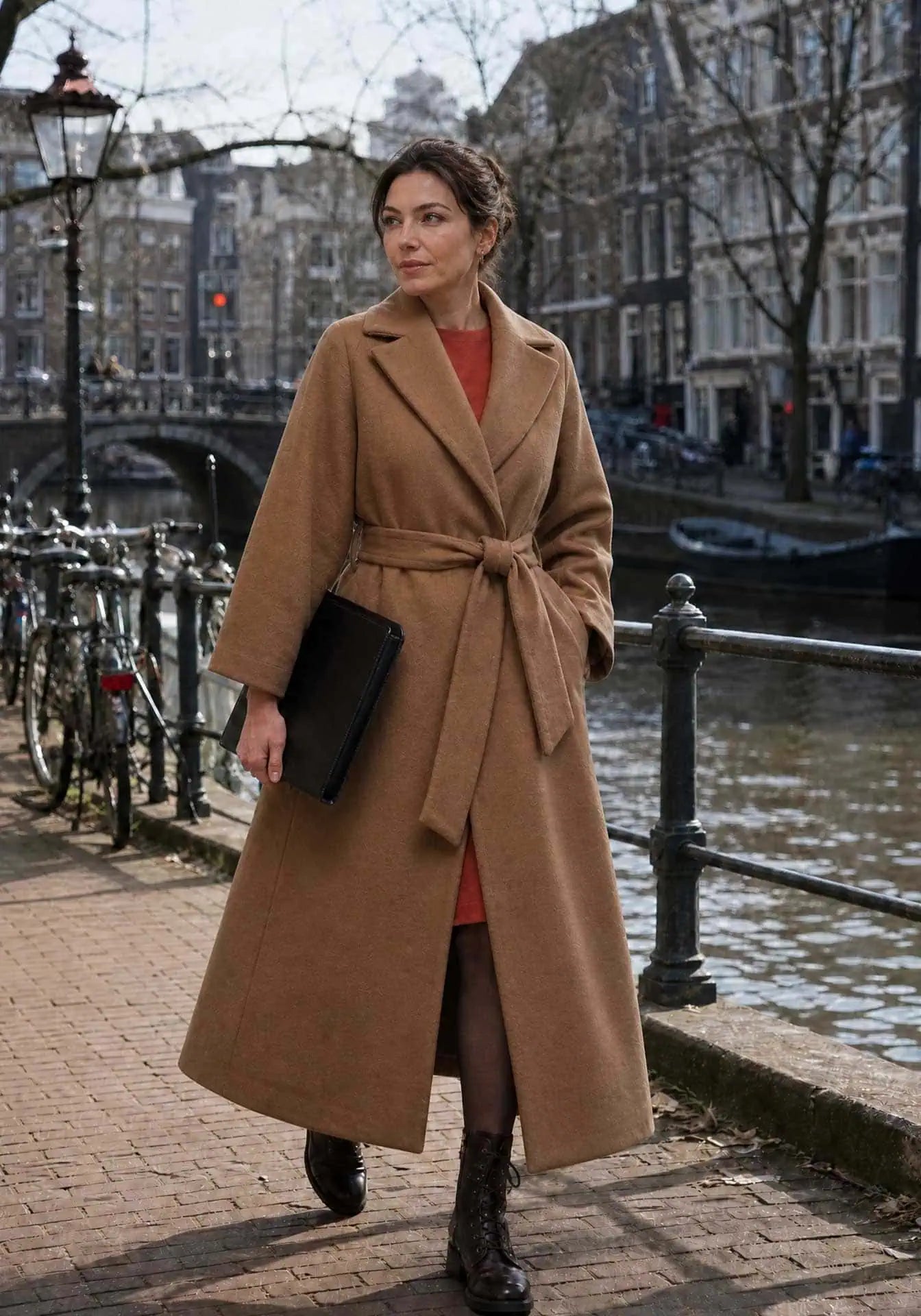
A strong winter look begins with a clear outer layer. In Amsterdam, a coat is not an afterthought. It is the piece seen most often, and it should carry the look without requiring much beneath it. Choose a wool coat with enough room for a knit or blazer, rather than a narrow silhouette that only works for a few weeks each year.
For a women’s wardrobe, a long tailored coat in black, espresso, or warm gray brings structure to dresses, skirts, and wide-leg pants. It also makes a simple knit and denim feel deliberate. For men, a refined wool overcoat or structured jacket can shift easily between office hours and weekend plans when worn over a heavyweight shirt or fine-gauge sweater.
The fabric matters as much as the cut. Natural fibers such as wool offer warmth and breathability, while premium deadstock fabrics give existing materials a meaningful second life. Deadstock is not a compromise. When selected with care, it can deliver the weight, hand feel, and distinctive finish that make limited-edition garments feel truly considered.
Under the coat, build in three layers: a close-to-body base, a knit or shirt layer, and an optional tailored piece. This is more useful than relying on one oversized sweater. It lets you adapt to a heated train, a windy street, or a long indoor evening without sacrificing the line of the outfit.
Women: Shape First, Then Softness
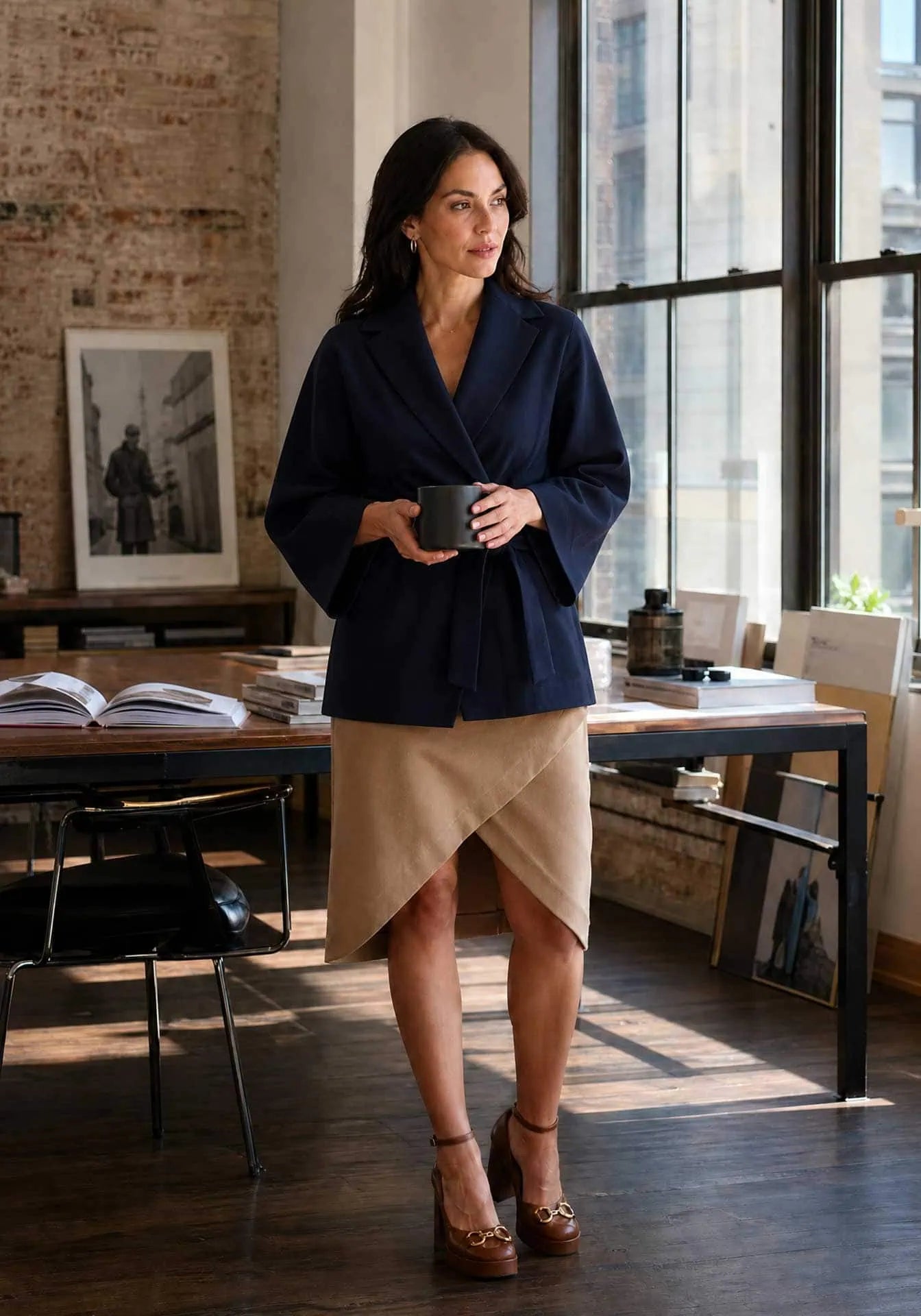
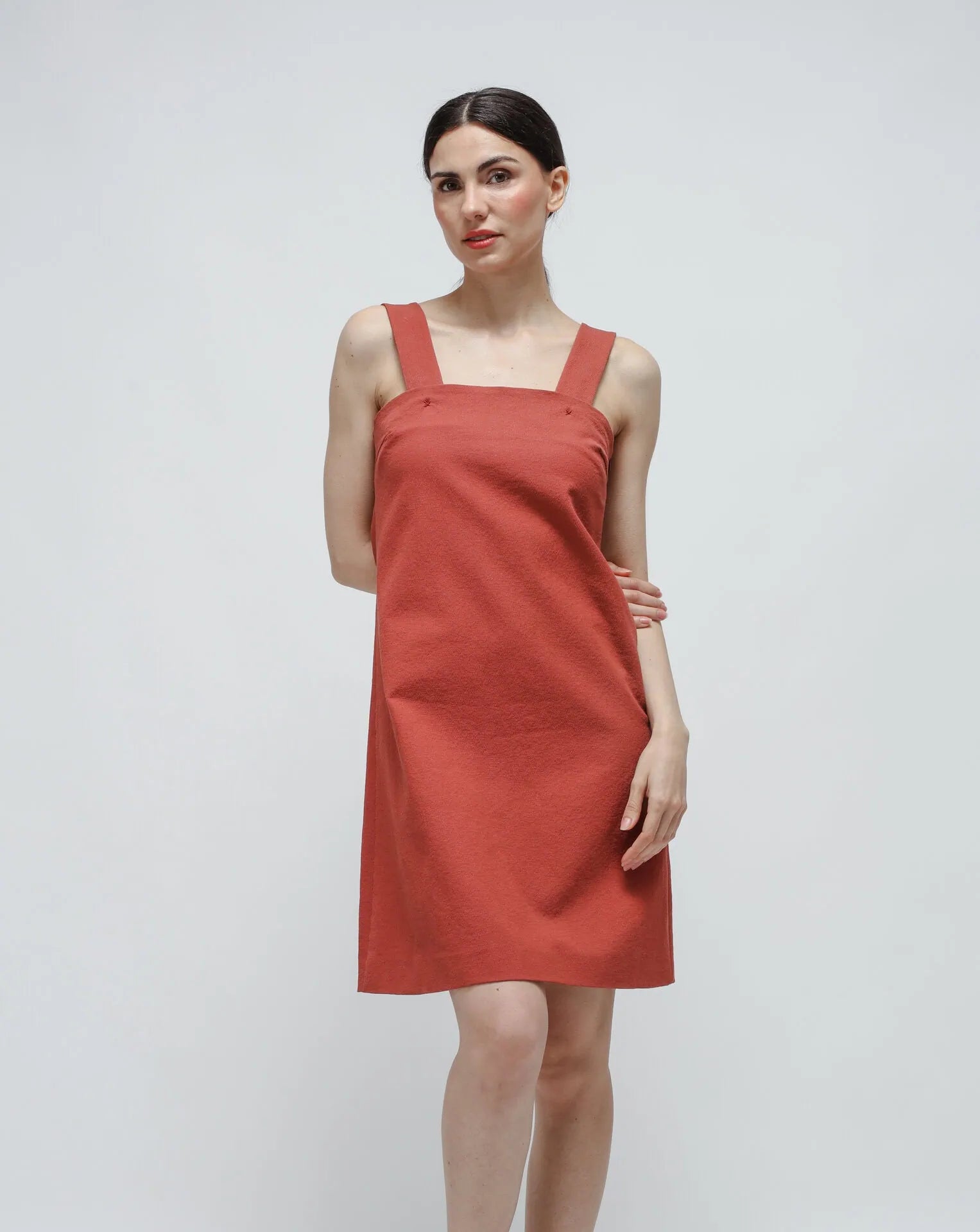
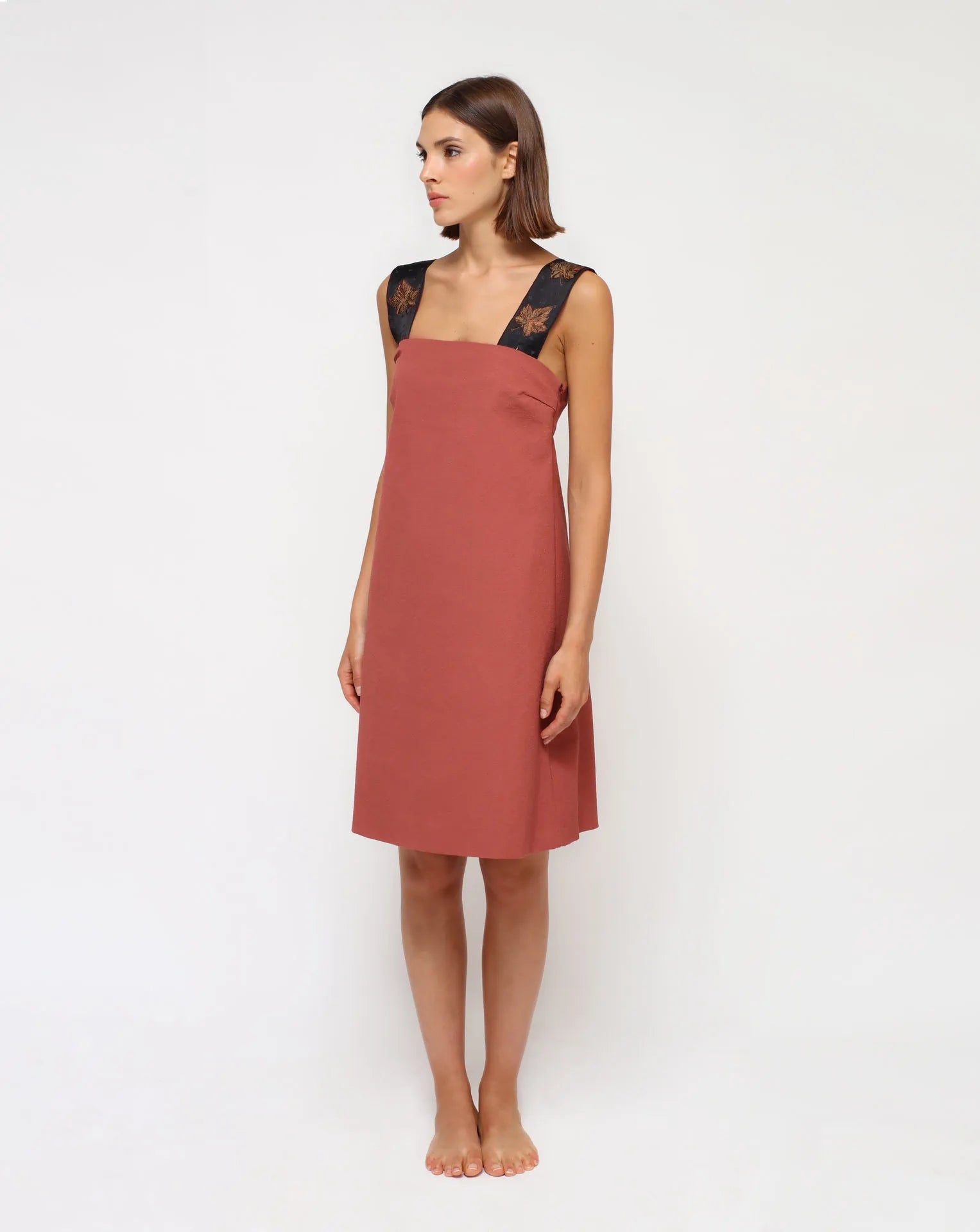
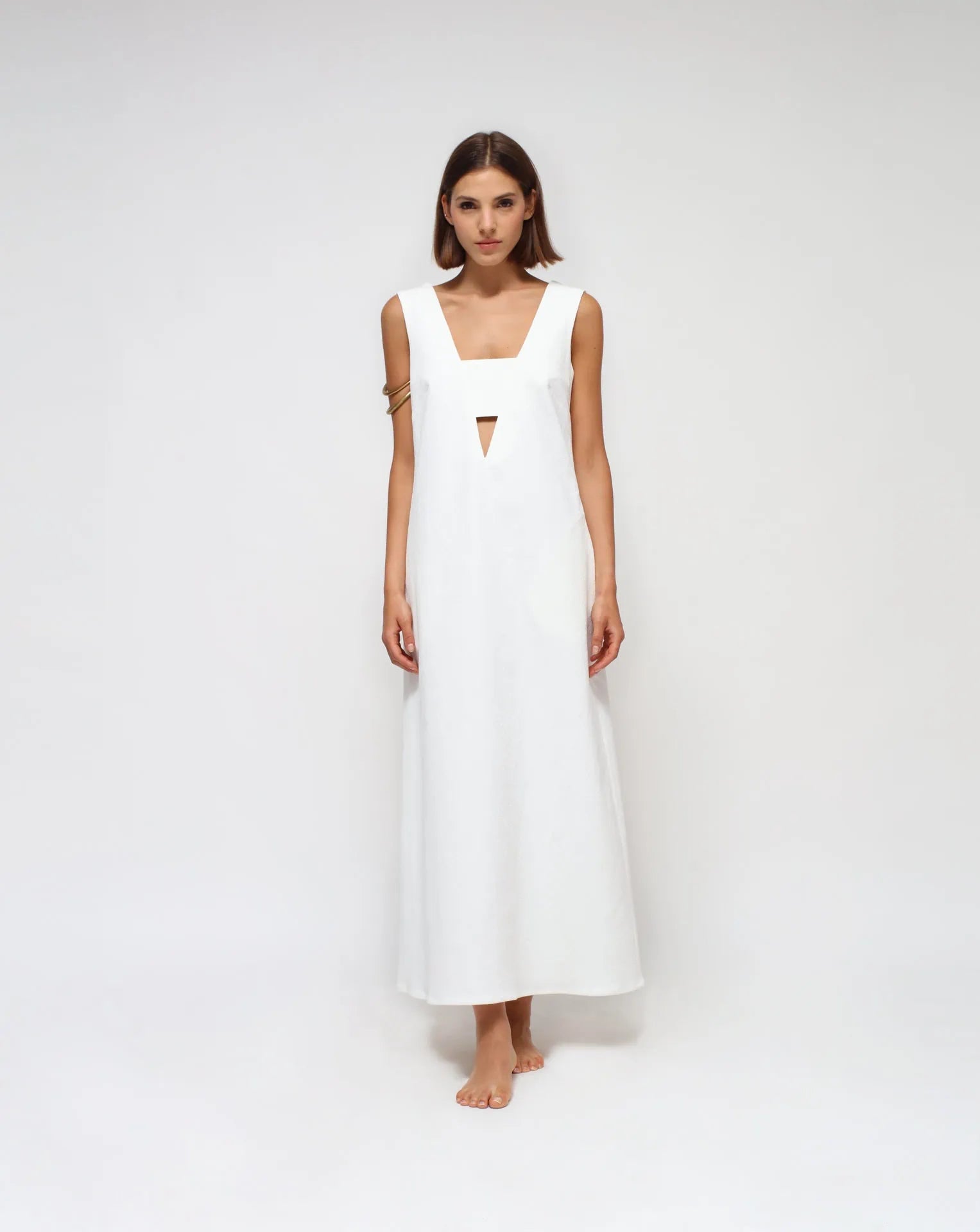
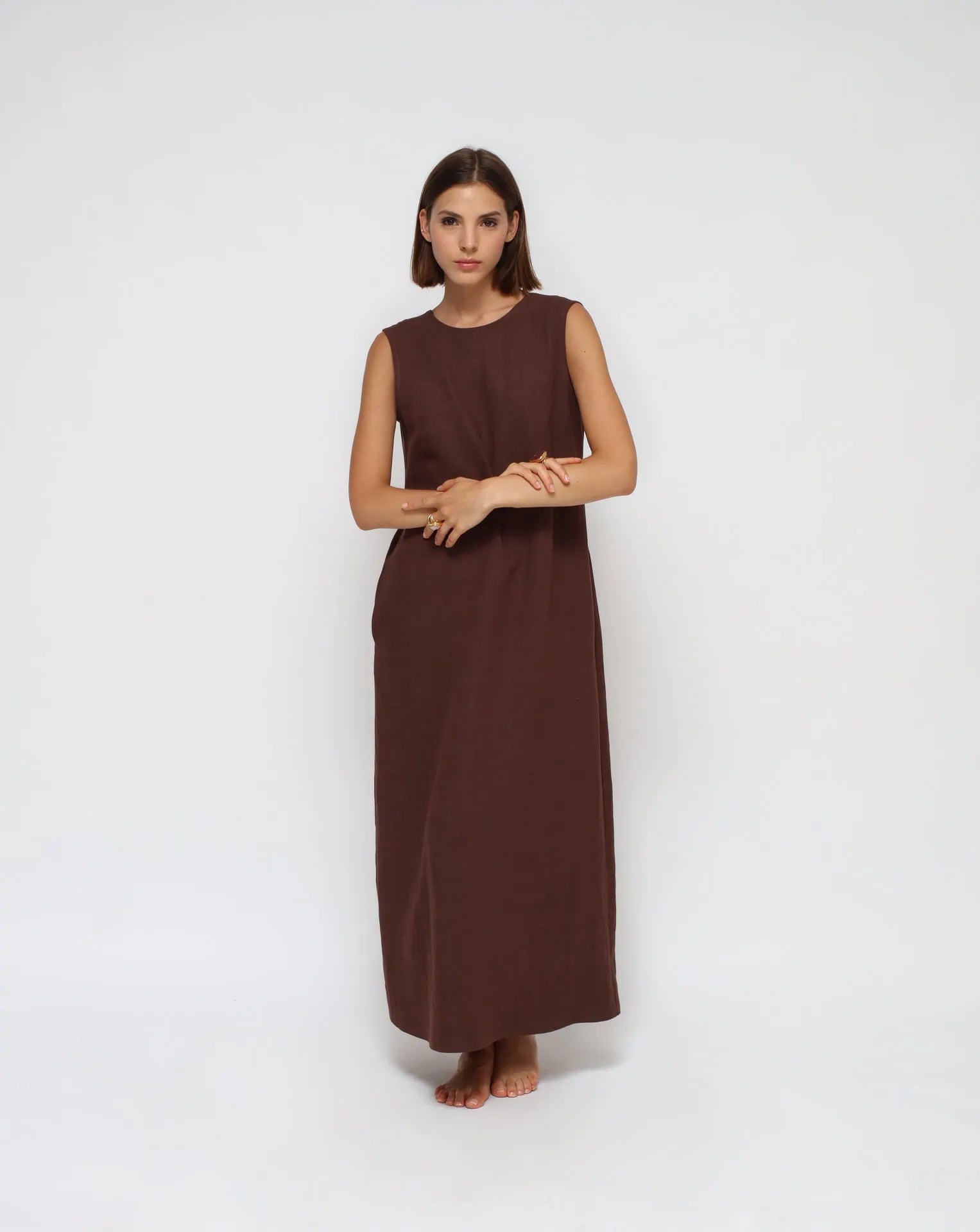
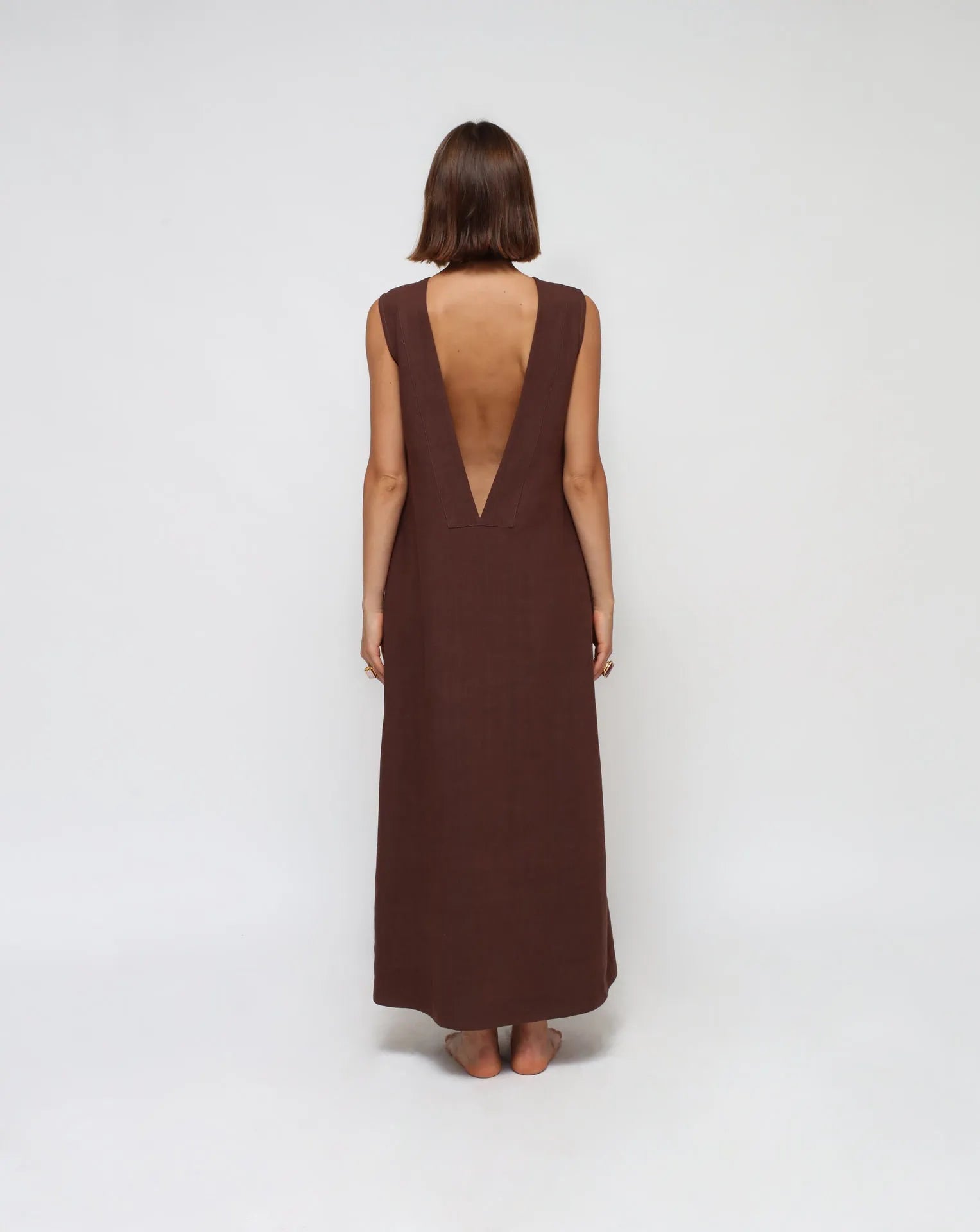
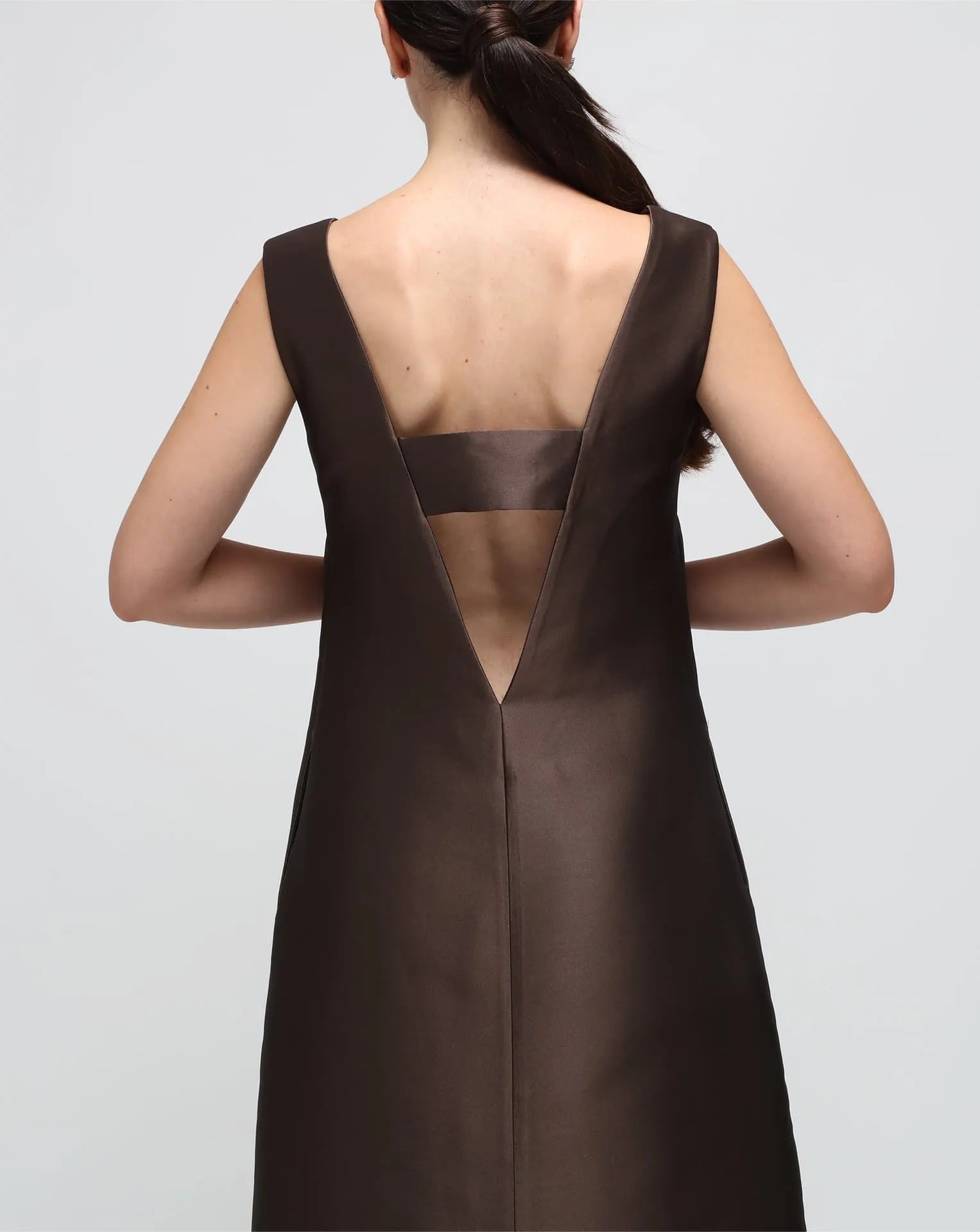
A winter dress can be one of the hardest-working pieces in a woman’s wardrobe when the fabric and shape are right. A long-sleeve midi dress works with tall boots and a coat for evening, then with a fine knit layered over it for daytime. A tailored skirt paired with a close-fitting turtleneck creates a clean silhouette without feeling overly formal.
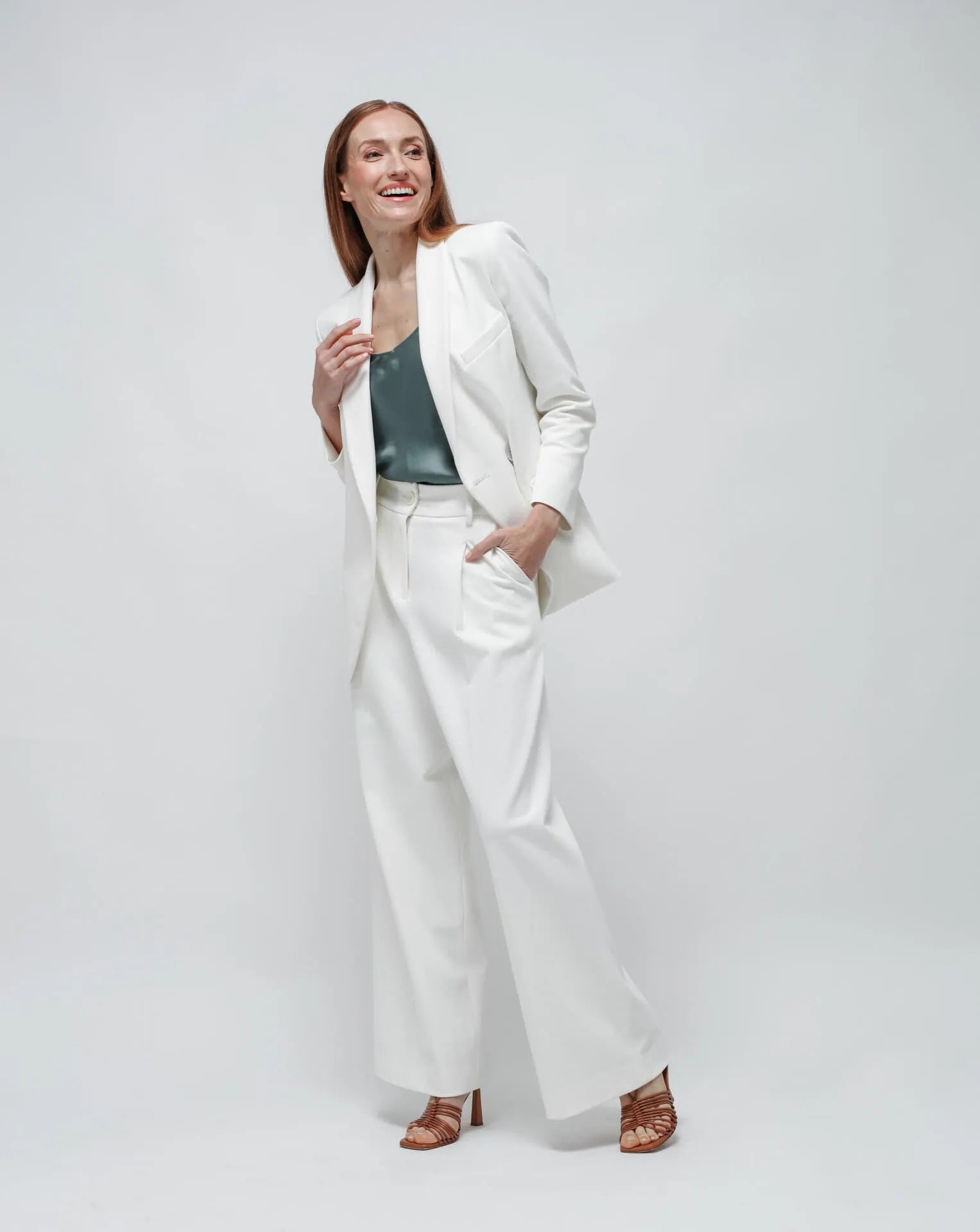
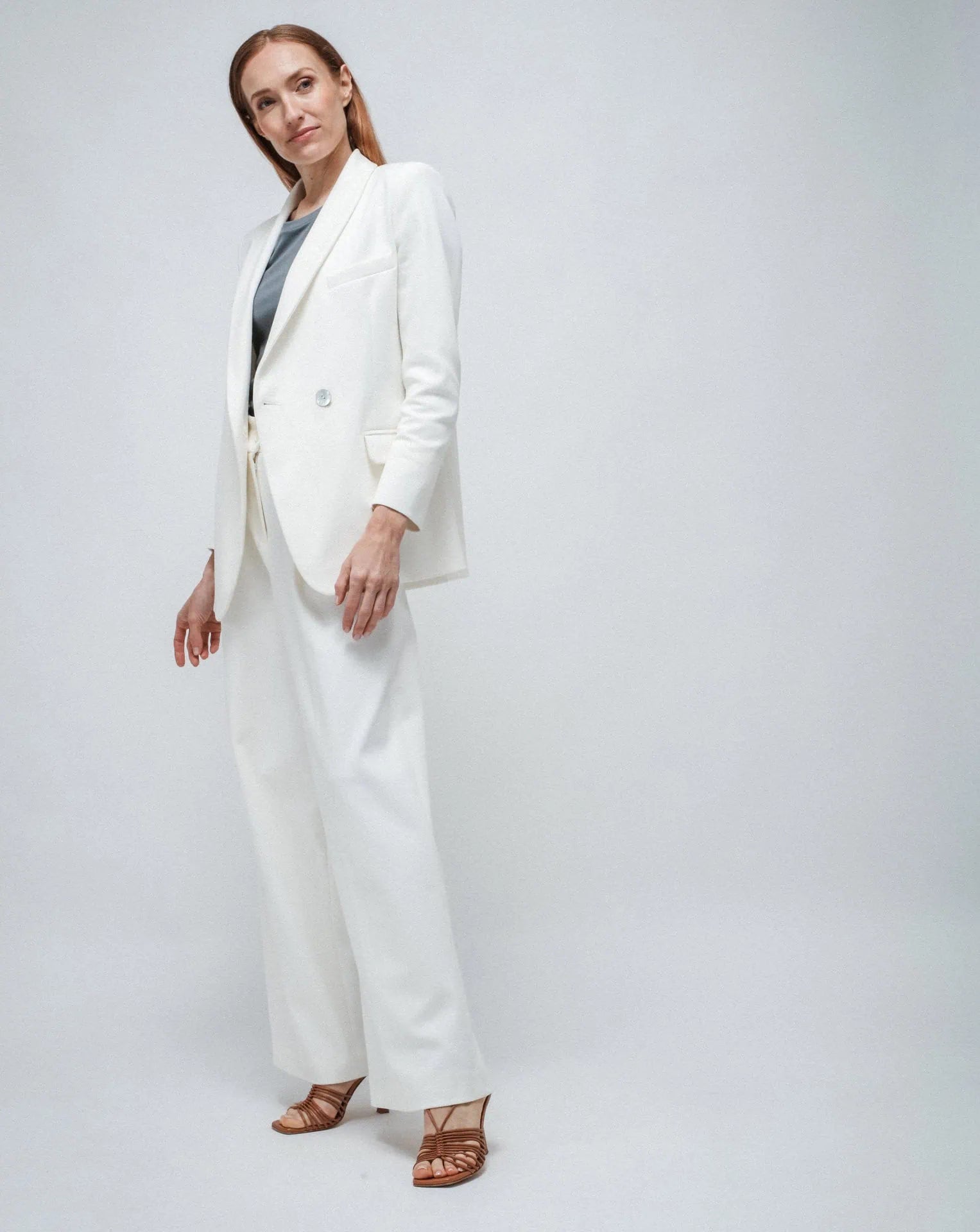
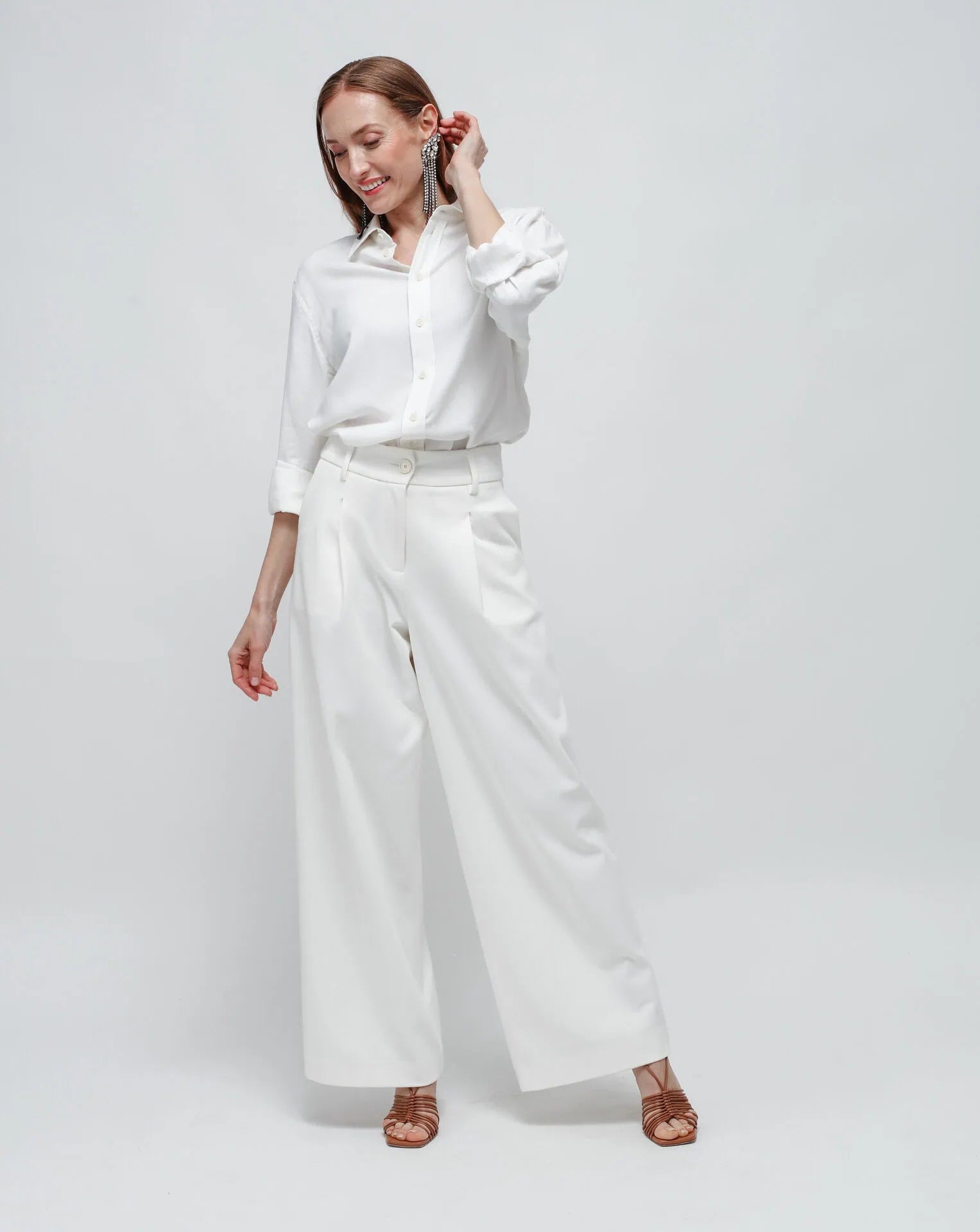
Balance is the key. If the coat is long and relaxed, choose a more defined waist, a straight skirt, or a fitted knit underneath. If the pants are wide, keep the top layer shorter or more streamlined. These small decisions prevent winter clothes from becoming visually heavy.
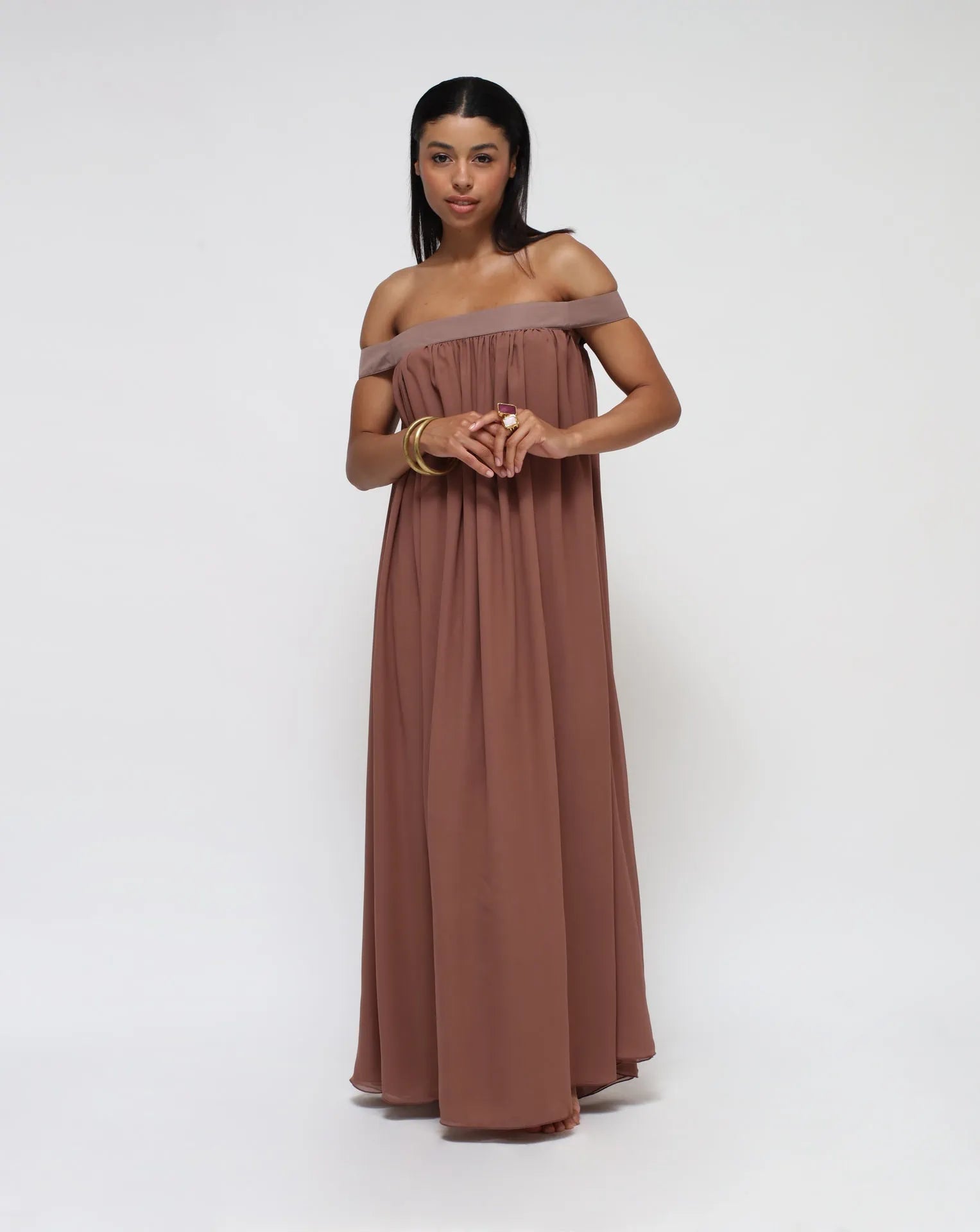
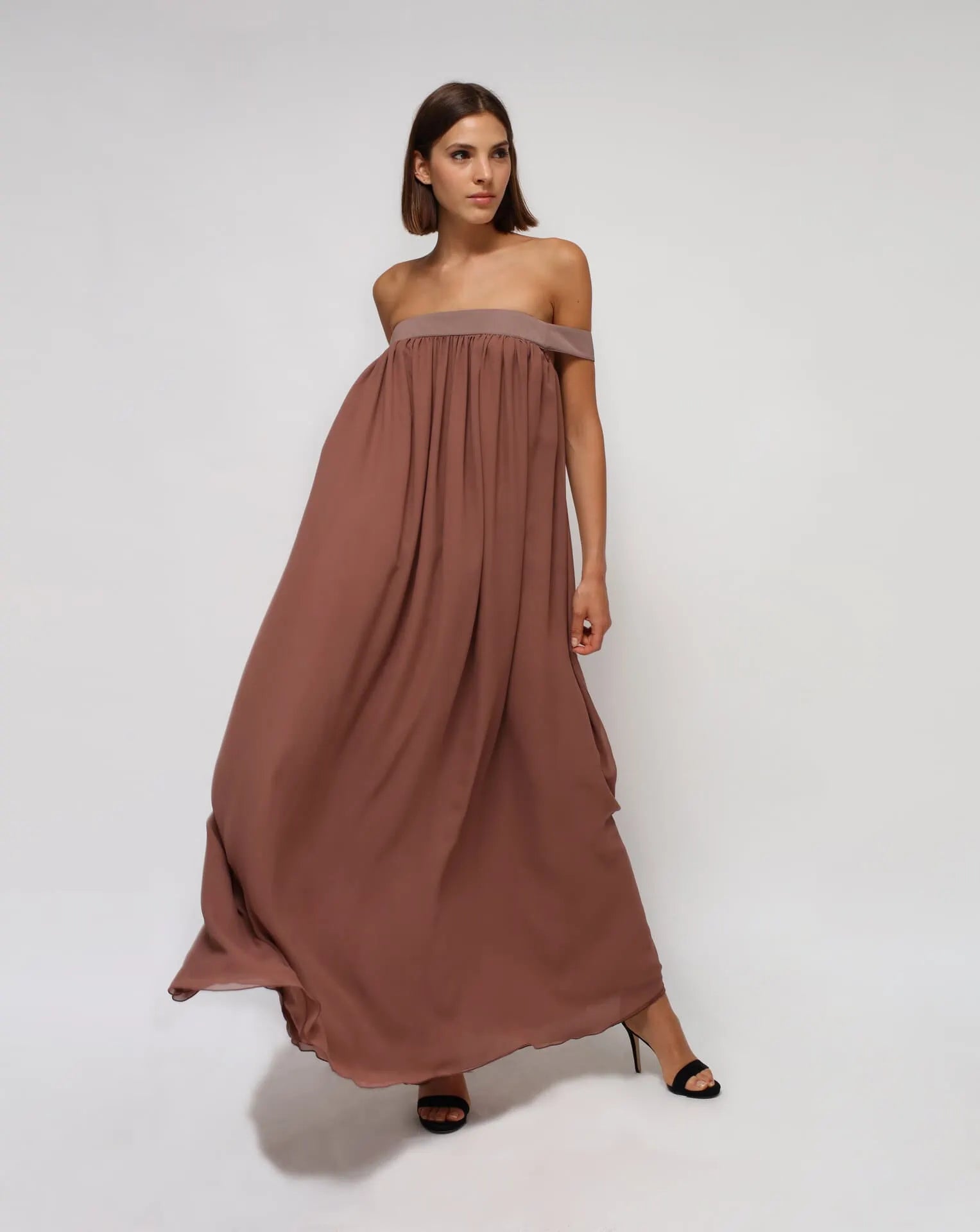
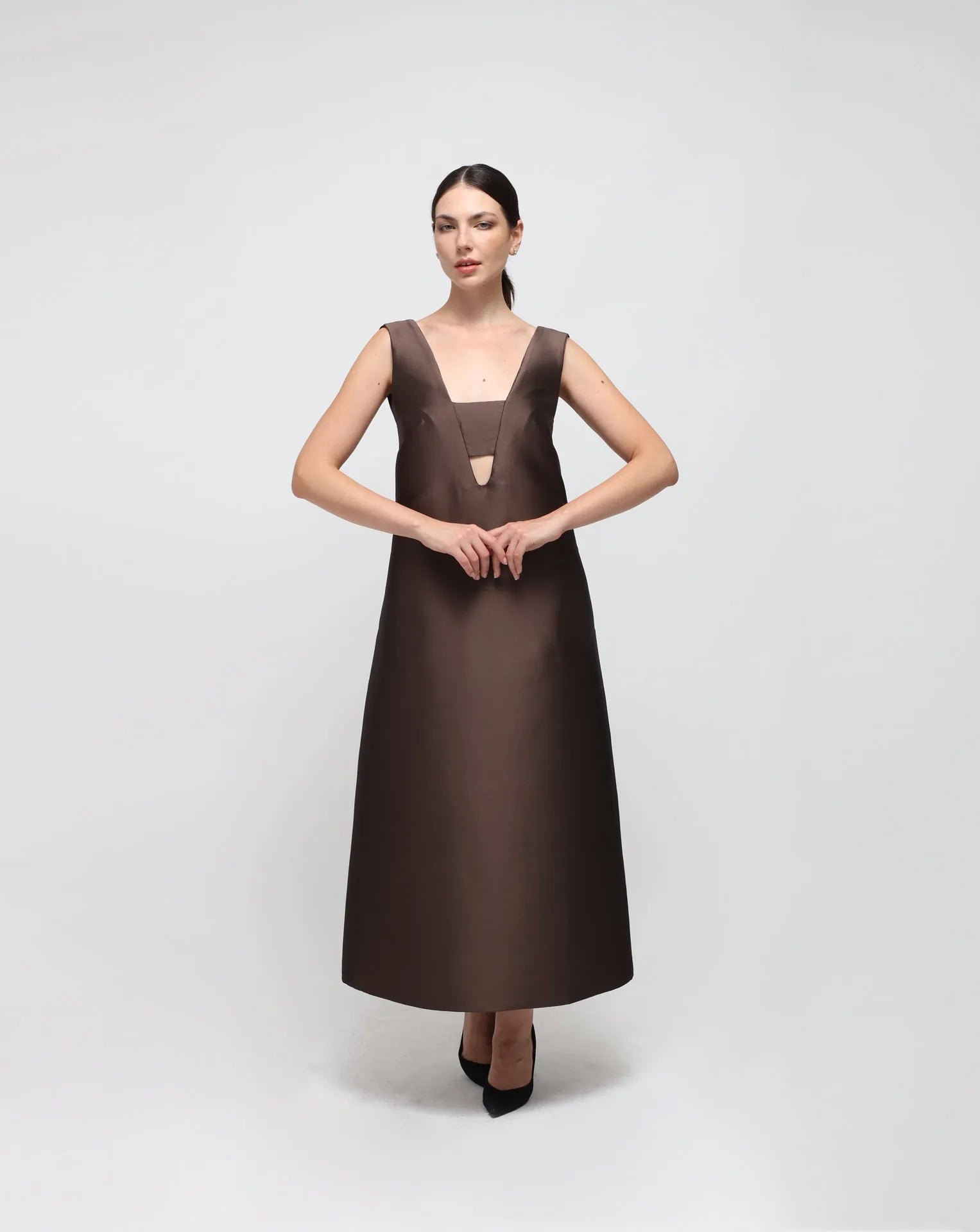
Women’s Long-Sleeve Midi Dress
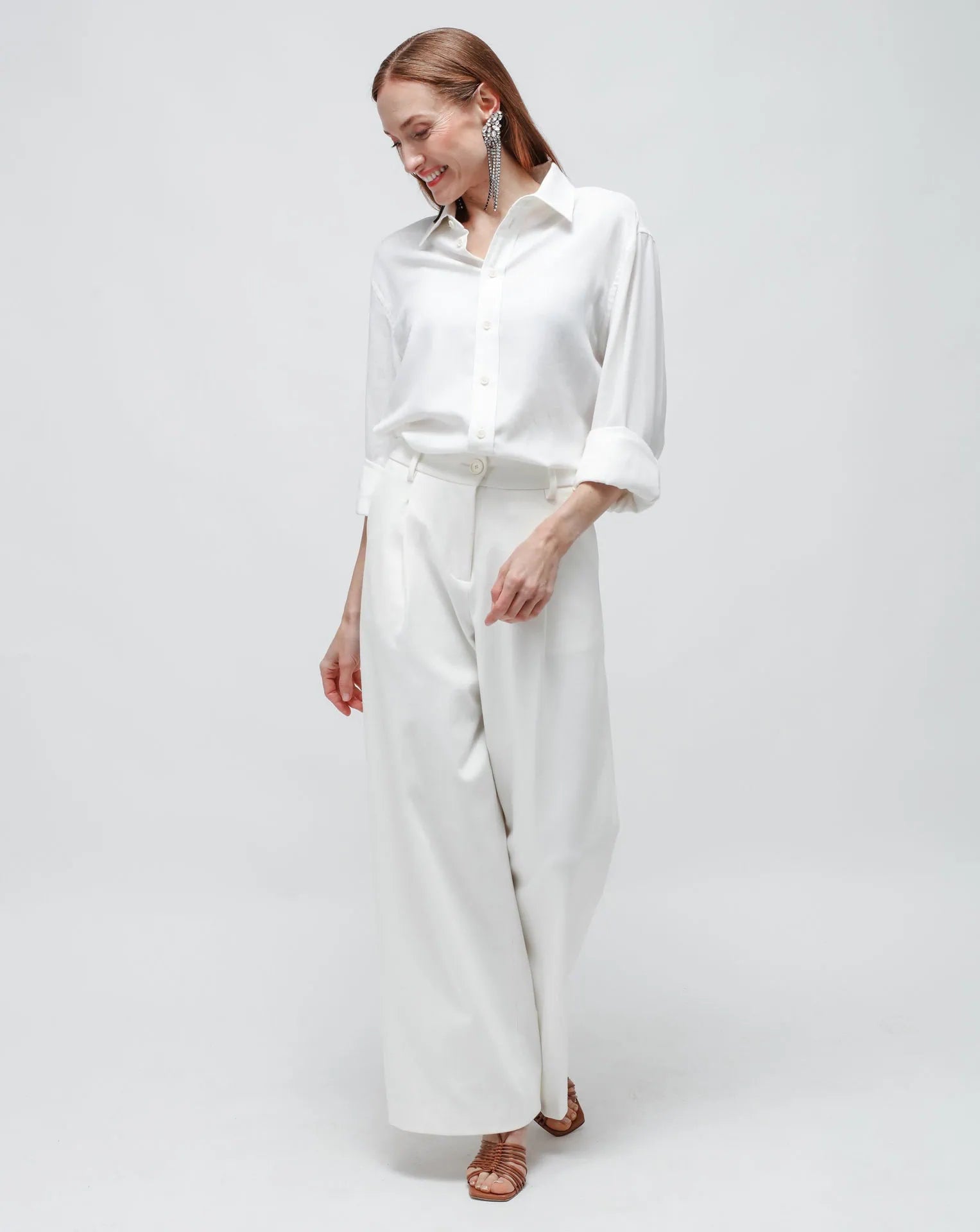
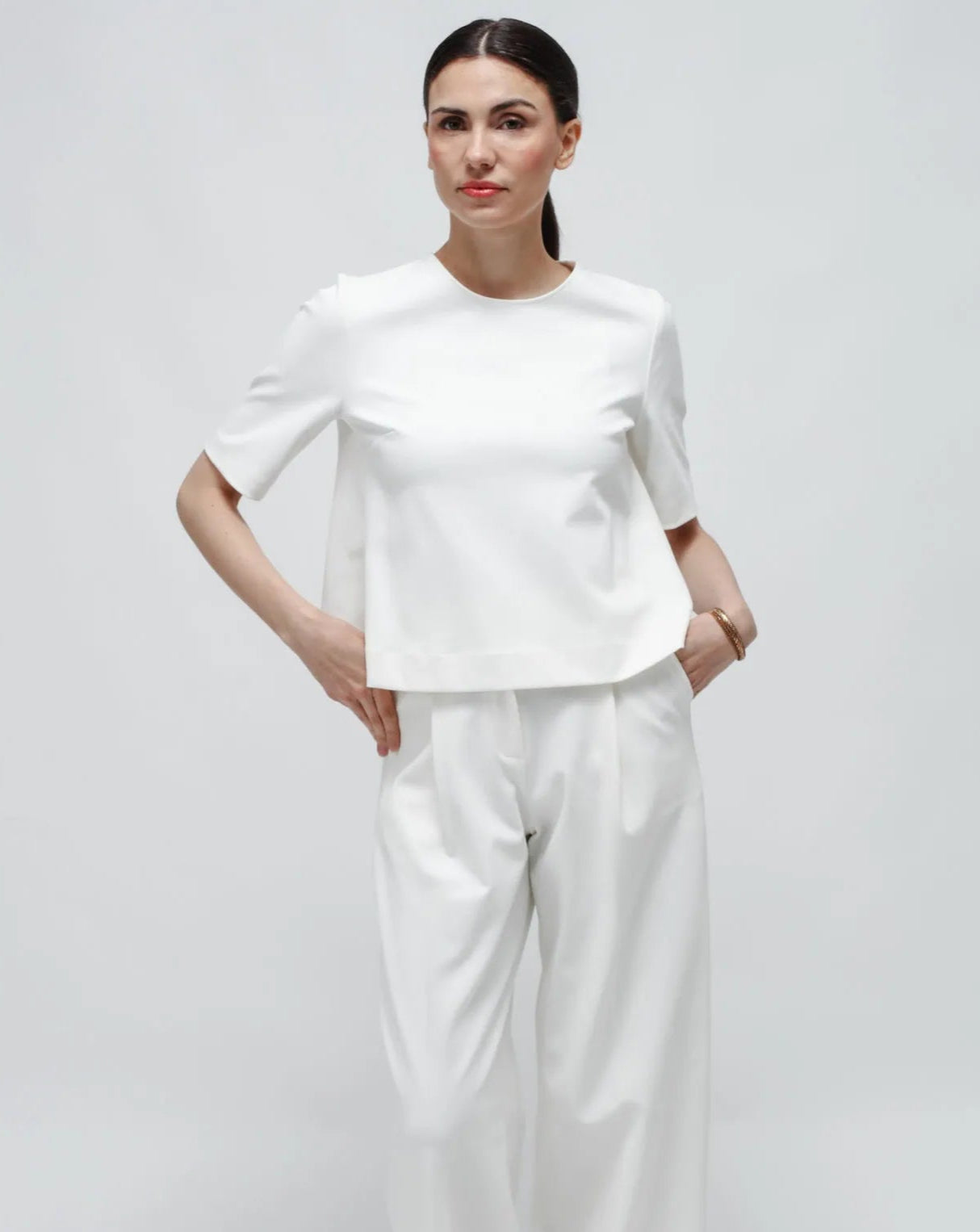
Women’s Tailored Wide-Leg Pants
A coordinated set is another intelligent option. It removes the daily work of matching while leaving room to change the mood with shoes, a coat, or a scarf. For travel and busy weeks, that kind of repeatable ease is a luxury in itself.
Men: Tailoring Without Stiffness
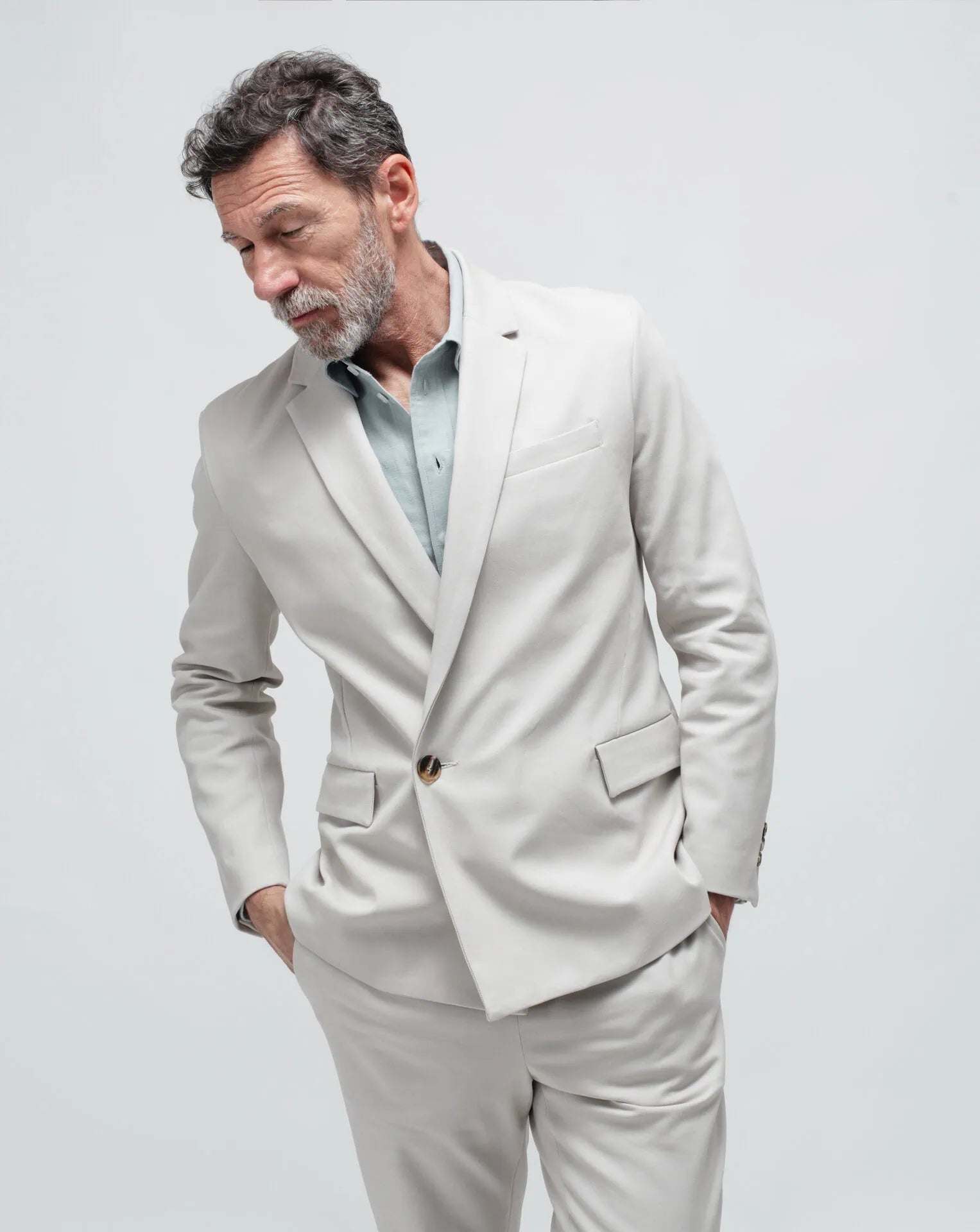
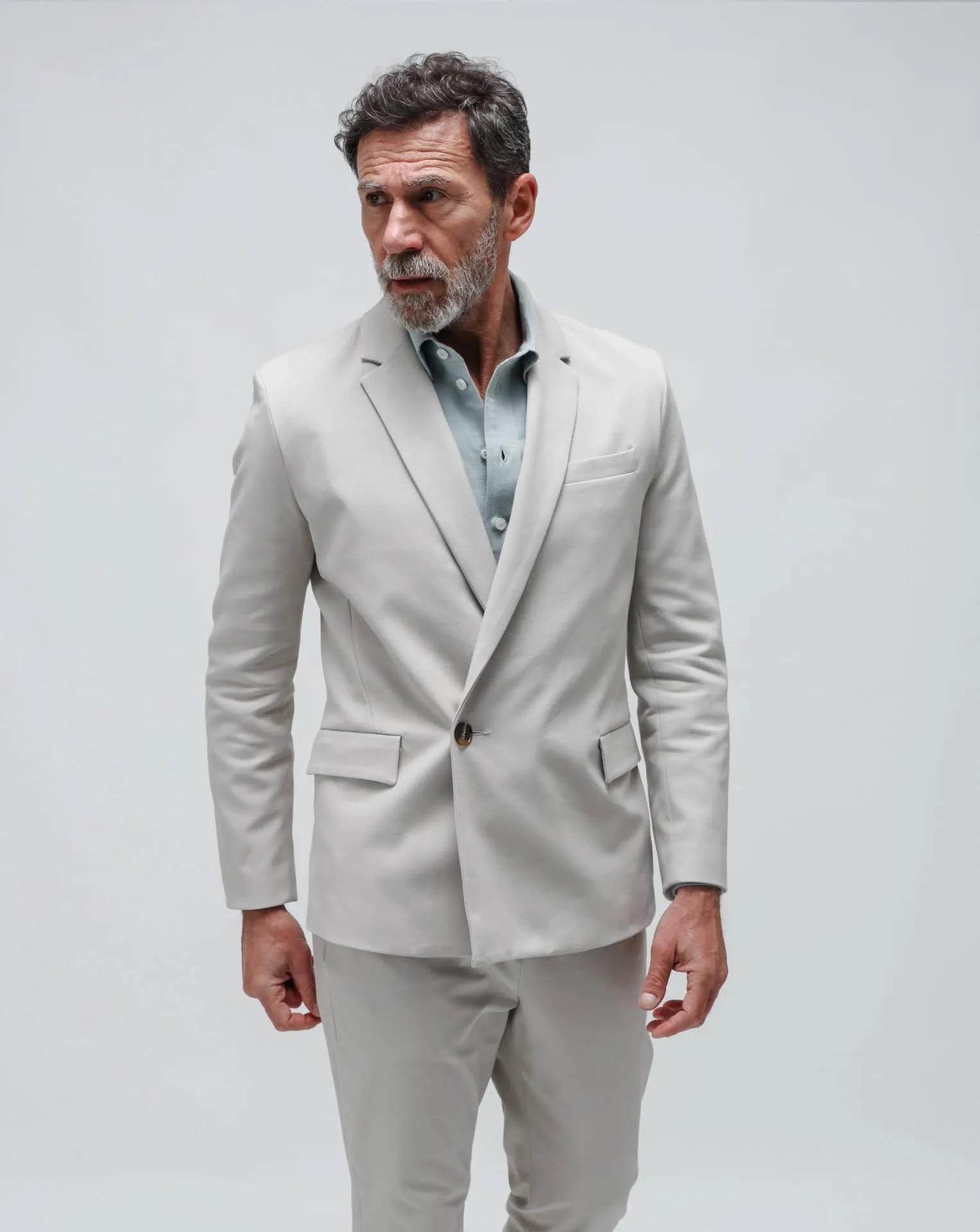
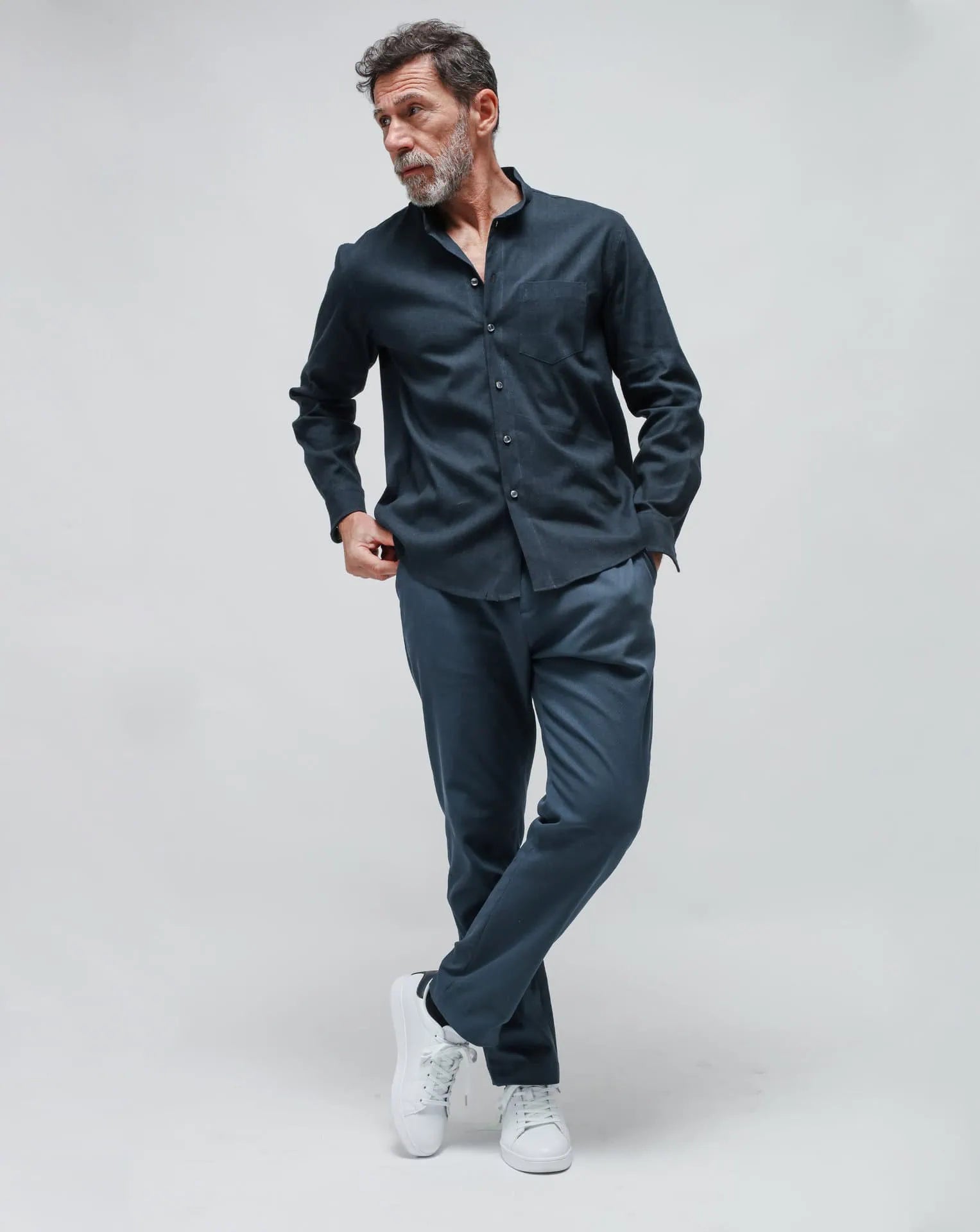
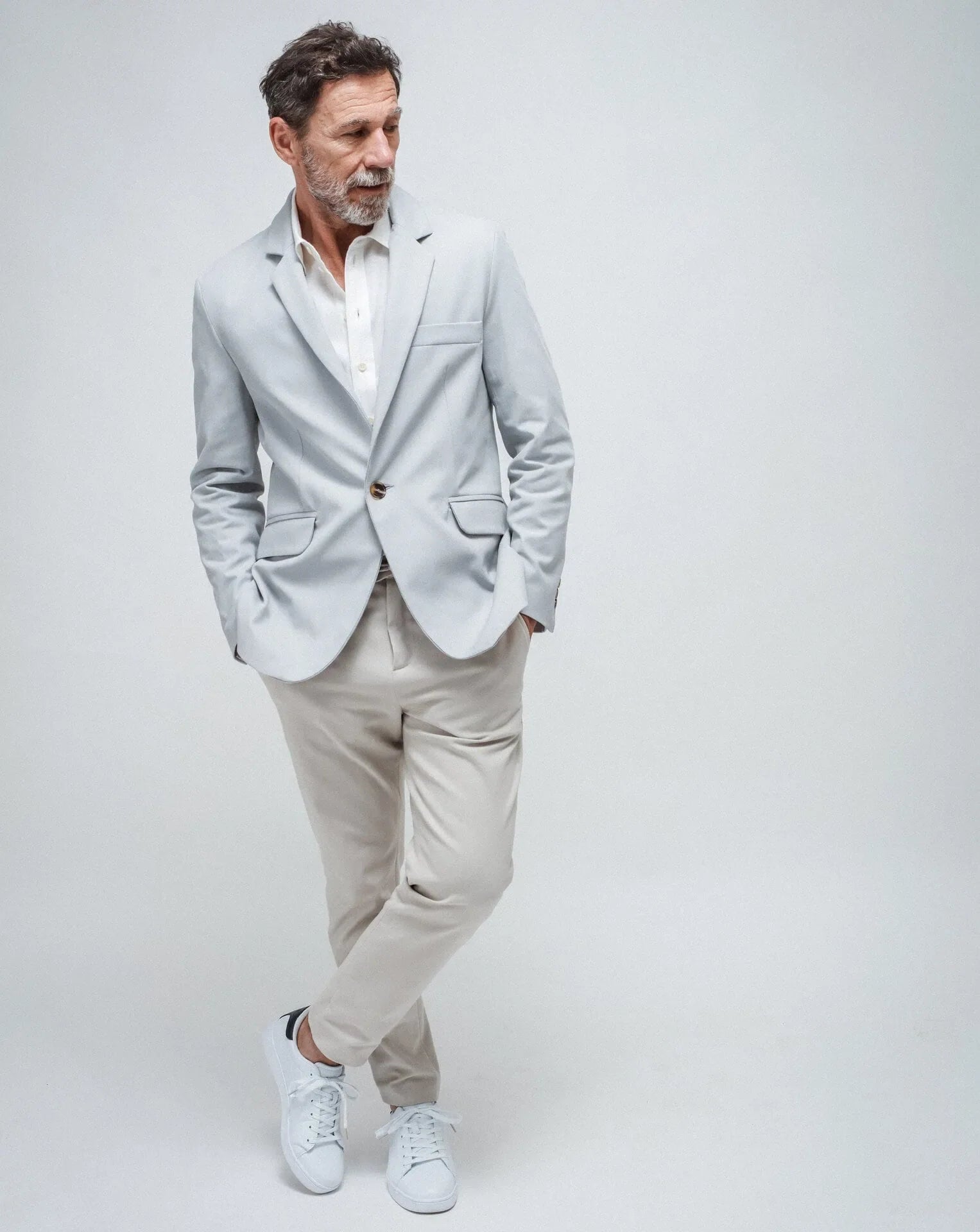
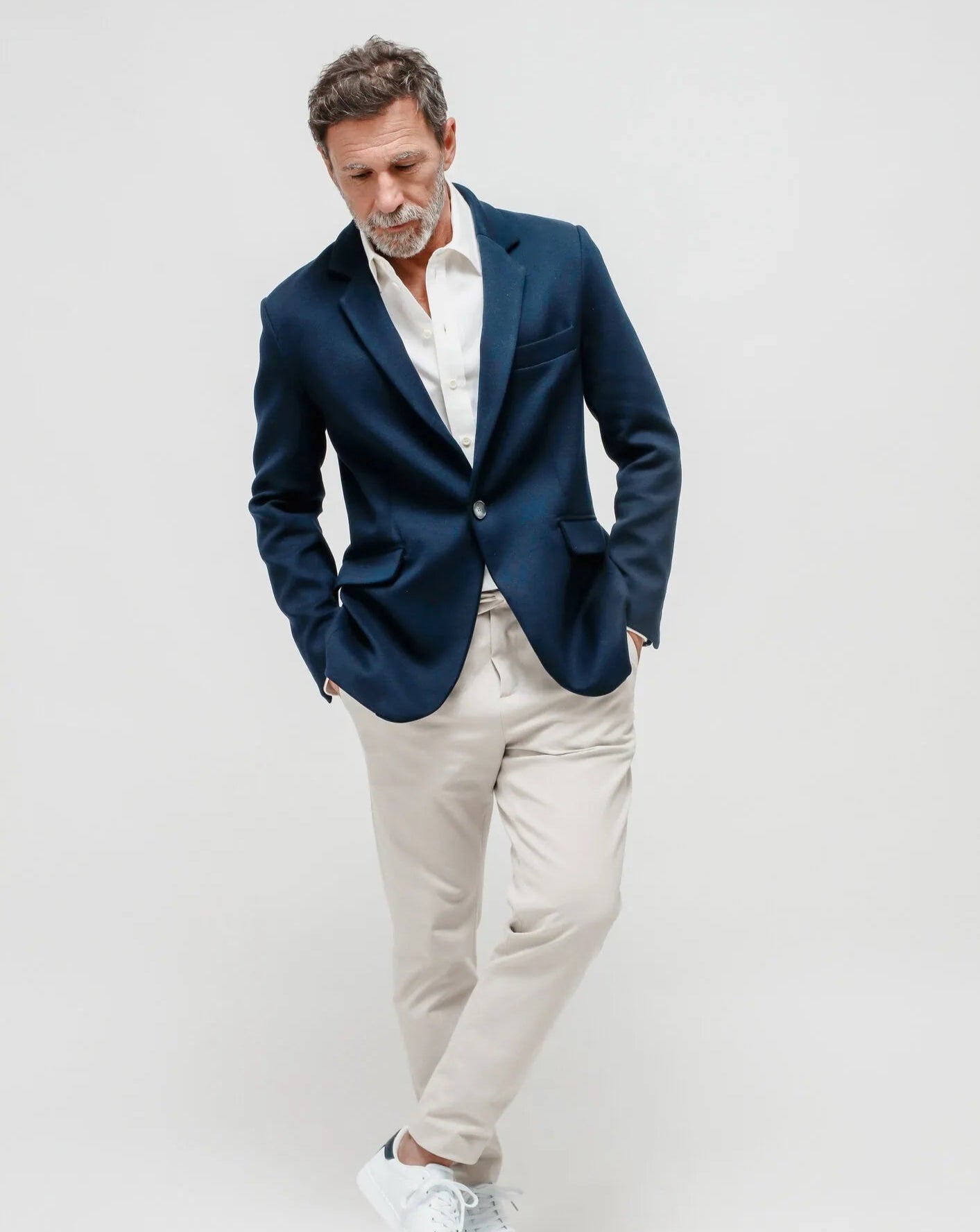
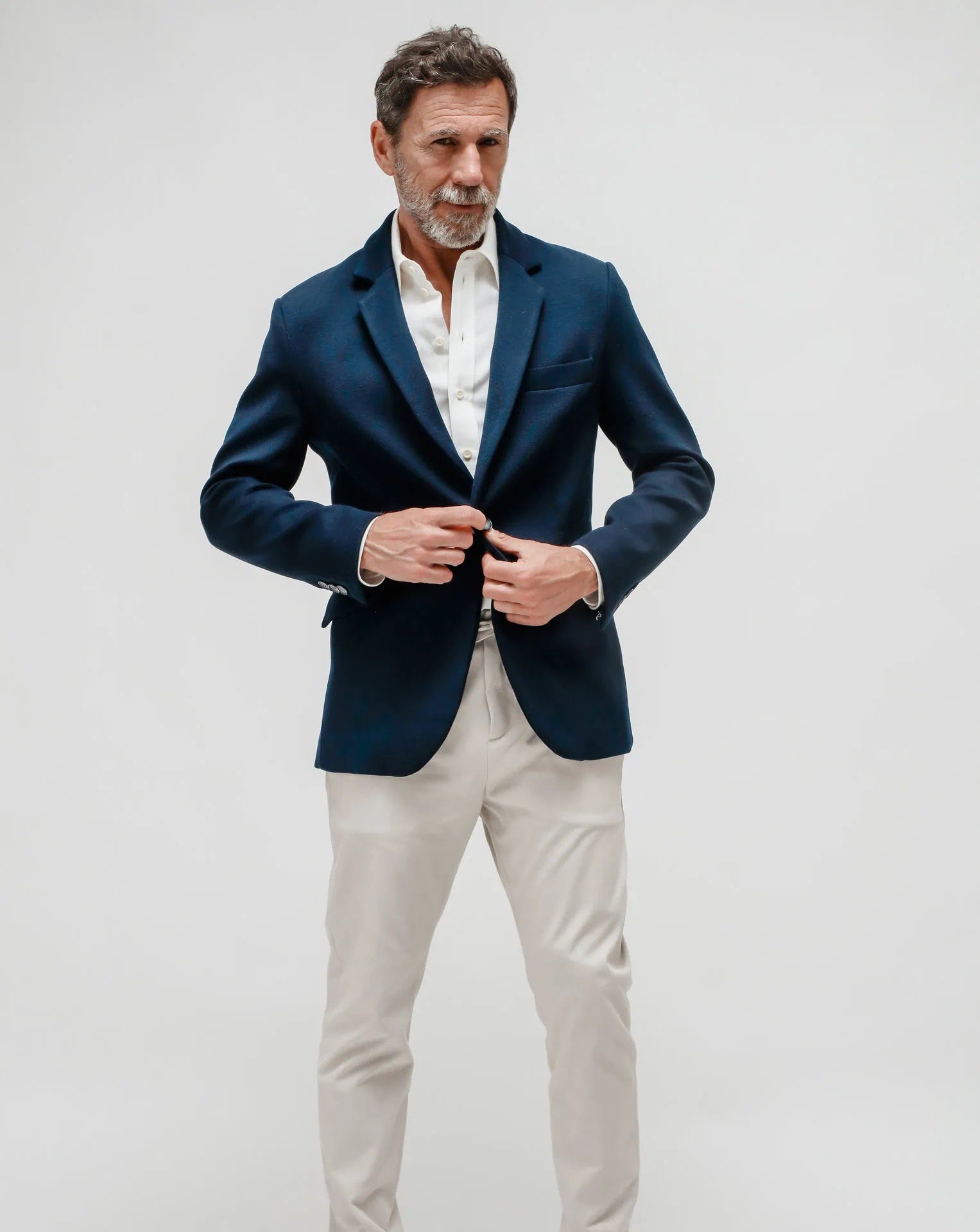
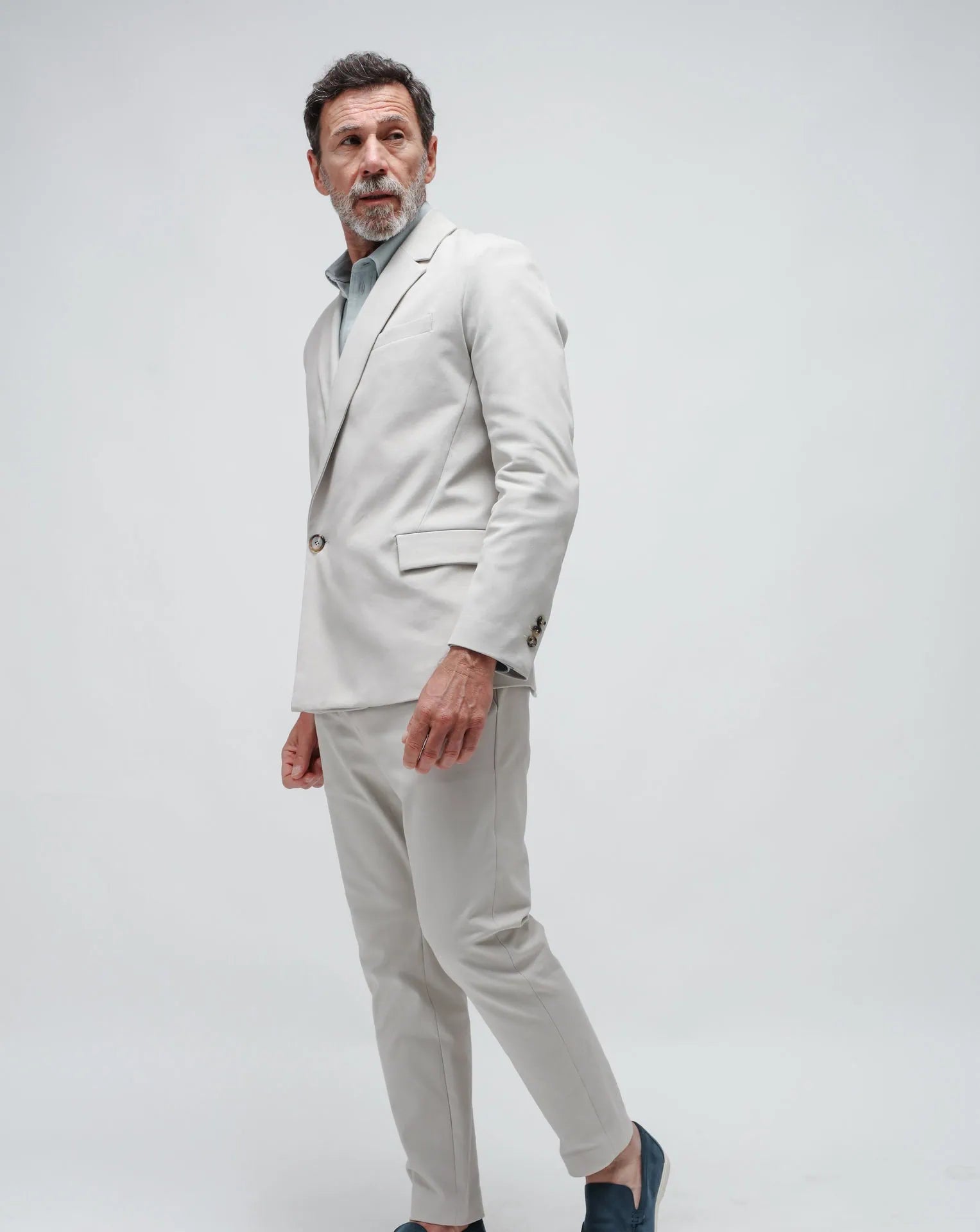
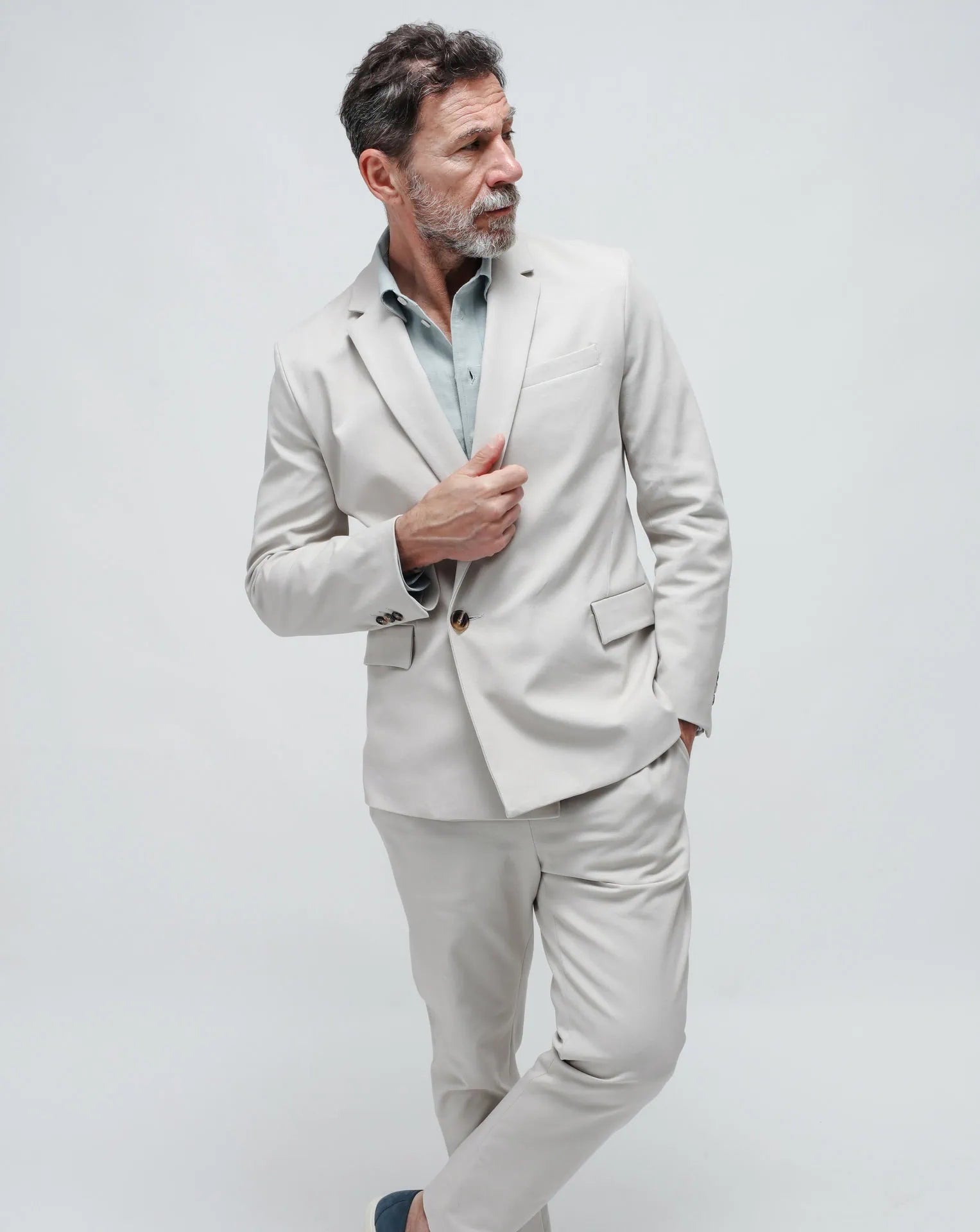
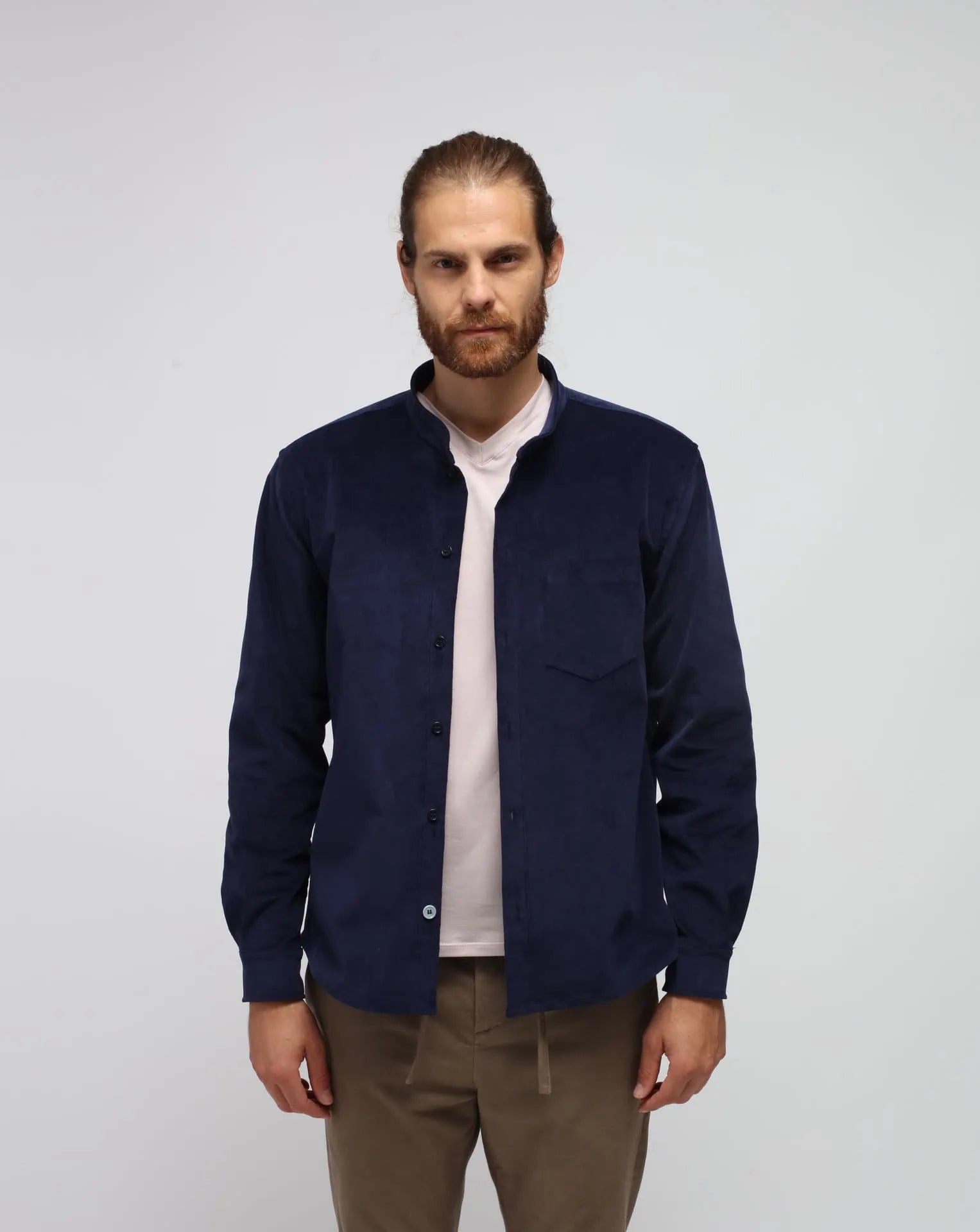
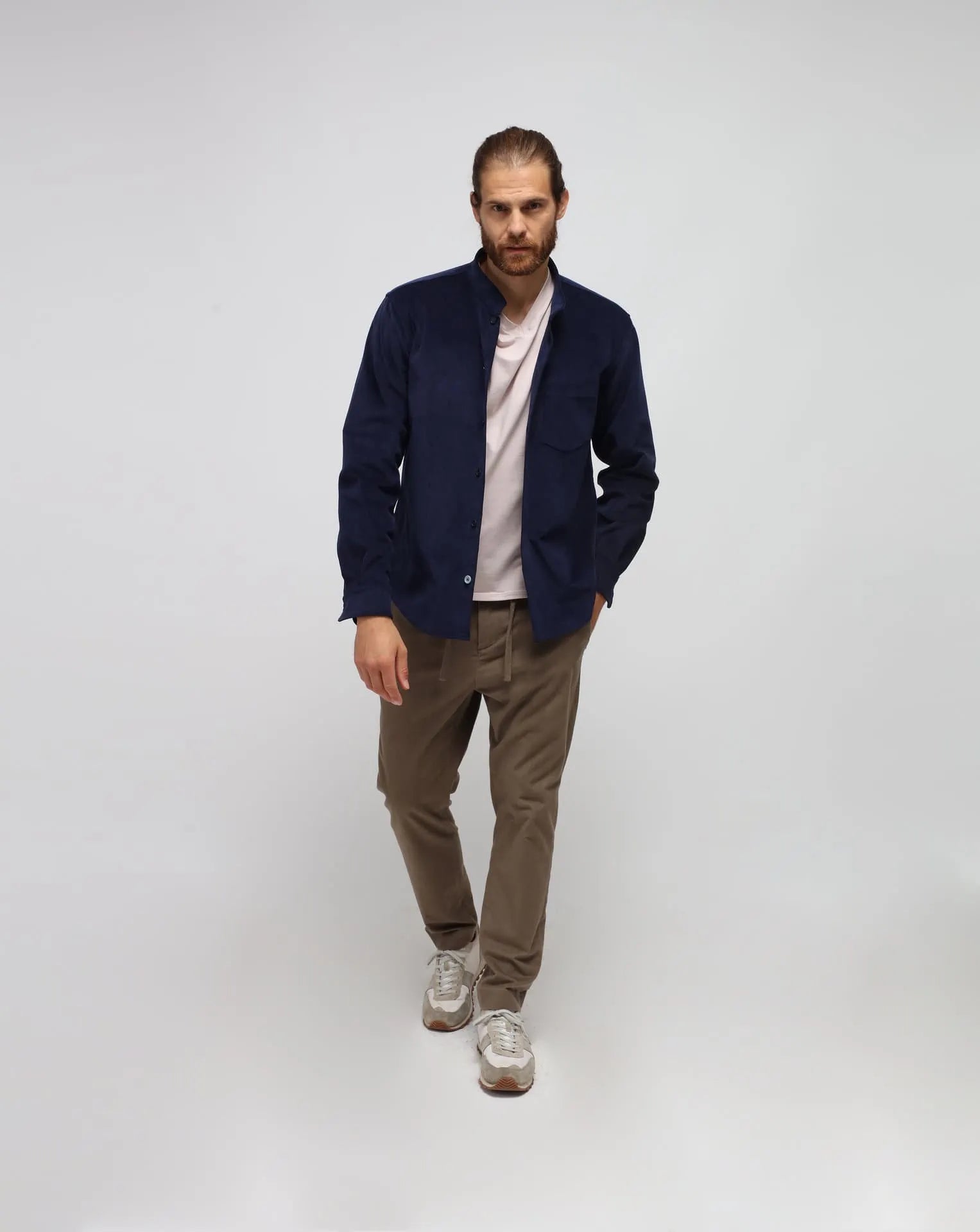
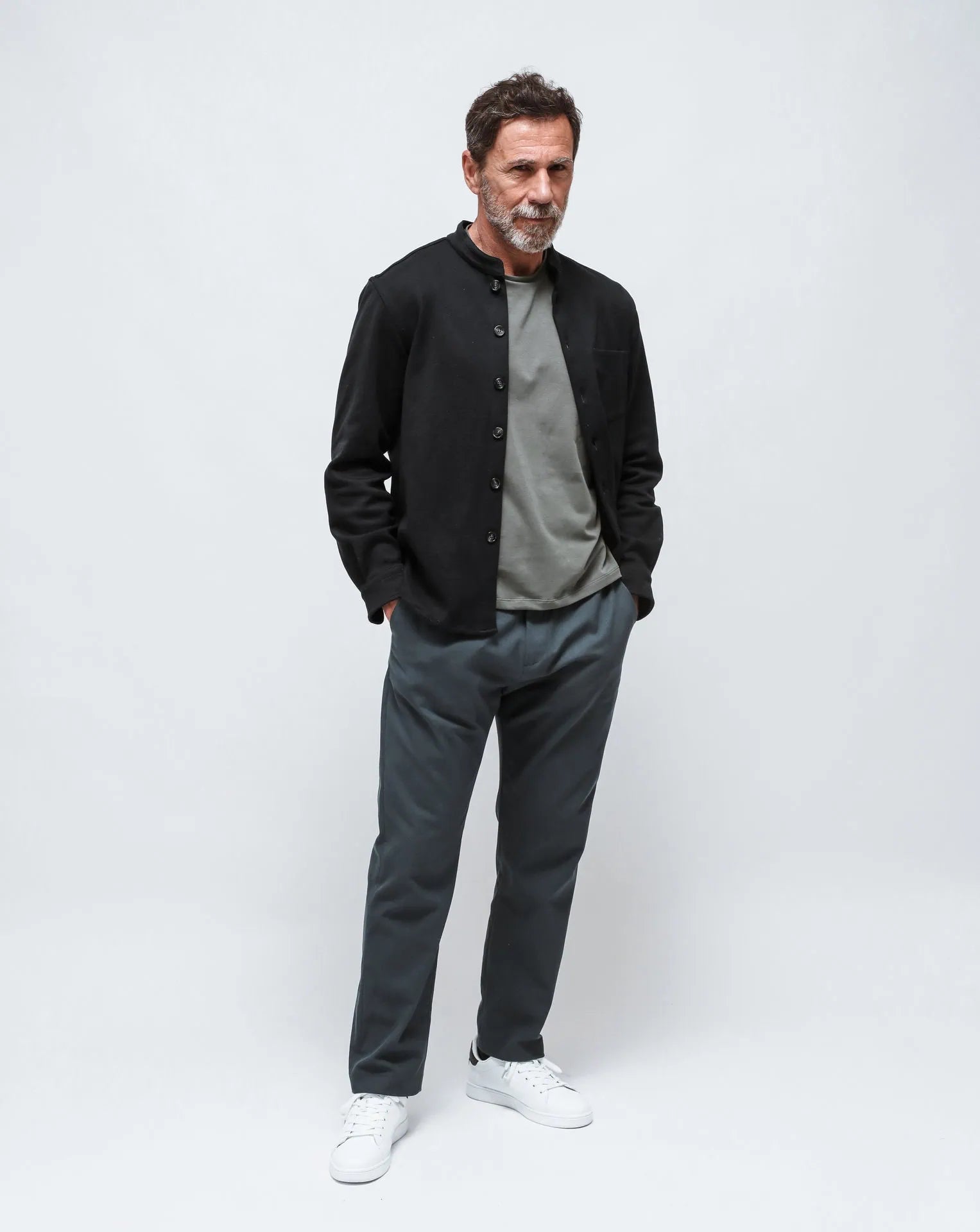
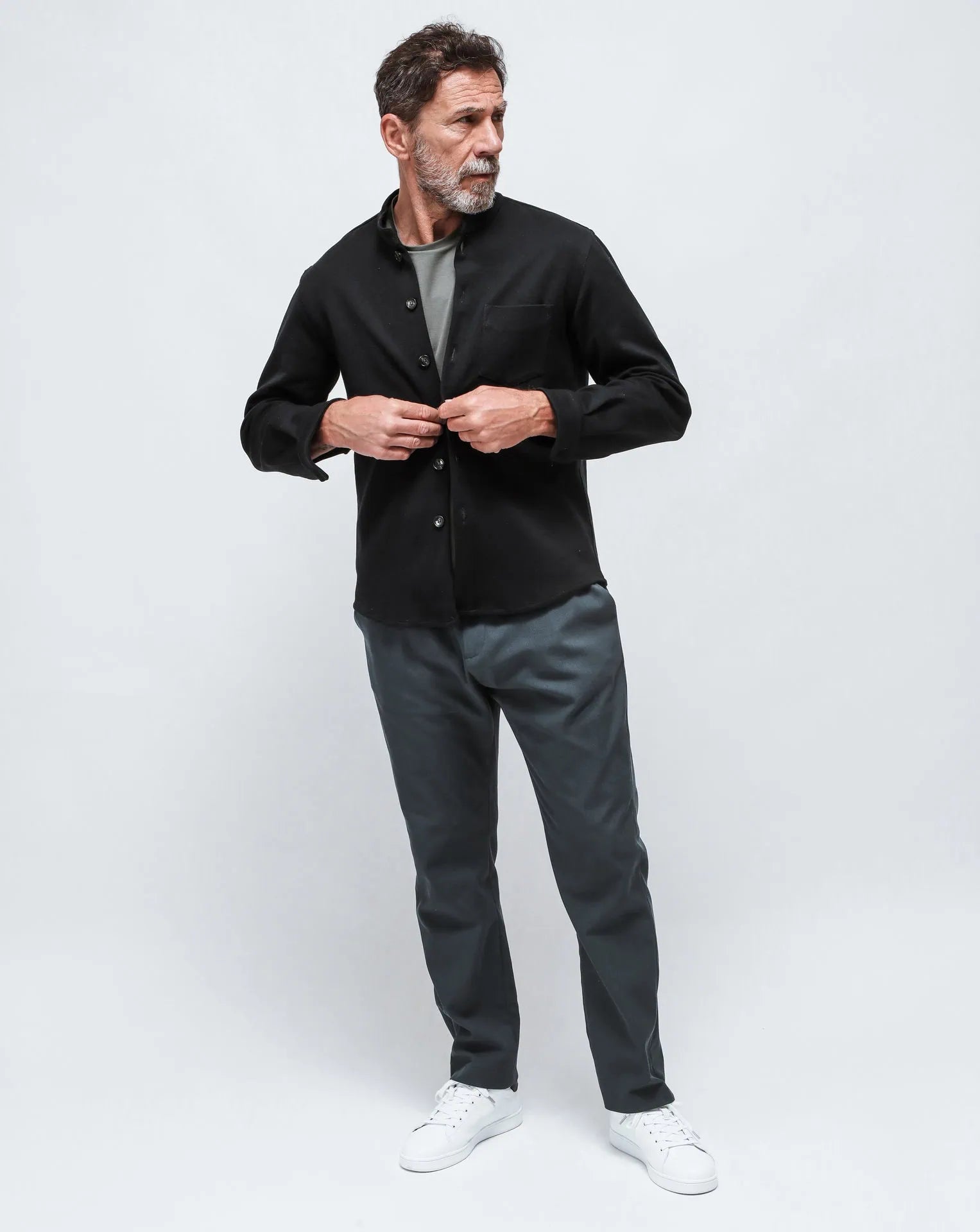
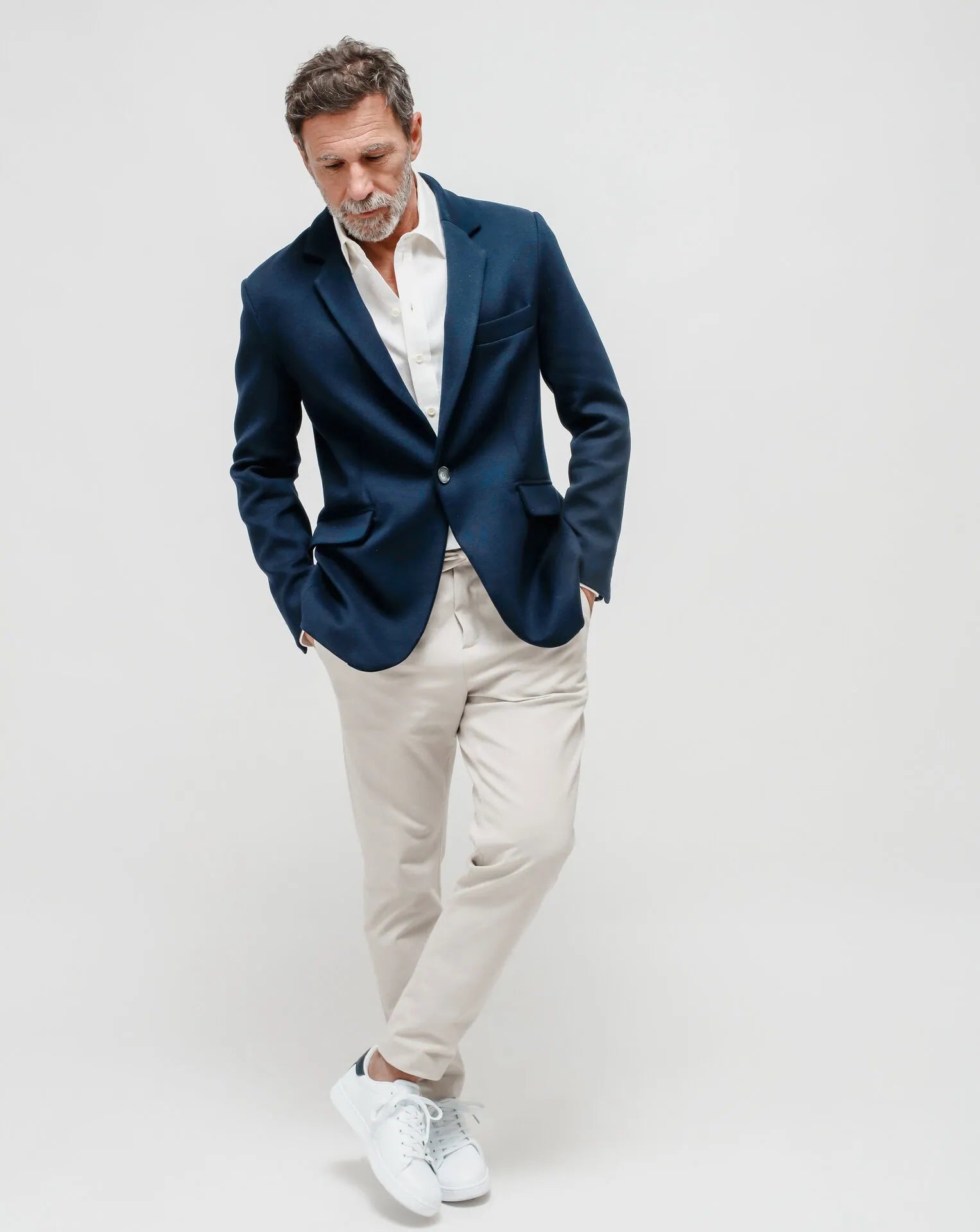
The Amsterdam menswear approach favors ease over display. A suit should work as separates. A shirt should look good open over a tee, as well as buttoned beneath a knit. Pants should allow movement, particularly when walking or cycling is part of the day.
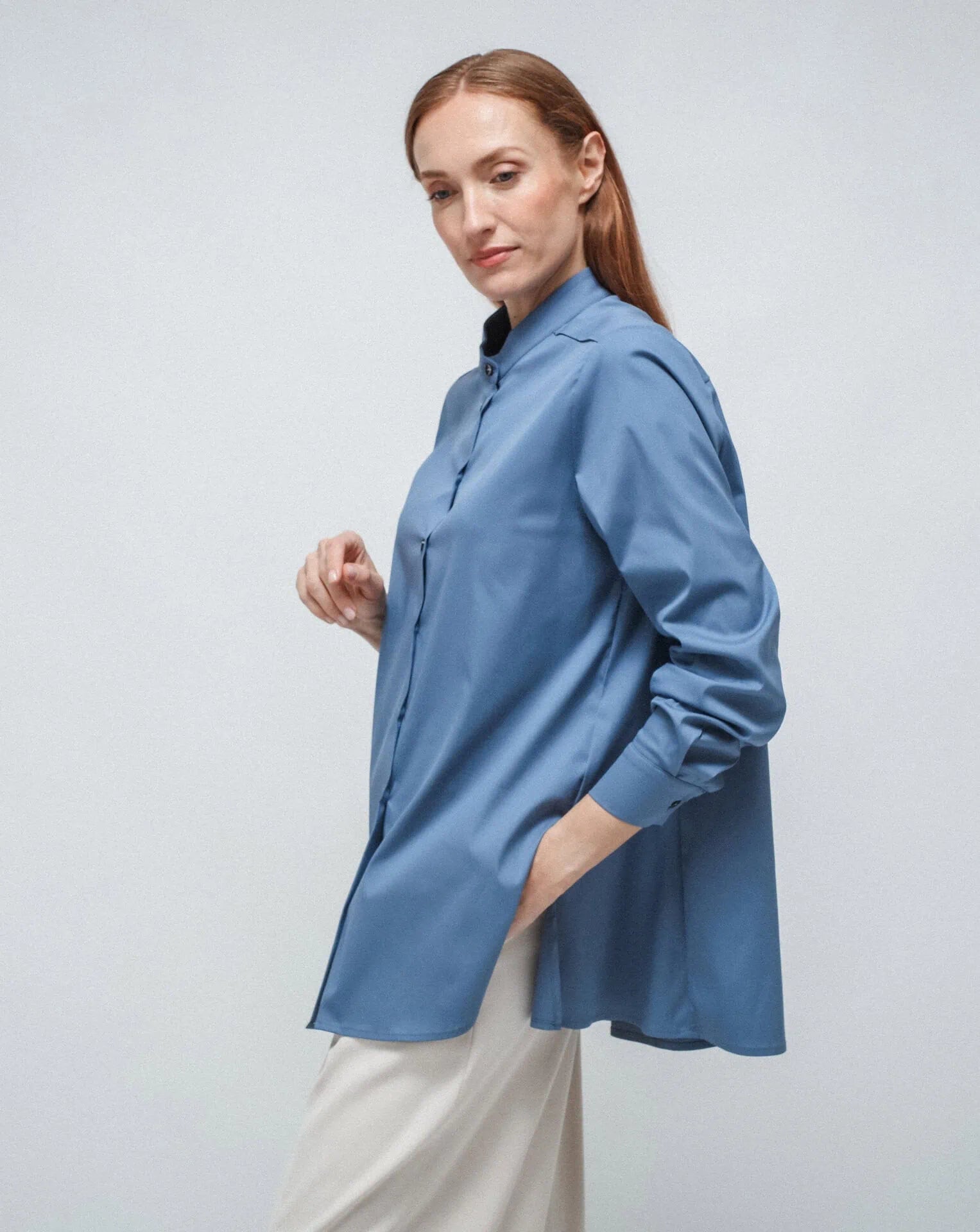
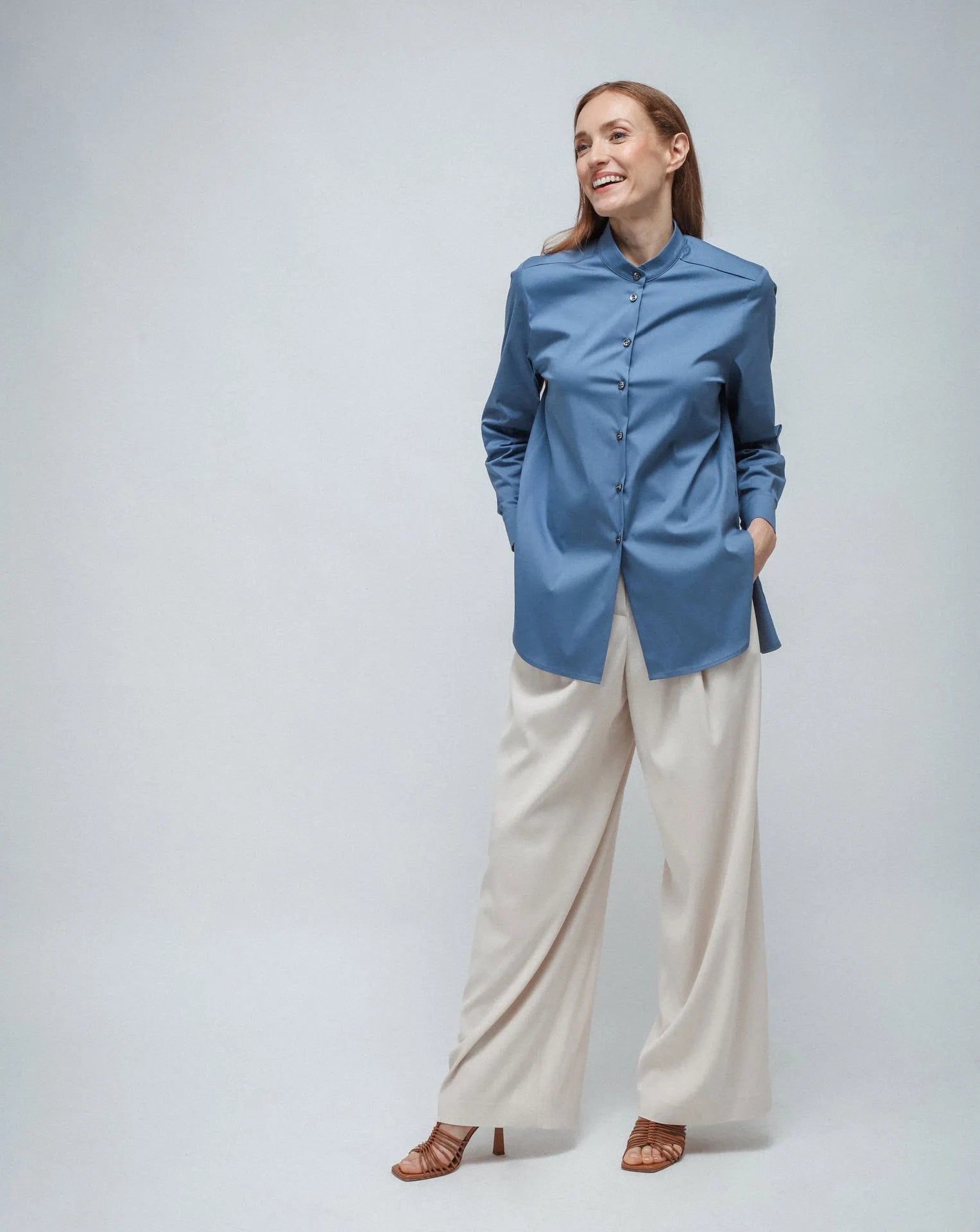
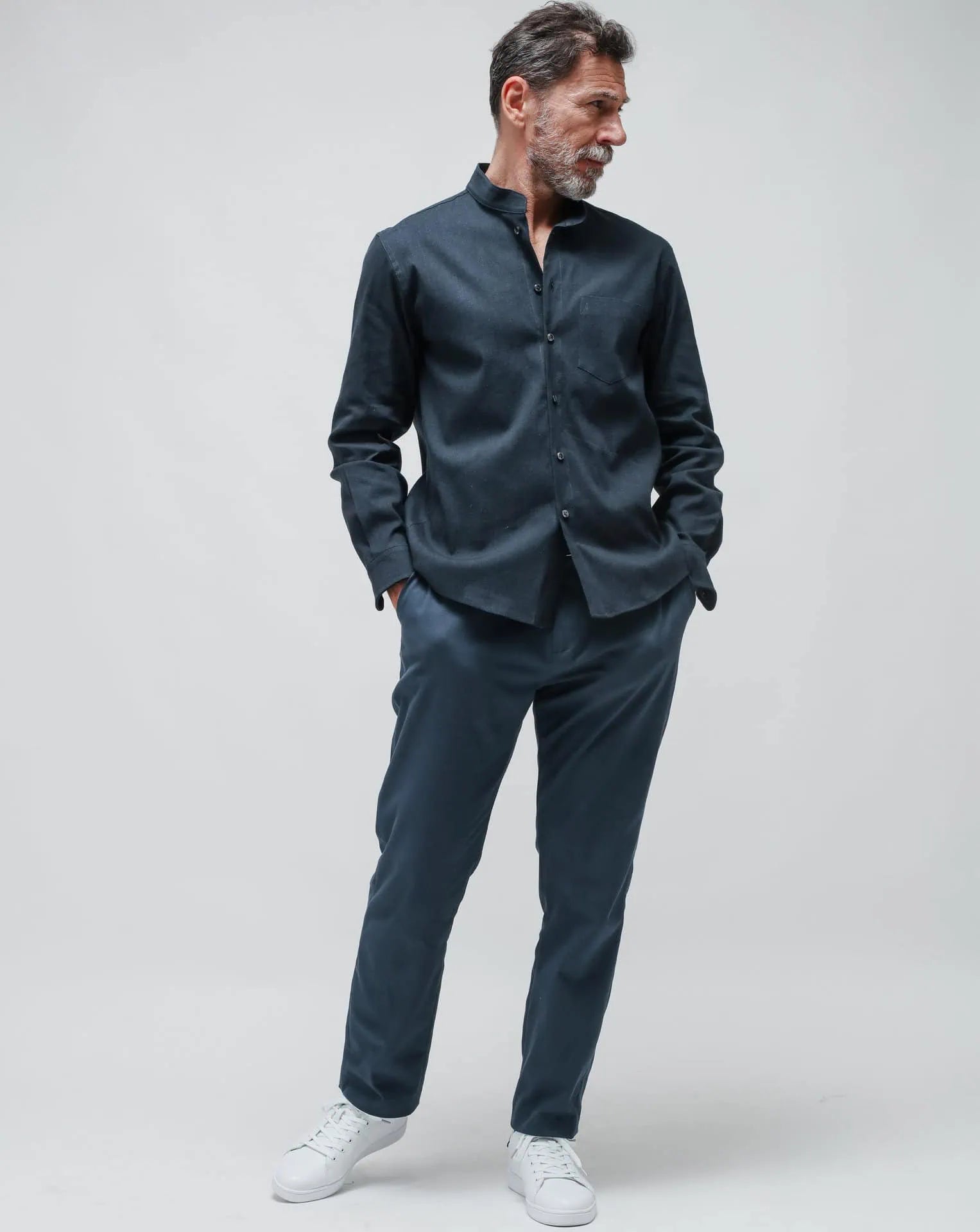
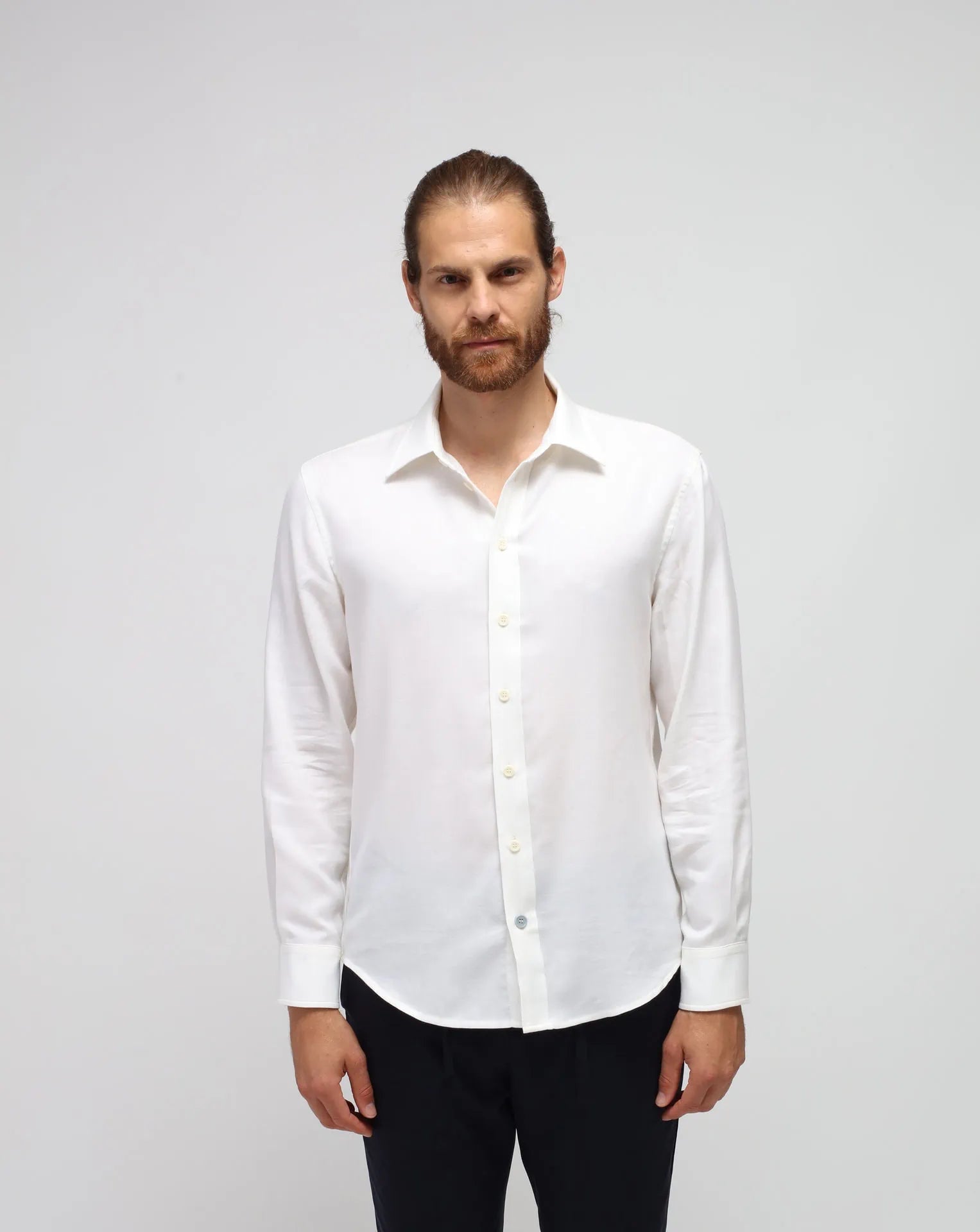
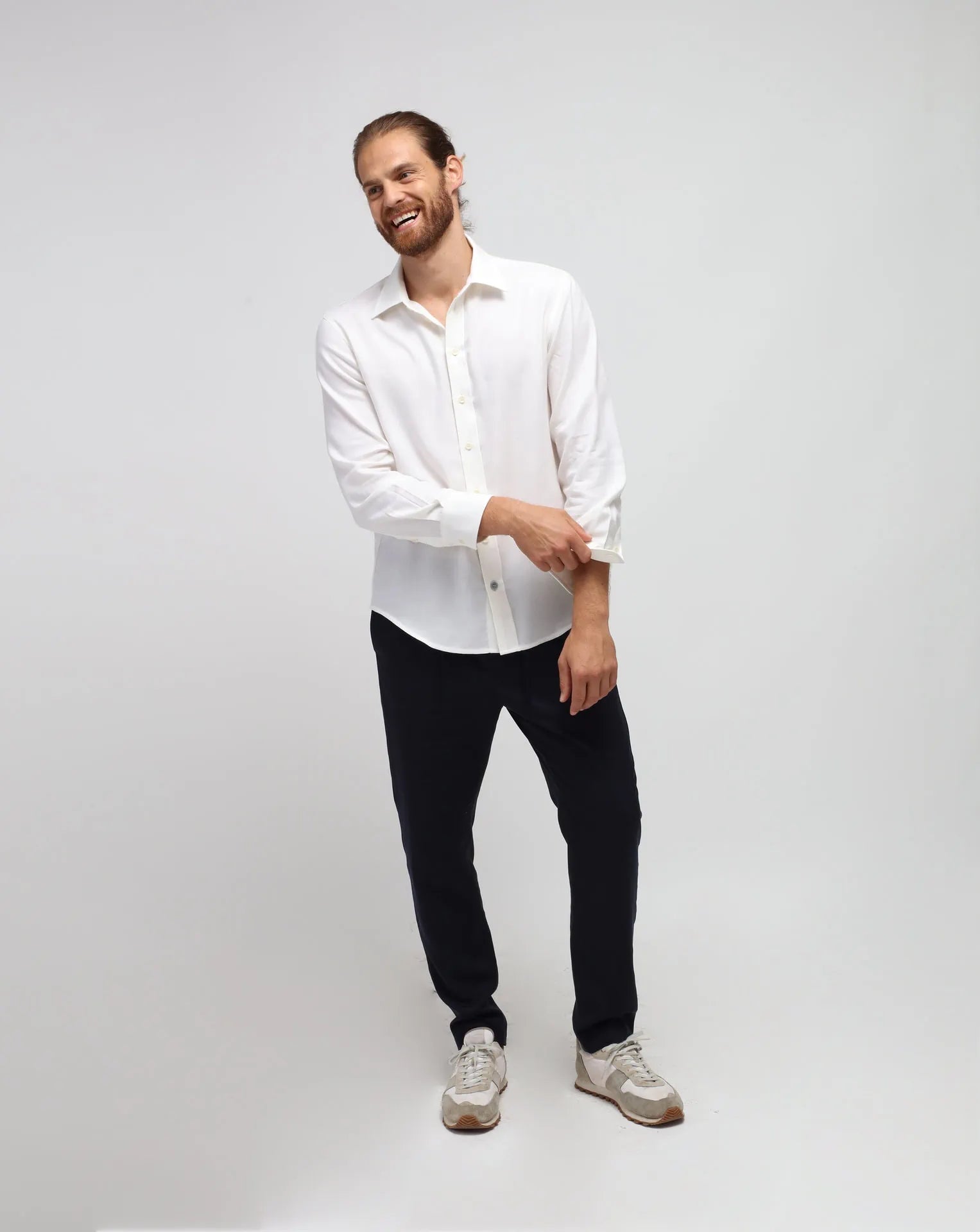
Start with a pair of tailored trousers in charcoal, navy, or dark brown. Add a substantial cotton shirt, a merino knit, and a structured coat. The result is composed but not corporate. On less formal days, replace the trousers with clean, straight-leg denim or relaxed pants, keeping the same coat and knit to retain a sense of purpose.
Texture keeps neutral menswear interesting. Brushed wool, crisp poplin, fine rib knits, and matte outerwear create depth without depending on loud graphics. This is where quality becomes visible. A restrained palette puts more attention on drape, construction, and fabric character.
Choose Pieces That Earn Their Space
The most sustainable wardrobe is not a uniform of beige basics. It is a collection of clothes you actively want to wear, repair, re-style, and keep. Before adding a winter piece, ask whether it works with at least three existing items and whether it can move between parts of your life.
A jacket that works only with one pair of pants may still be worth owning if it is a piece you genuinely love. But it should be an intentional exception, not the rule. The better default is versatility with personality: a dress that layers, a shirt with an exceptional cut, a coat that makes ordinary outfits feel finished.
Small-batch production supports this mindset. Limited quantities encourage a slower decision than endless inventory and constant markdowns. It asks a better question than, “Is this trending?” Ask, “Will I reach for this next winter, too?”
Humans & Land approaches that question through Italian-made, limited-edition apparel using premium deadstock fabrics. The point is not to make more clothing. It is to make fewer pieces worth choosing again.
Build a Palette, Not a Costume
A winter palette makes getting dressed easier, but it should leave room for surprise. Begin with two or three grounding shades. Black and charcoal are classic, while navy and chocolate brown bring softness. Add cream, stone, or muted olive to create contrast near the face.
Then select one color or texture that feels personal. It may be a deep red knit, a patterned scarf, a silver accessory, or a sharply cut white shirt. Amsterdam style rarely relies on many competing statements. One clear point of view is enough.
For women, a dark midi dress, cream knit, black coat, and tall boots create a reliable core. For men, dark trousers, a white or blue shirt, a charcoal knit, and a navy coat can cover most winter settings. Neither formula is restrictive. They are starting points that make more distinctive pieces easier to wear.
Care Is Part of the Look
A refined wardrobe does not end at checkout. Brushing wool, airing garments between wears, treating stains promptly, and storing knitwear folded can materially extend a garment’s life. These habits preserve shape and reduce unnecessary washing, which is better for delicate fabrics and lowers the environmental cost of care.
The same principle applies to fit. Use free size exchanges when available rather than settling for a garment that almost works. A precise fit changes how often an item is worn. It also changes how it feels to own it.
This winter, choose the coat that will meet you at the door for years, the trousers that work harder than their category suggests, and the knit you will miss when it is in the wash. That is the quiet discipline behind great Amsterdam style.
FAQ
Q: What should I wear in Amsterdam in winter?
A: Prioritize a warm coat, adaptable layers, tailored pants or a versatile dress, knitwear, and weather-ready shoes. Choose pieces that can move comfortably between walking, transit, work, and dinner.
Q: Is Amsterdam fashion mostly black?
A: Black is common, but it is not the only option. Charcoal, navy, brown, cream, olive, and deep jewel tones all fit naturally within an Amsterdam-inspired wardrobe.
Q: How can I make a winter wardrobe more sustainable?
A: Buy fewer pieces with stronger fabric, construction, and versatility. Consider deadstock fabrics, small-batch production, proper garment care, and styles you can wear repeatedly across different settings.
Q: What are the best winter staples for women and men?
A: For women, start with a tailored coat, knit, versatile dress, and well-cut pants. For men, focus on an overcoat, heavyweight shirt, knitwear, tailored trousers, and a jacket that can be dressed up or down.
Q: Can tailored clothing still feel casual?
A: Yes. Pair tailored pants with knitwear, wear a structured coat over relaxed layers, or split a suit into separates. The fit and fabric can look refined while the styling remains easy.