
Articolo: How to Build a Capsule Wardrobe for Winter
How to Build a Capsule Wardrobe for Winter
A winter wardrobe should not require a larger closet. It should require better decisions. Learning how to build a capsule wardrobe begins with choosing pieces that earn their place: a coat with presence, knitwear that holds its shape, trousers that move between work and weekend, and layers designed for real weather rather than a single photograph.
The goal is not to dress in a uniform or limit personal expression. It is to remove the friction of getting dressed while buying less, wearing more, and keeping your standards intact. A considered capsule wardrobe creates room for the pieces you genuinely love, especially when the temperature drops and every layer matters.
Start With Your Actual Winter Life
Before buying anything, look at the last two weeks of your calendar. Consider your commute, office dress code, dinners out, travel, school runs, gallery openings, remote-work days, and the kind of weather you actually face. A polished winter capsule for Chicago will need more insulating layers than one for Los Angeles. A frequent traveler may prioritize wrinkle resistance and compact knits, while someone walking to work needs footwear and outerwear that can handle rain.
This is where many capsule wardrobes fail. They are built around an aesthetic fantasy instead of a lived routine. The answer is not a rigid list of identical essentials. It is a tightly edited wardrobe that reflects your climate, proportions, and habits.
Start by pulling out the clothes you already wear on repeat. Notice the colors, silhouettes, and fabrics you reach for without thinking. These are your foundations. Then identify the gaps: perhaps you have excellent sweaters but no refined coat, or several dresses but nothing that layers comfortably over them.
Choose a Color Palette That Works Hard
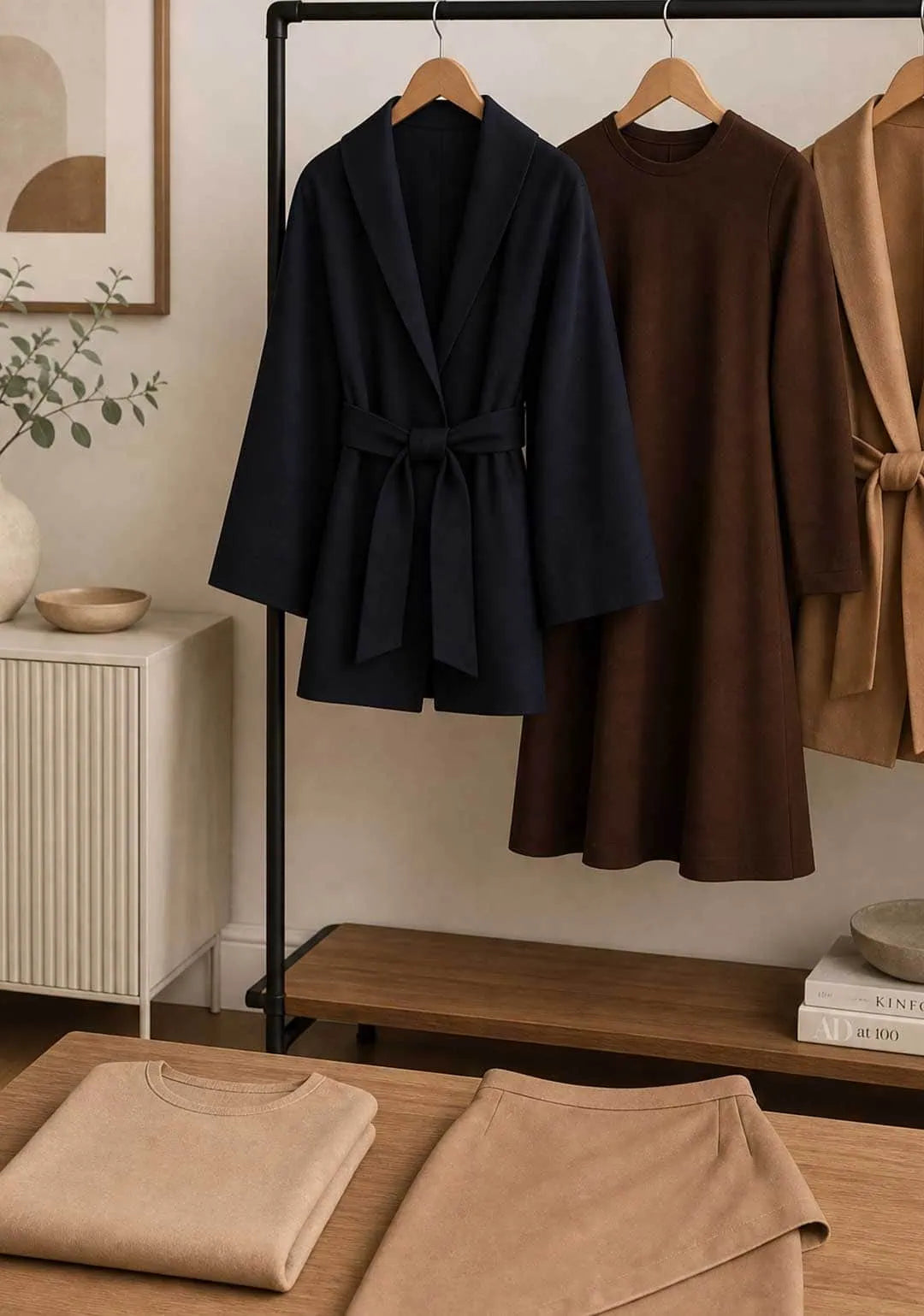
A capsule wardrobe becomes versatile when most pieces can meet each other without effort. Begin with two or three grounding neutrals, such as black, charcoal, navy, espresso, cream, camel, or deep olive. These should suit your existing shoes, bag, and outerwear, not simply look good on a mood board.
Add one or two accent colors that feel personal. Winter often favors oxblood, forest green, cobalt, rust, or a saturated plum, but the right choice is the one you will still want to wear next season. An accent can arrive through a sweater, scarf, dress, or shirt, rather than through a piece that must match everything.
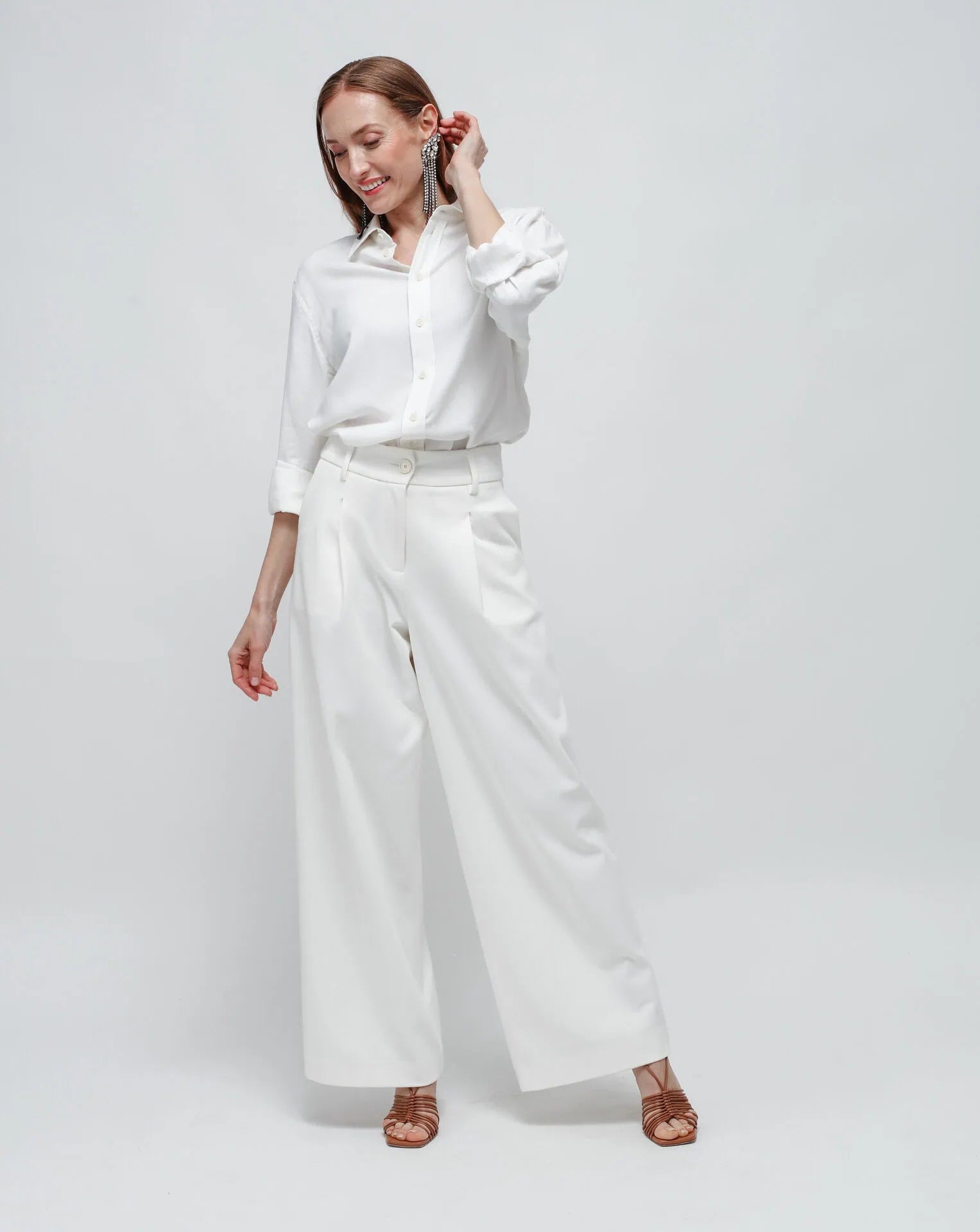
Texture does much of the visual work when the palette is restrained. A smooth tailored pant, brushed knit, crisp cotton shirt, and substantial wool coat can create depth without relying on constant novelty. This is especially useful for professionals who want their wardrobe to feel distinct without becoming overly trend-led.
Build the Winter Capsule in Layers
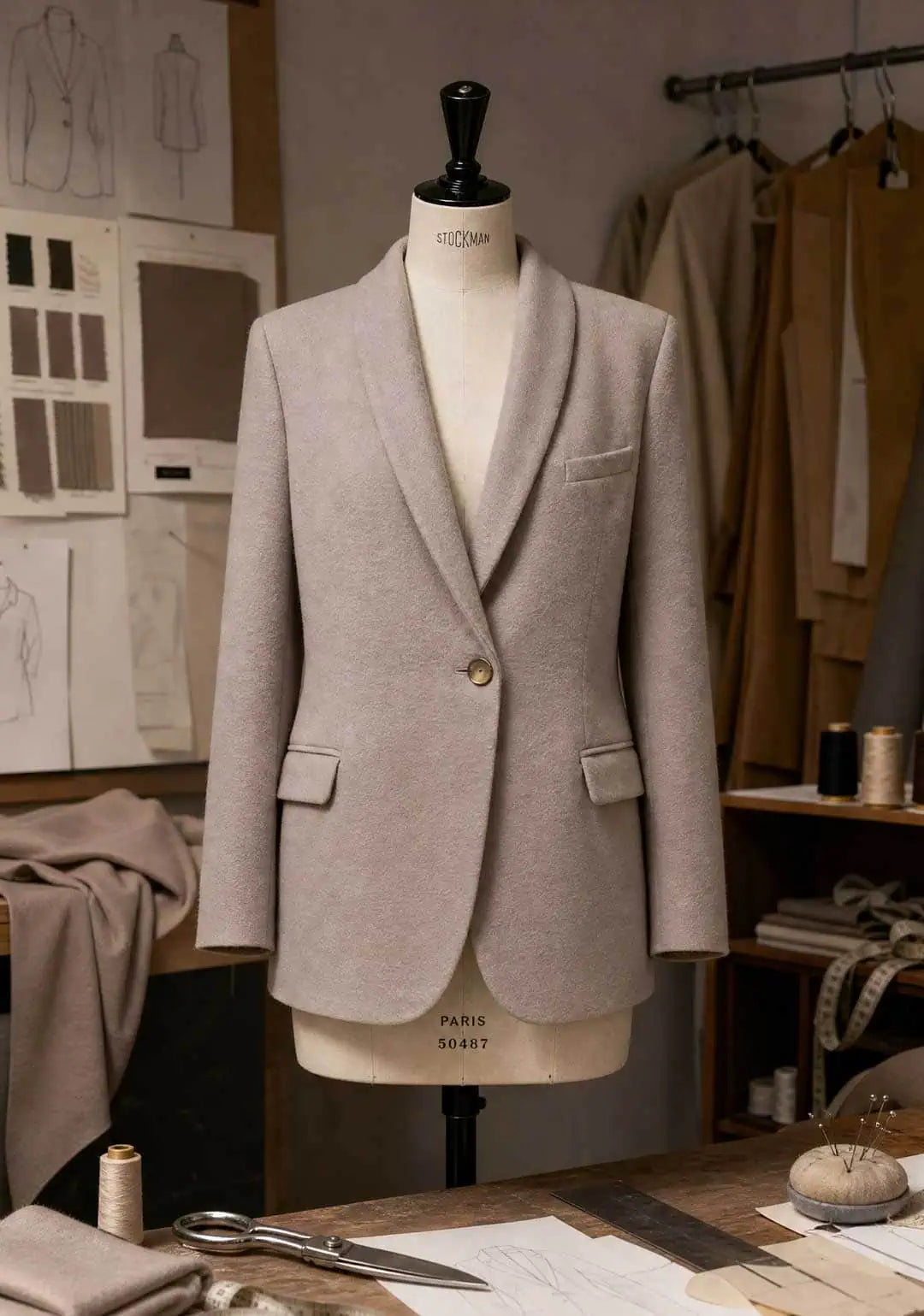
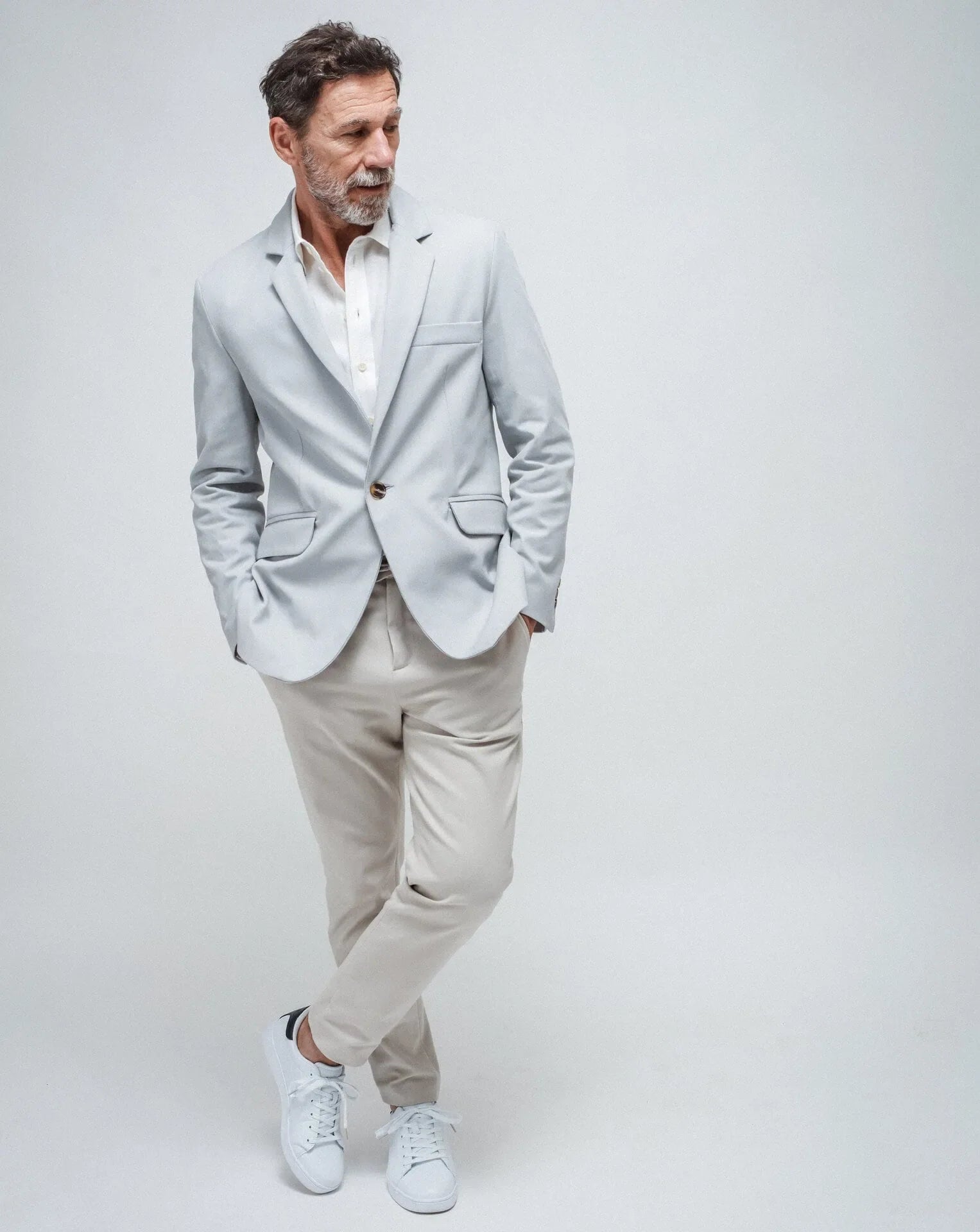
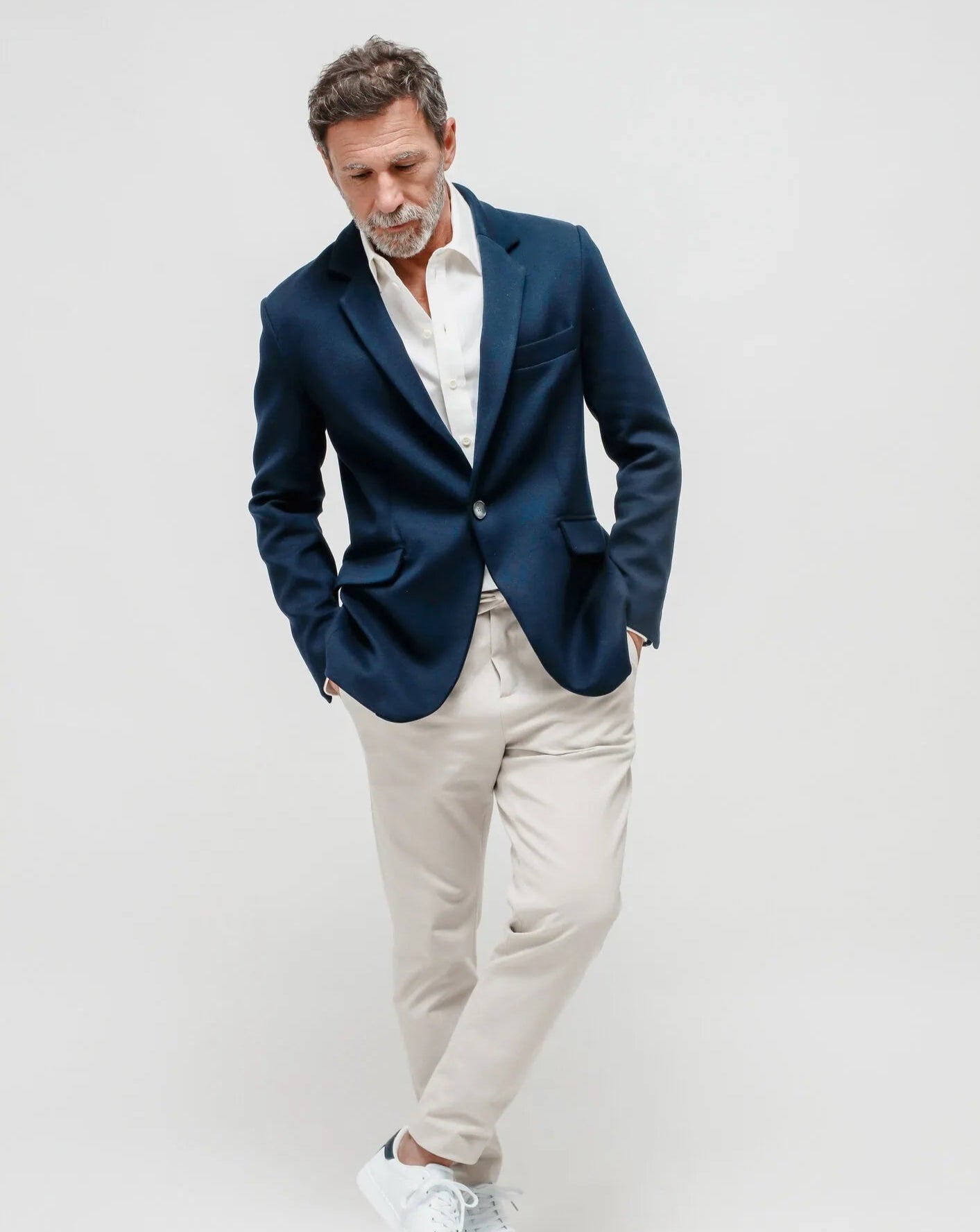
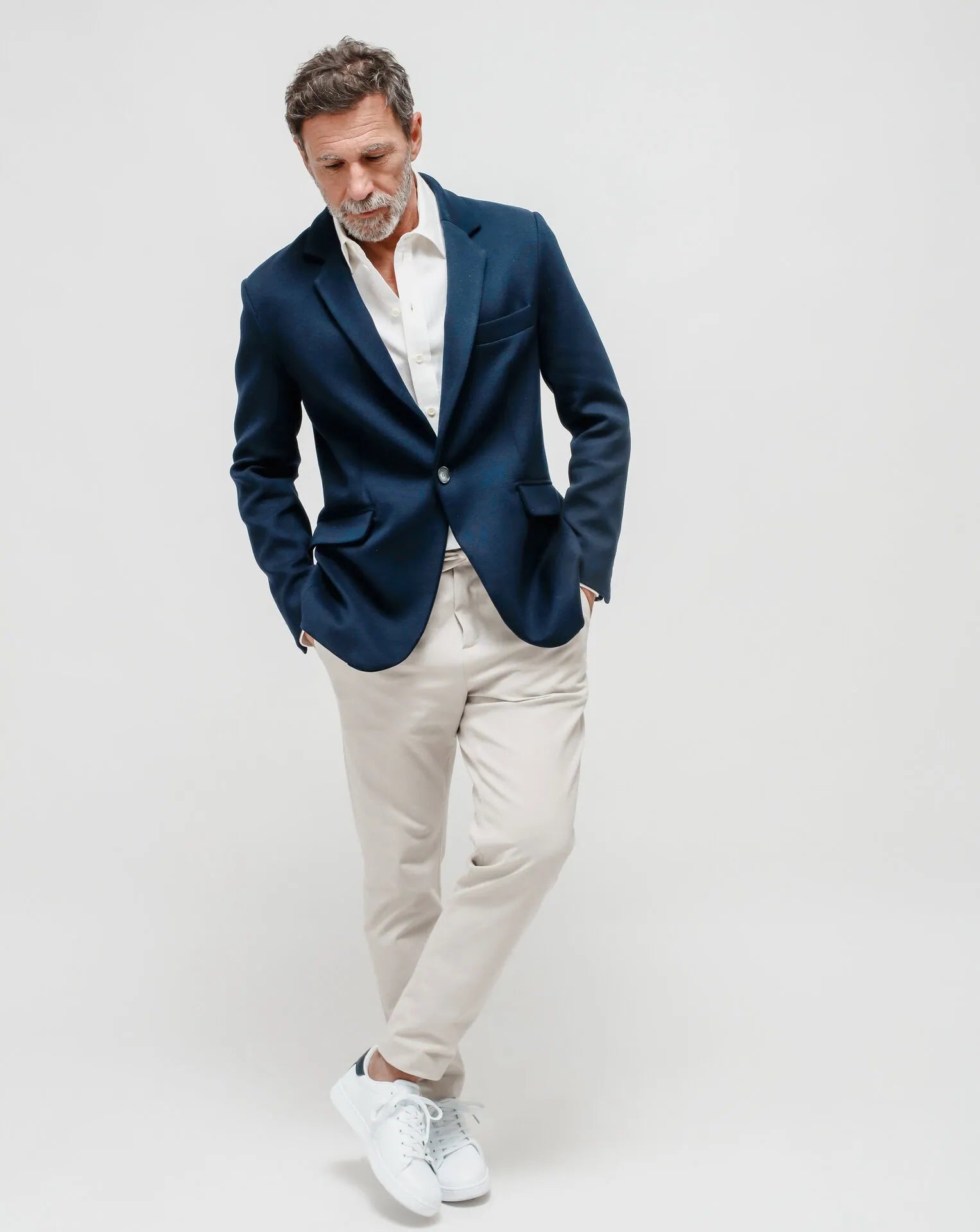
Outerwear is not an afterthought in winter. It is often the first and most visible piece of an outfit, so allocate budget accordingly. One enduring coat in a versatile neutral can carry daily life, while a sharper jacket or tailored blazer covers indoor meetings and evenings. Consider a placeholder such as [Women's Long Wool Coat] or [Men's Structured Overcoat] for the piece that anchors your cold-weather wardrobe.
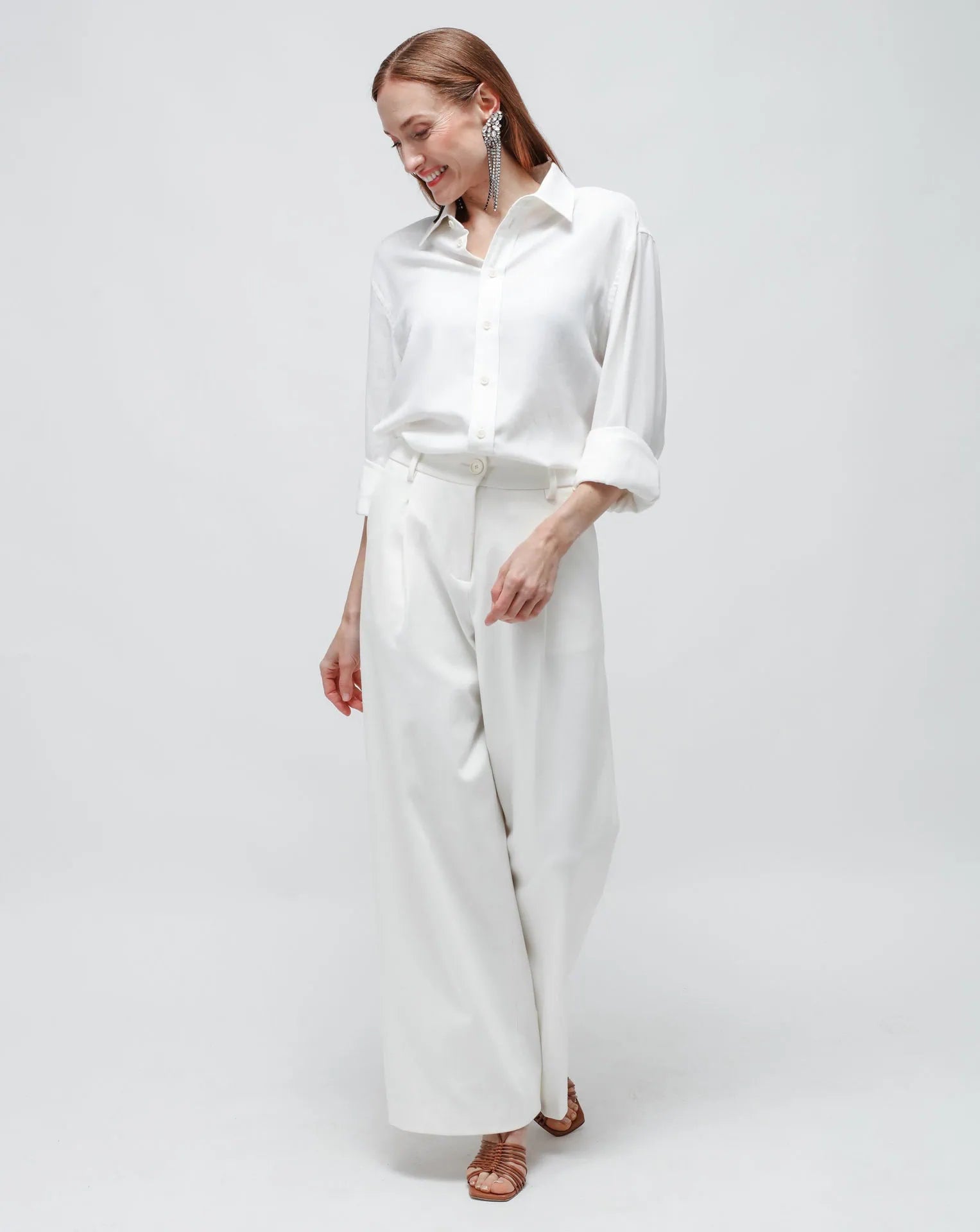
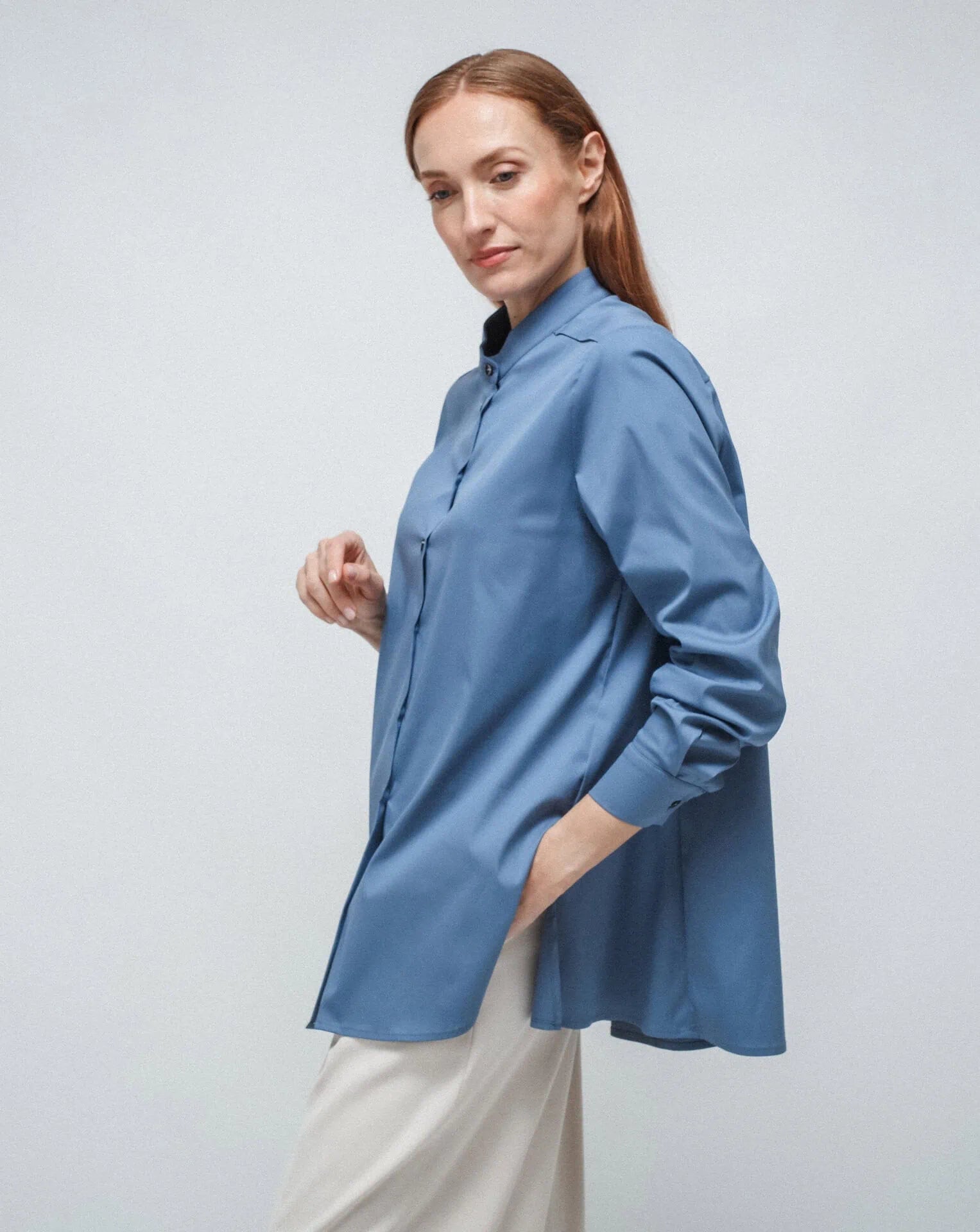
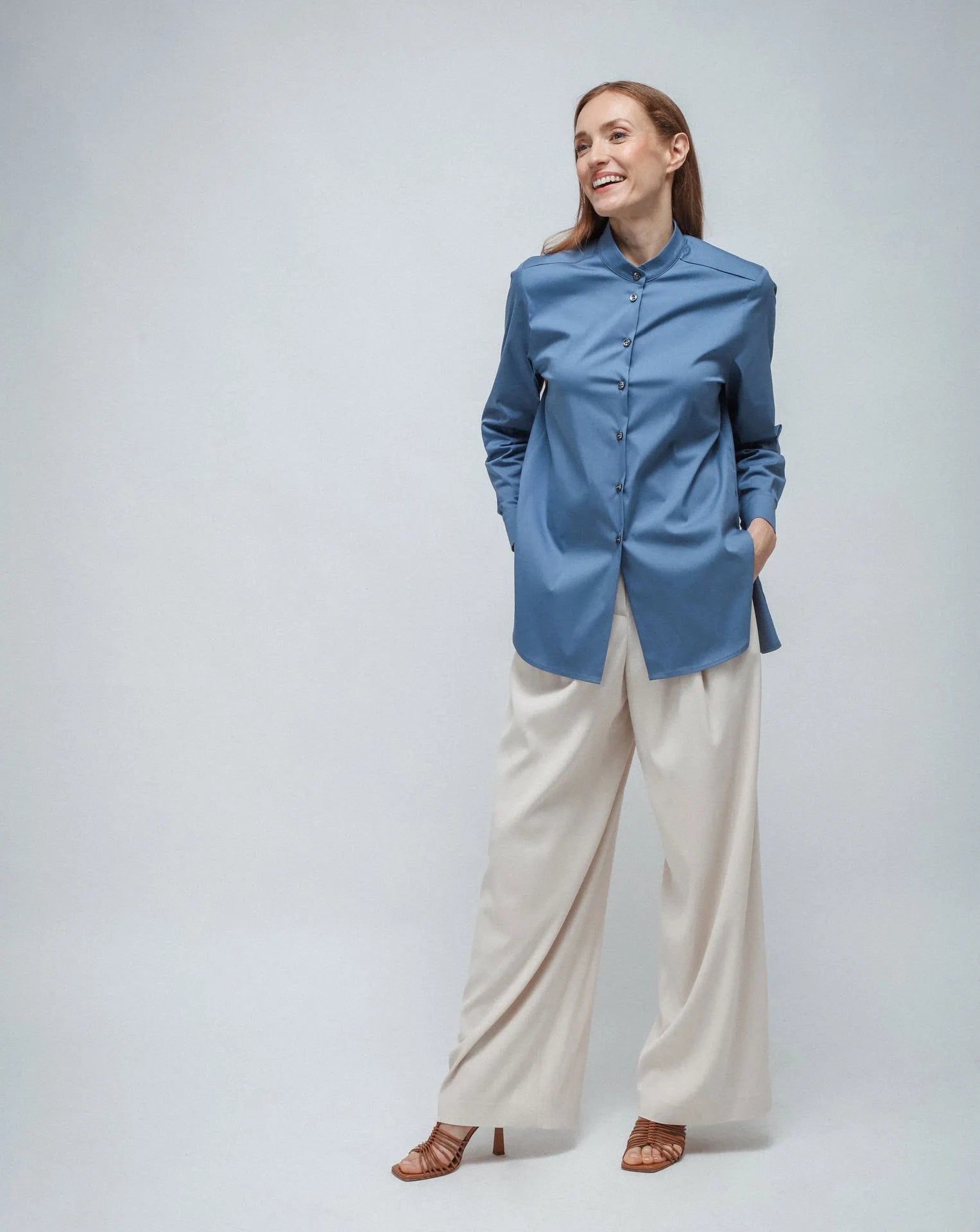
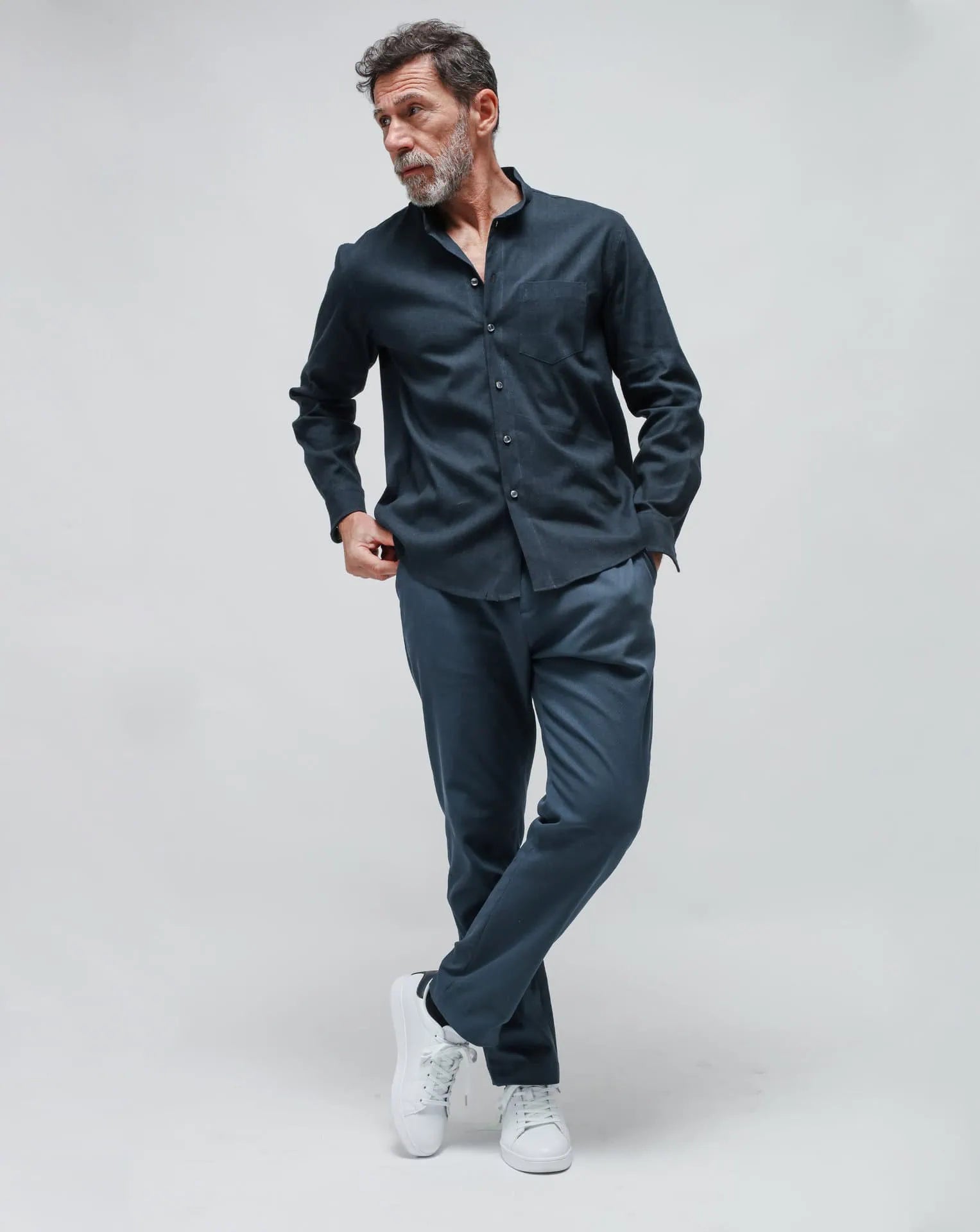
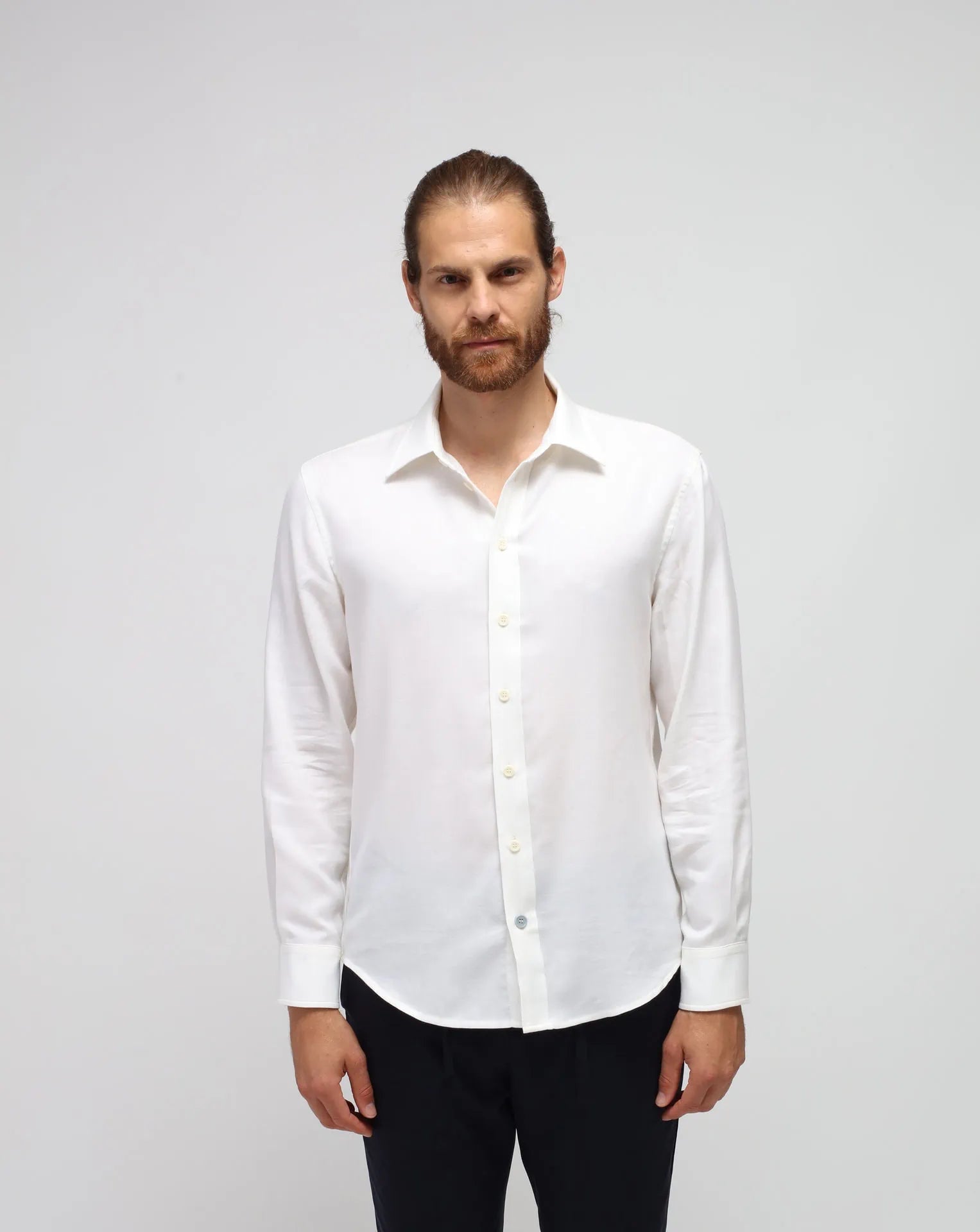
Underneath, focus on a small rotation of tops that layer well. Fine-gauge knits work beneath jackets without bulk. A heavier crewneck or turtleneck brings warmth to jeans and tailored trousers. A crisp shirt adds structure under knitwear, while a refined long-sleeve top can make skirts, suits, and coordinated sets feel less formal.
For bottoms, the strongest winter capsules usually include one tailored trouser, one relaxed everyday pant or dark denim, and one optional piece that reflects how you dress: a midi skirt, wide-leg pant, or elevated short for warmer winter destinations. The point is not to own every category. It is to ensure the pieces you choose work with your coats, knits, and shoes.
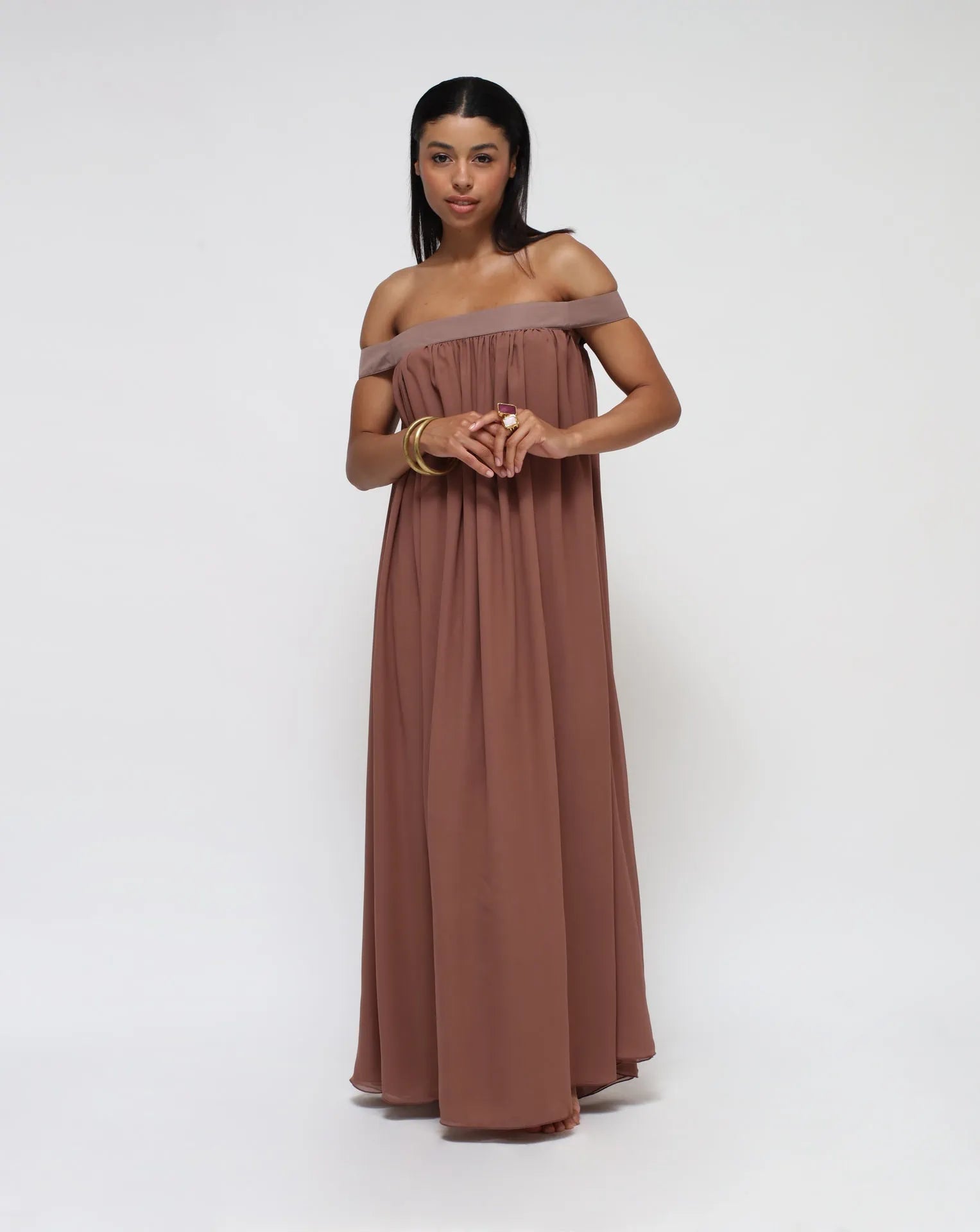
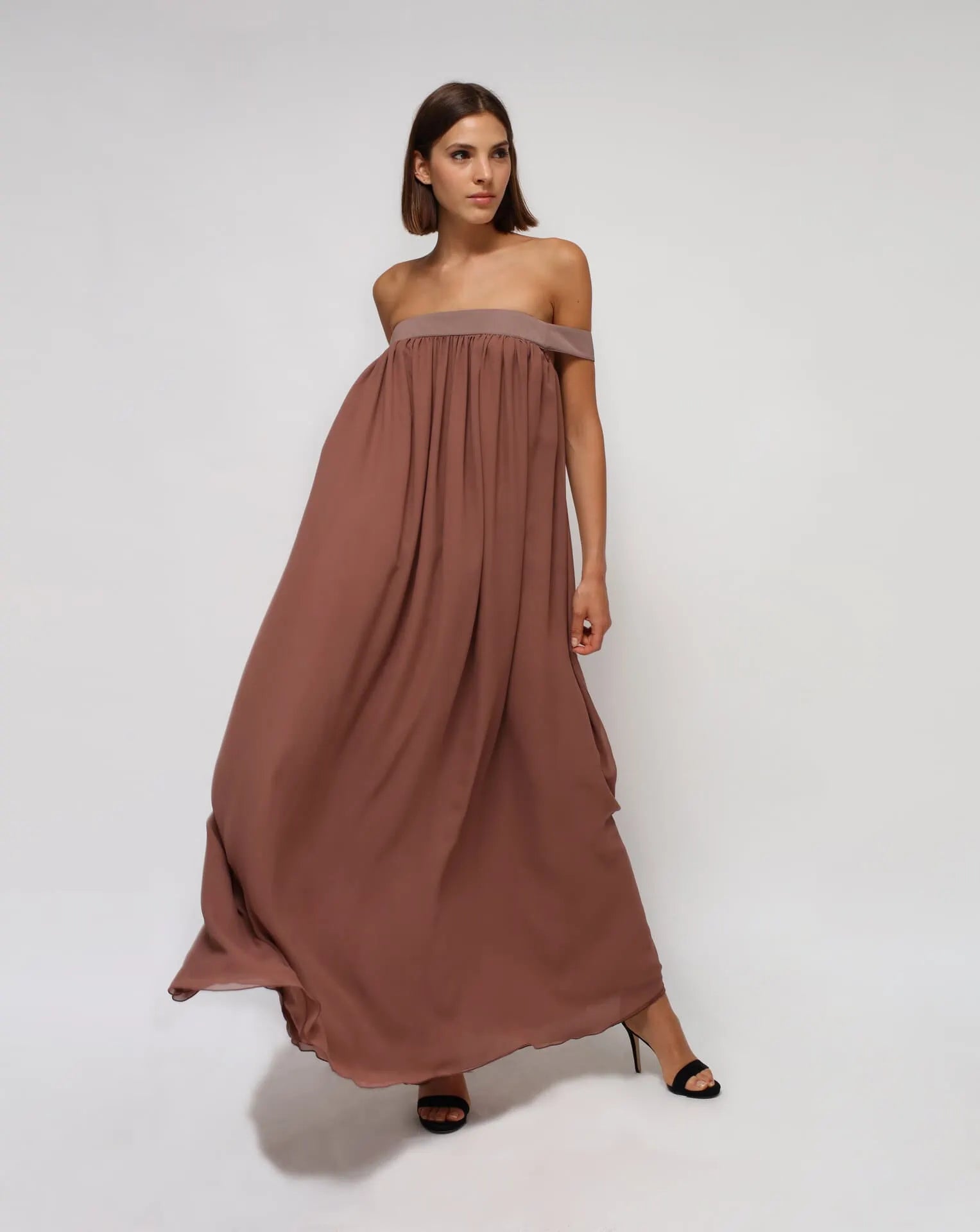
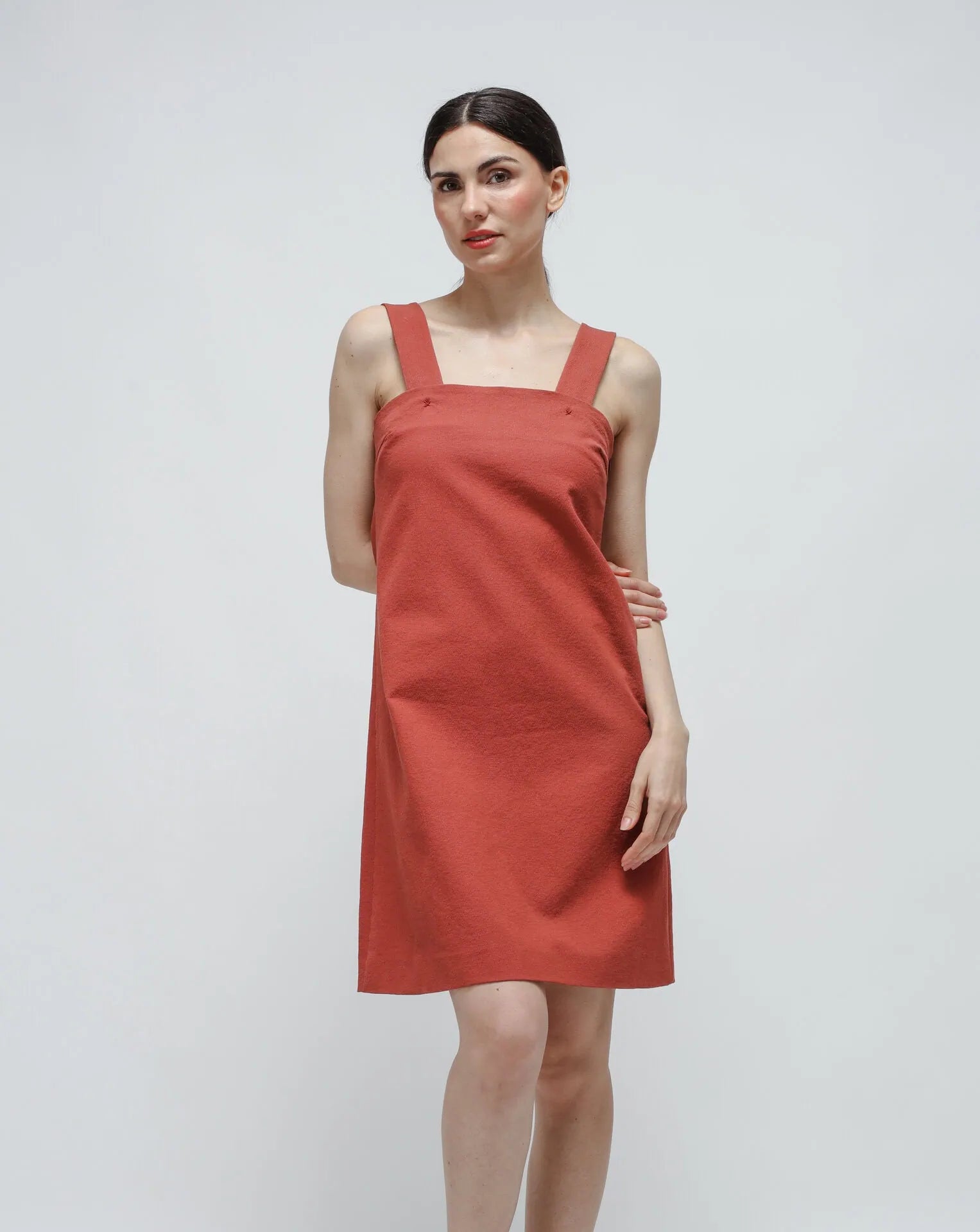
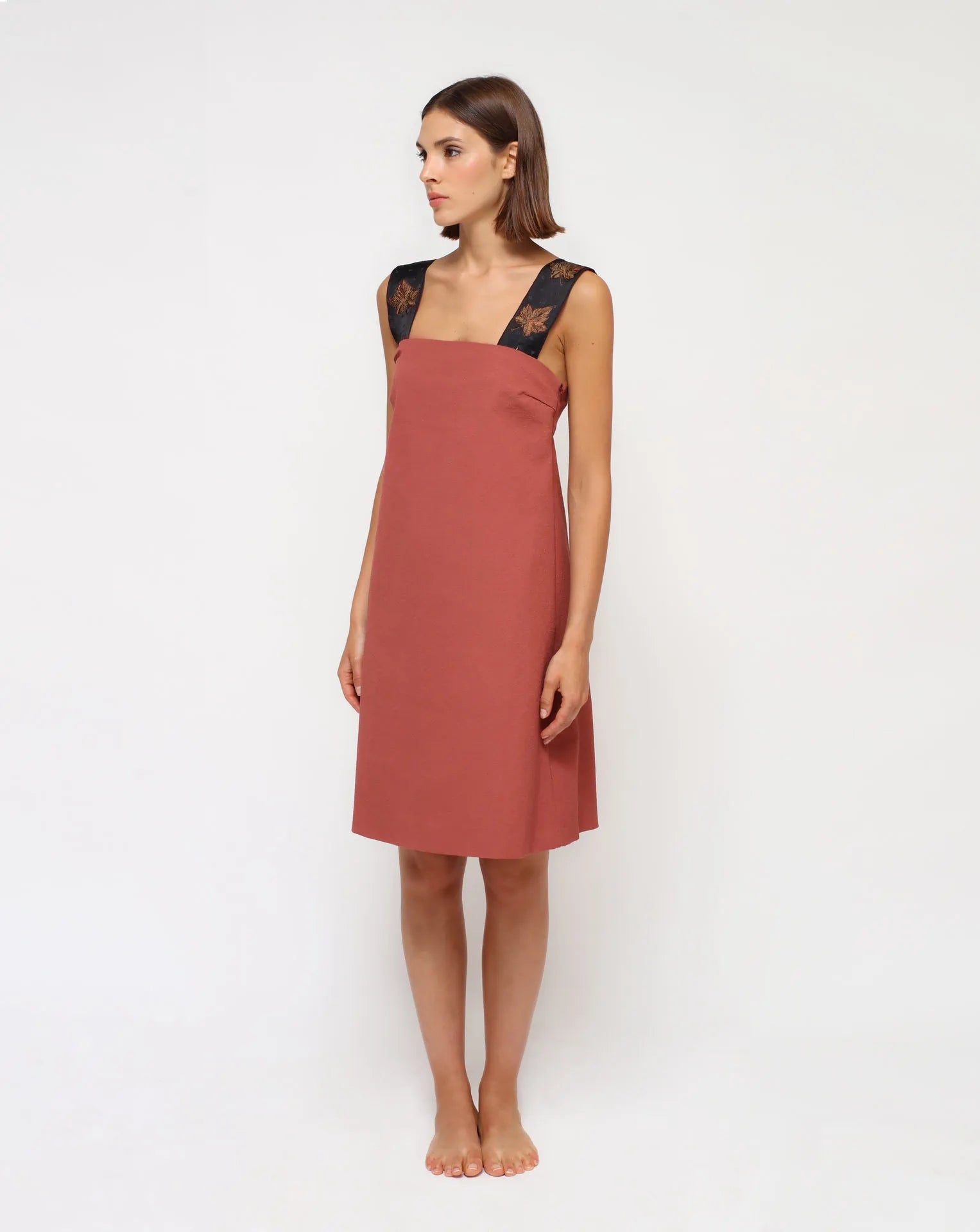
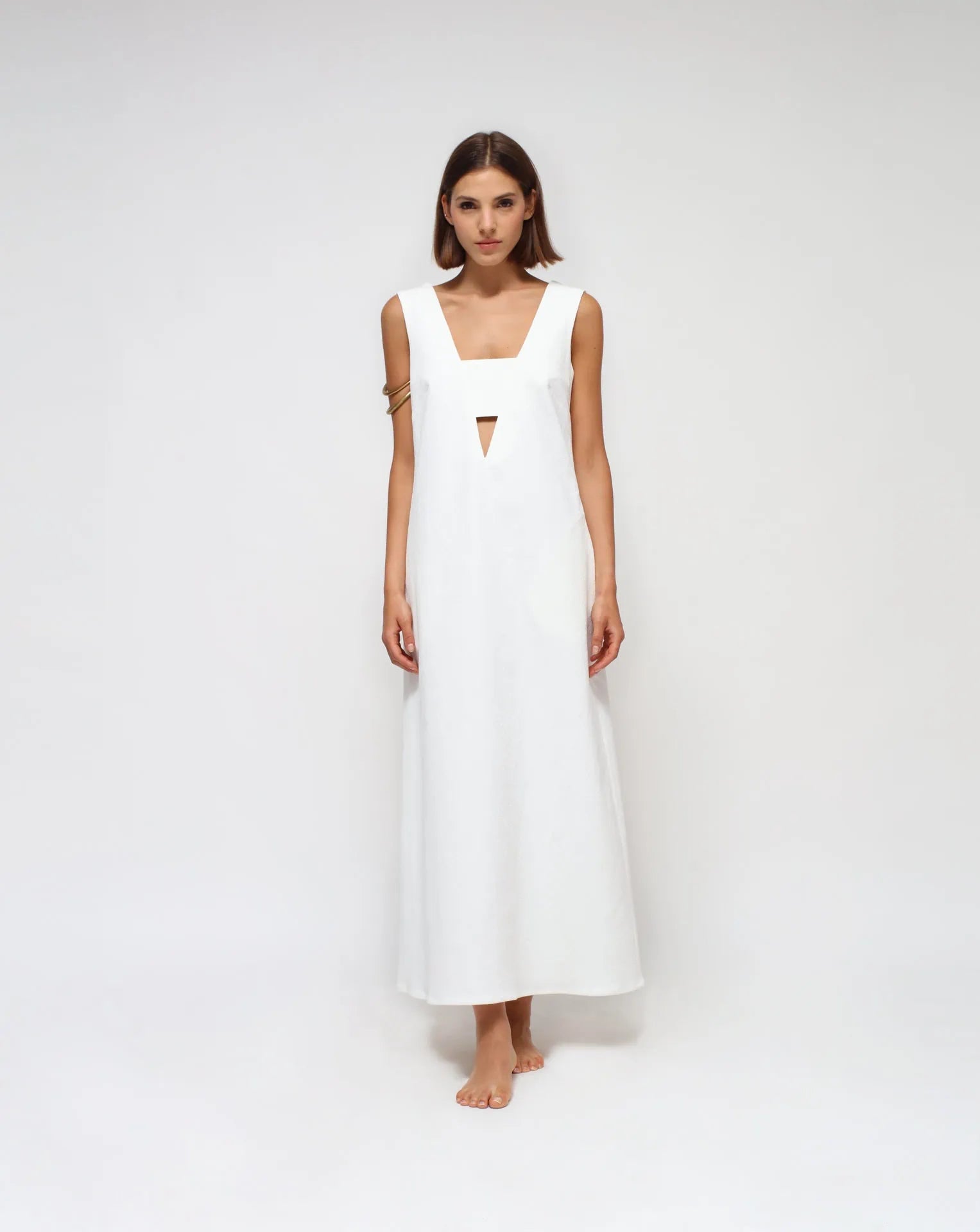
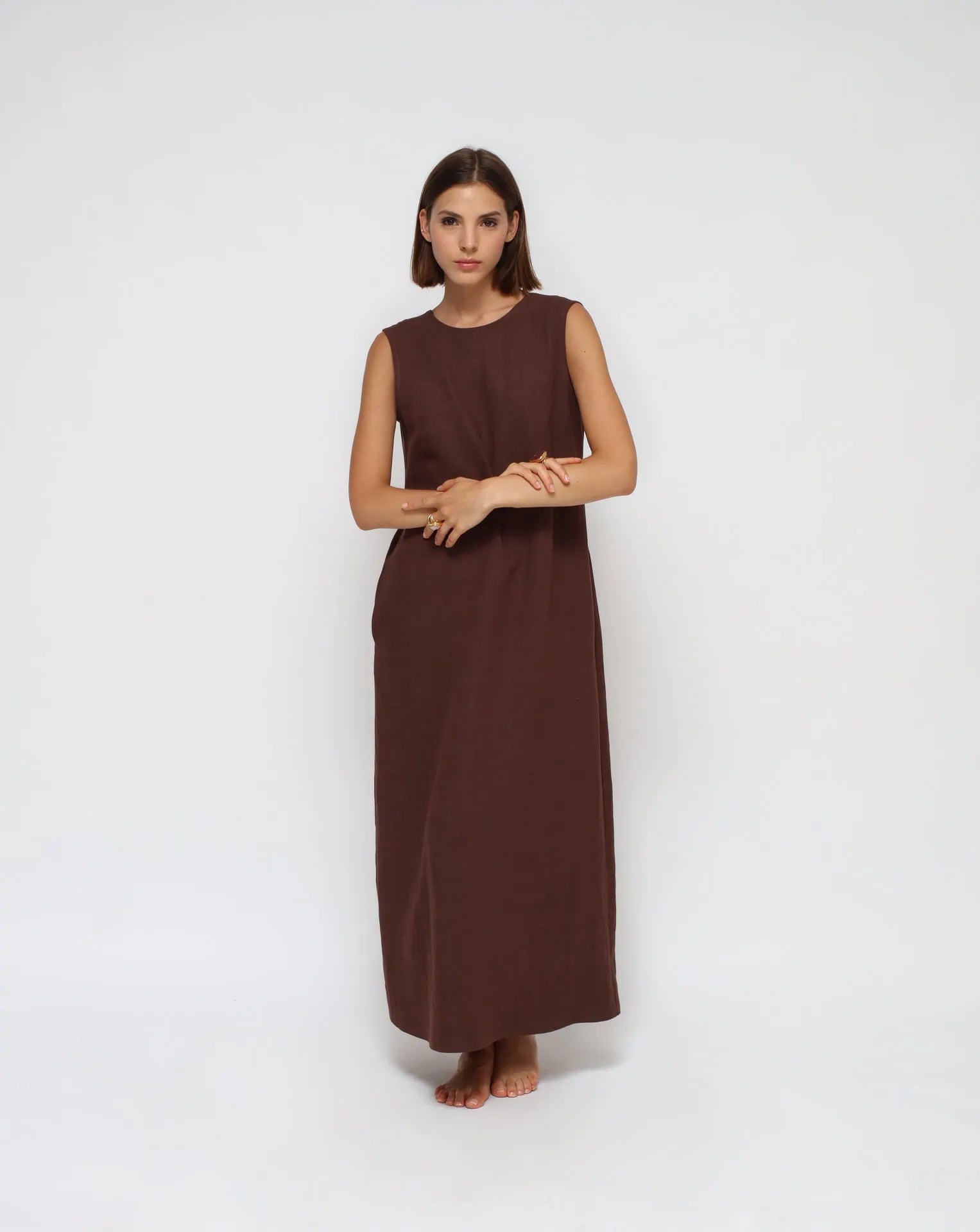
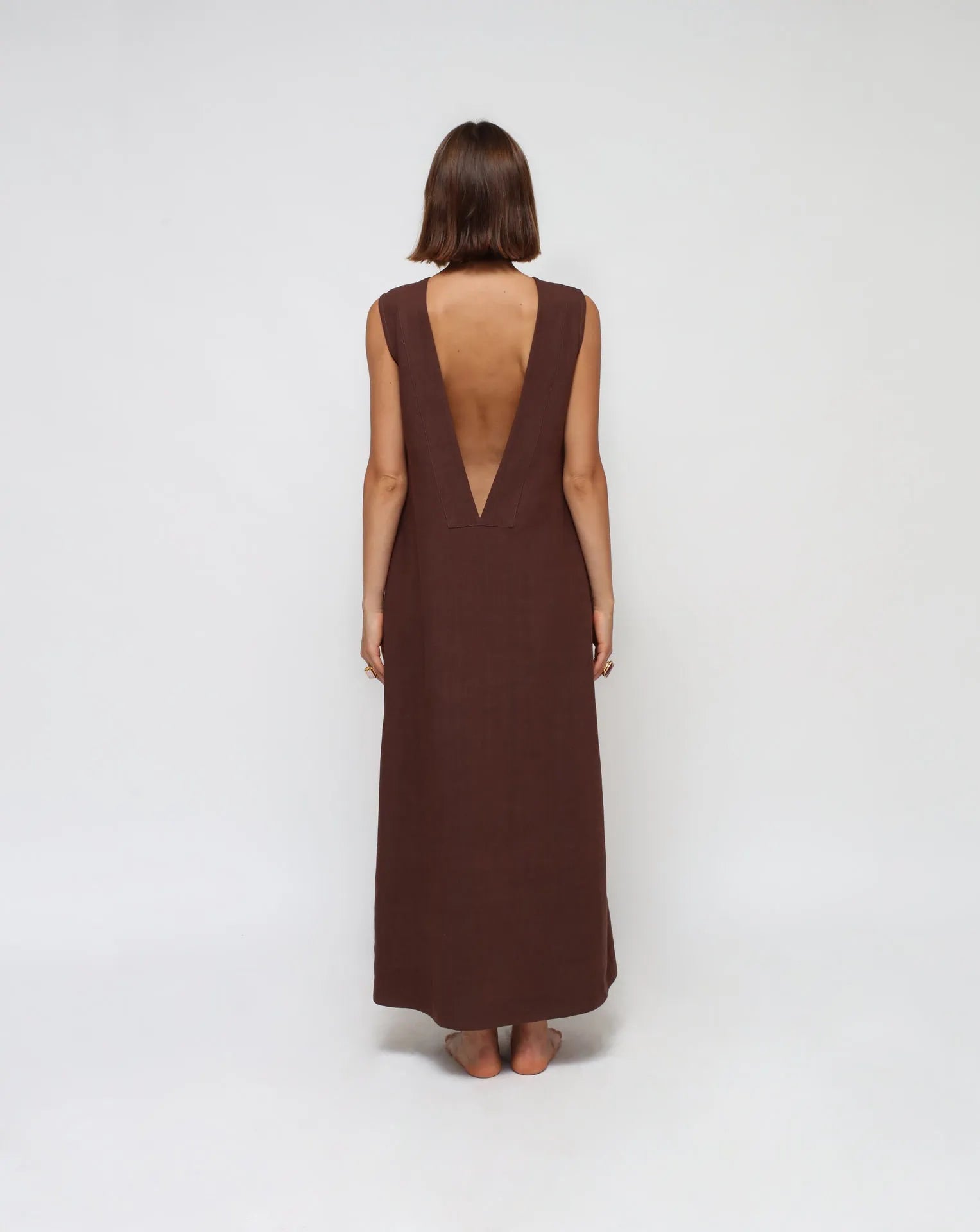
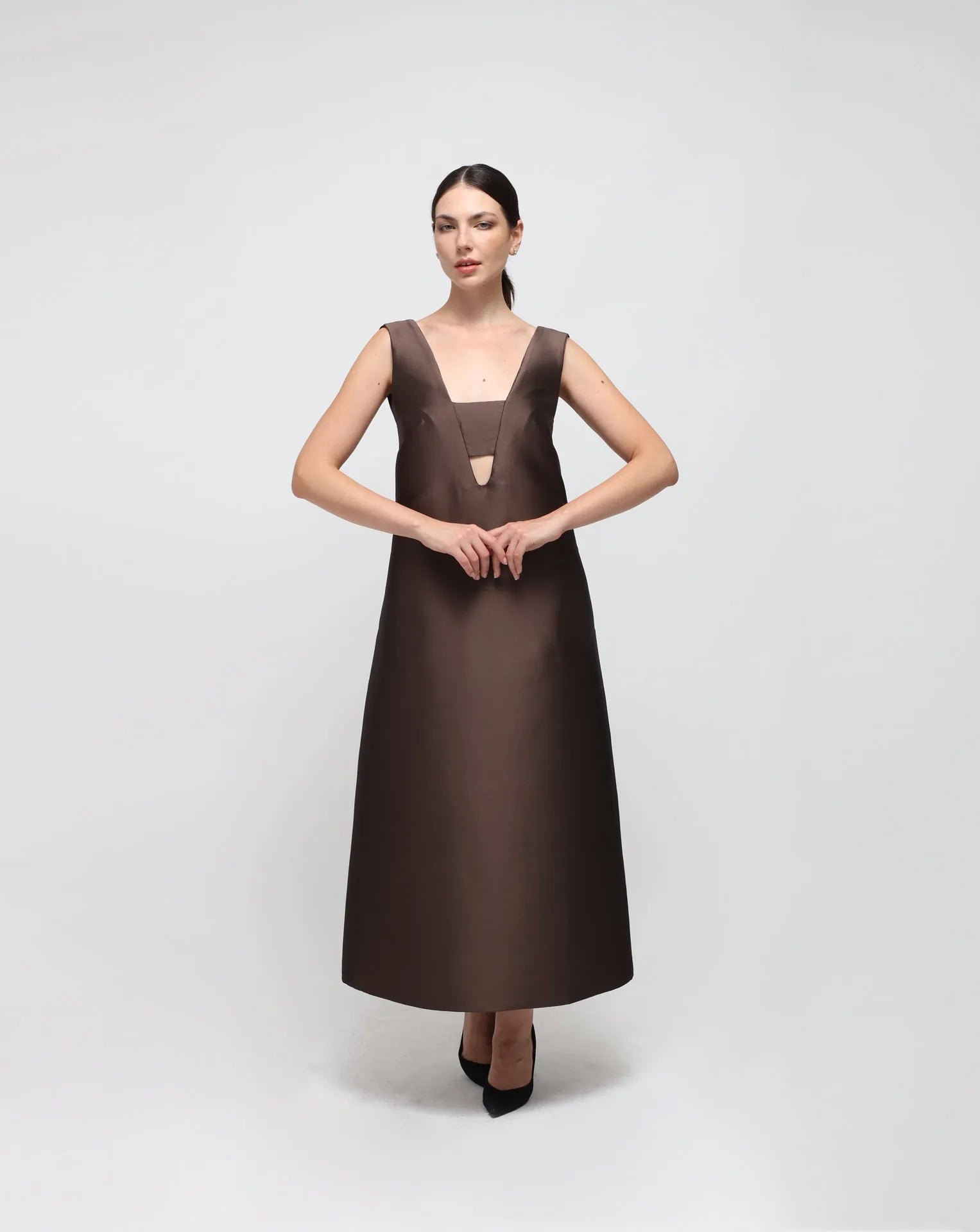
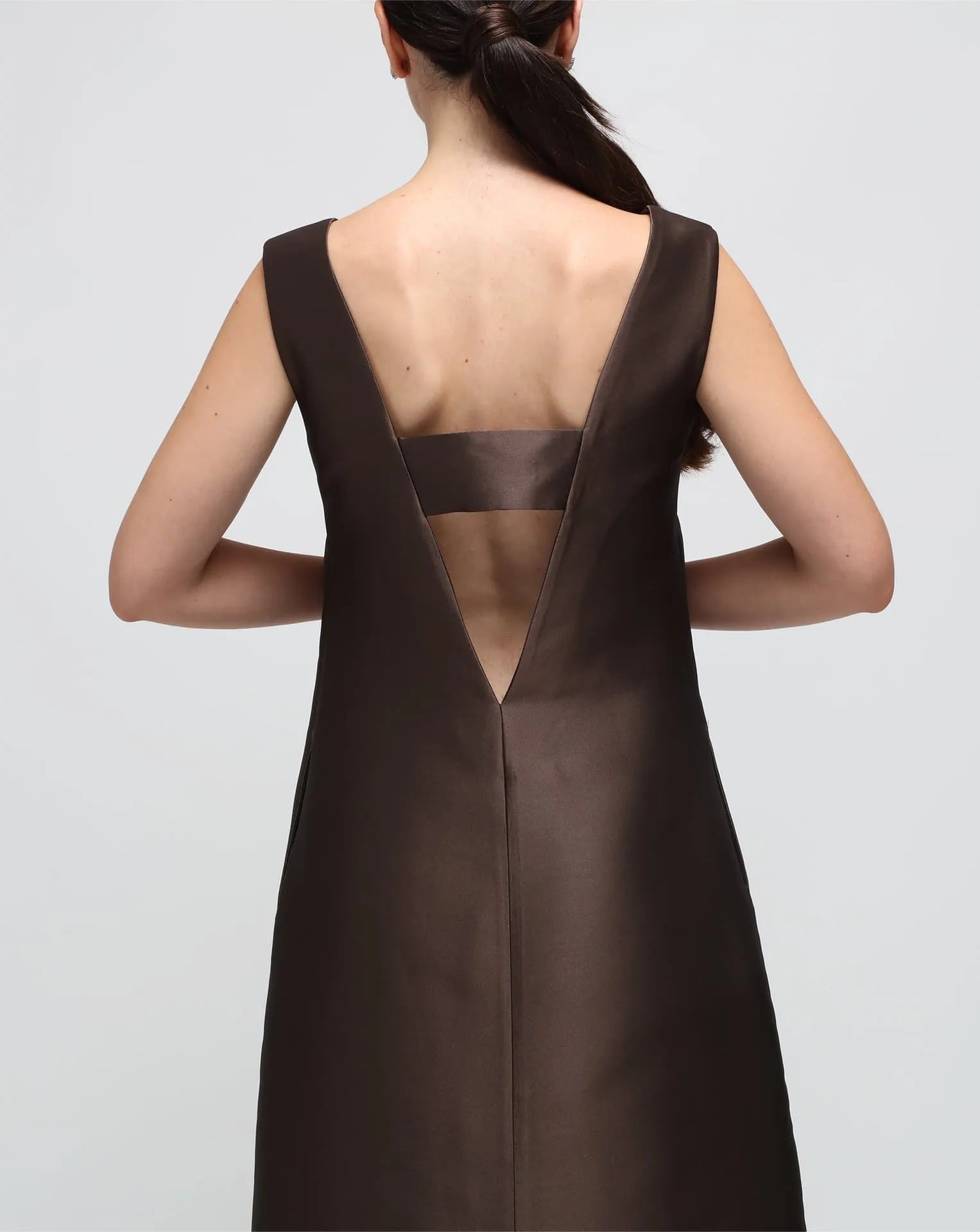
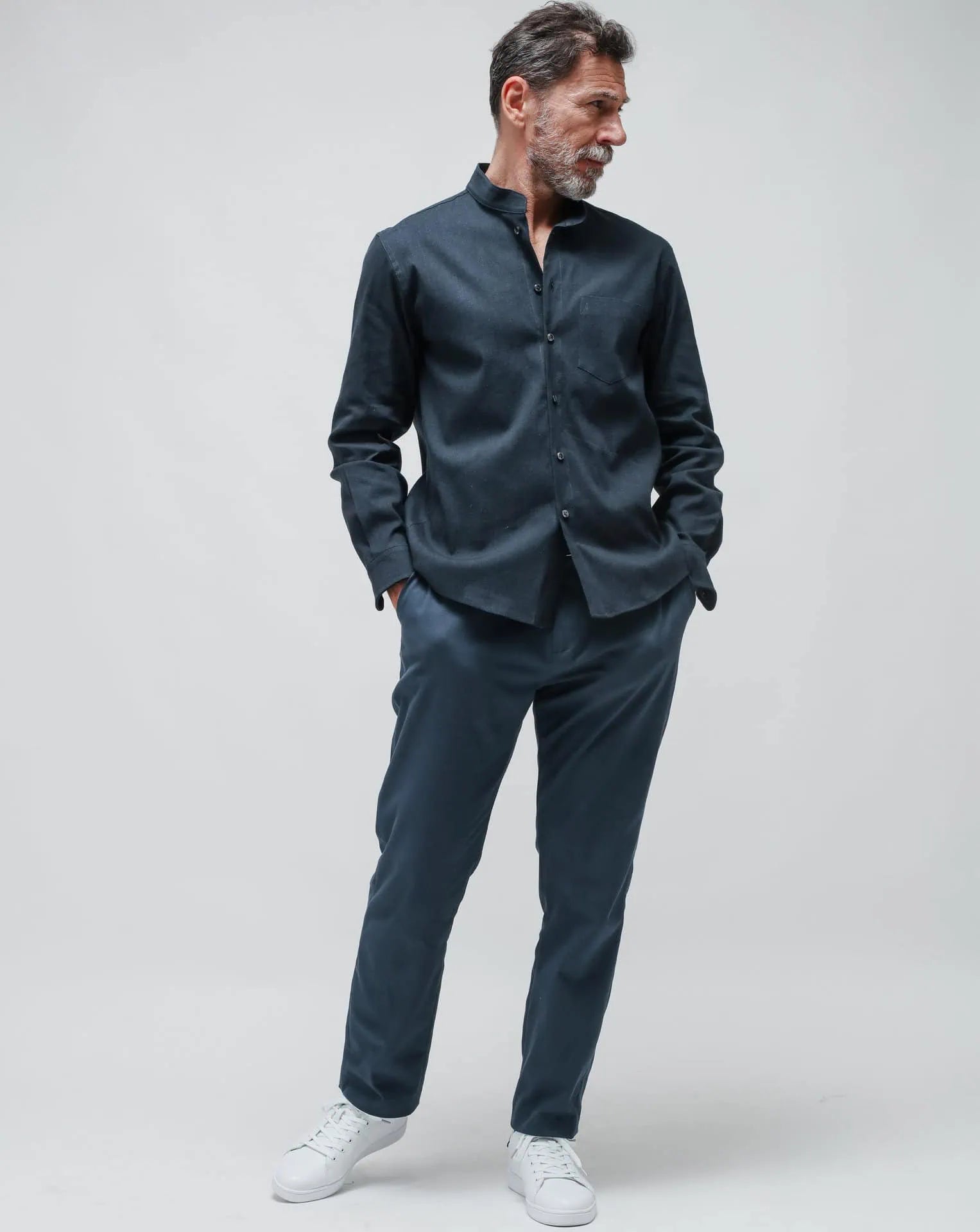
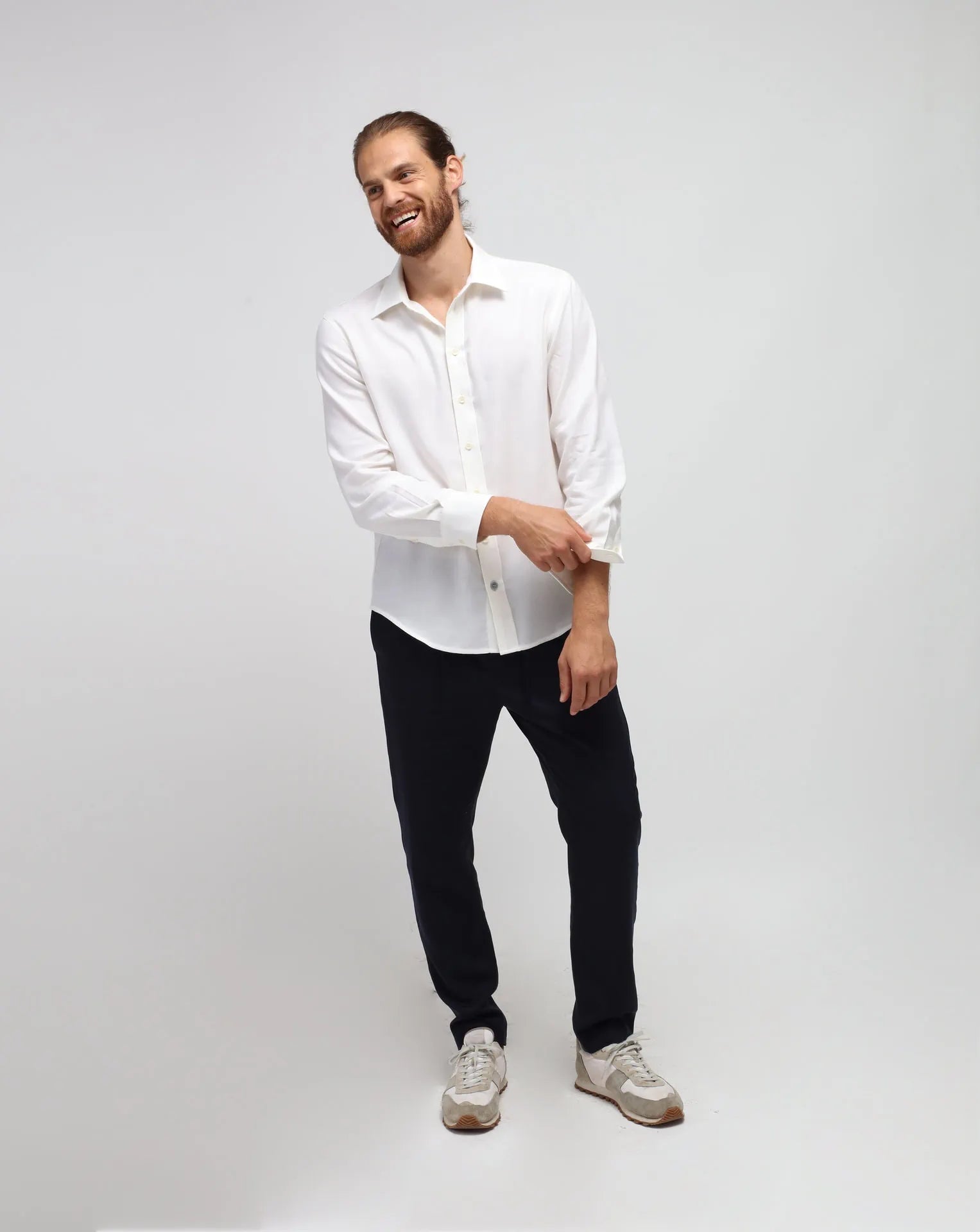
Dresses can be exceptionally efficient in a women’s capsule. A long-sleeve midi dress worn with boots and a coat handles an evening plan in one decision. For men, a well-cut shirt, knit, and trouser combination offers similar efficiency, moving easily from desk to dinner with a change of shoes or jacket.
A practical starting structure includes these categories:
- One to two coats or jackets that suit your climate
- Three to five knitwear and layering pieces
- Two to three trousers, jeans, skirts, or dresses
- Two shirts or refined tops for contrast
- Two pairs of reliable shoes, plus weather-appropriate boots
- A small selection of accessories for warmth and variation
Prioritize Fabric, Fit, and Construction
A smaller wardrobe asks more of every garment. Fabric is therefore not a detail. It determines warmth, drape, longevity, care requirements, and whether a piece will remain appealing after repeated wear.
Look for substantial natural fibers and blends that suit the garment’s purpose. Wool and wool blends offer insulation and structure for coats and tailoring. Cotton can be ideal for shirts and layering pieces. Dense knits provide warmth, while fluid fabrics can make a dress or blouse more adaptable across occasions. Deadstock fabrics are particularly considered because they give existing high-quality material a future rather than allowing it to become waste.
Fit deserves equal attention. A coat should accommodate the knitwear you will actually wear beneath it. Trousers should allow you to sit, walk, and commute comfortably. A shoulder seam that sits correctly and a hem length that works with your preferred shoes will make a garment feel intentional for years.
This may mean buying fewer pieces at a higher price point. That trade-off only makes sense when the garment is well made, versatile, and aligned with your life. Price alone is not proof of quality, and a so-called investment piece that stays unworn is still waste.
Create Outfits Before You Buy More
The fastest way to test a capsule is to make outfits on paper or on your bed before placing an order. Choose a coat, then build at least five looks around it. Pair each knit with two bottoms. Make sure your dress works with both your warmest outer layer and your everyday boots.
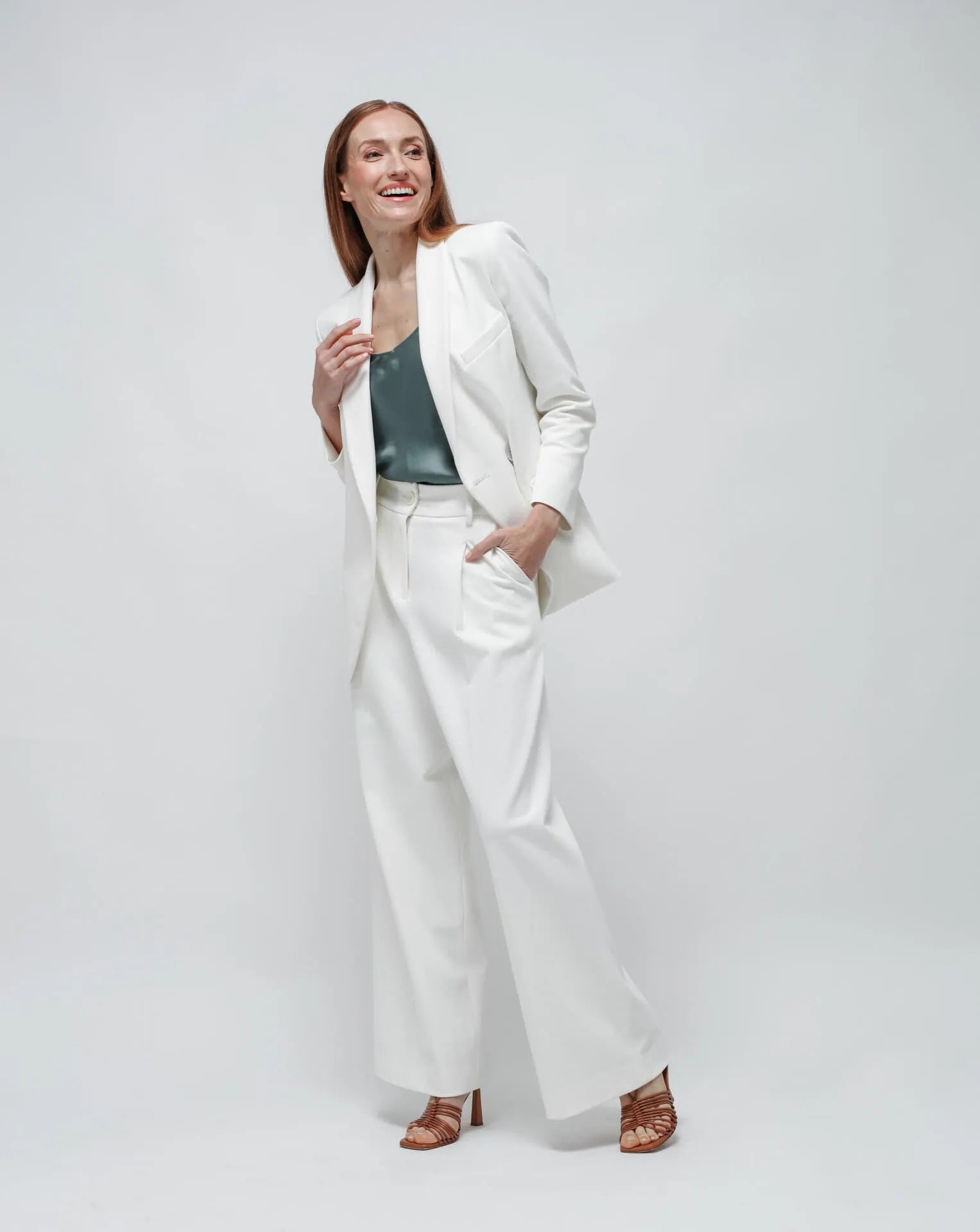
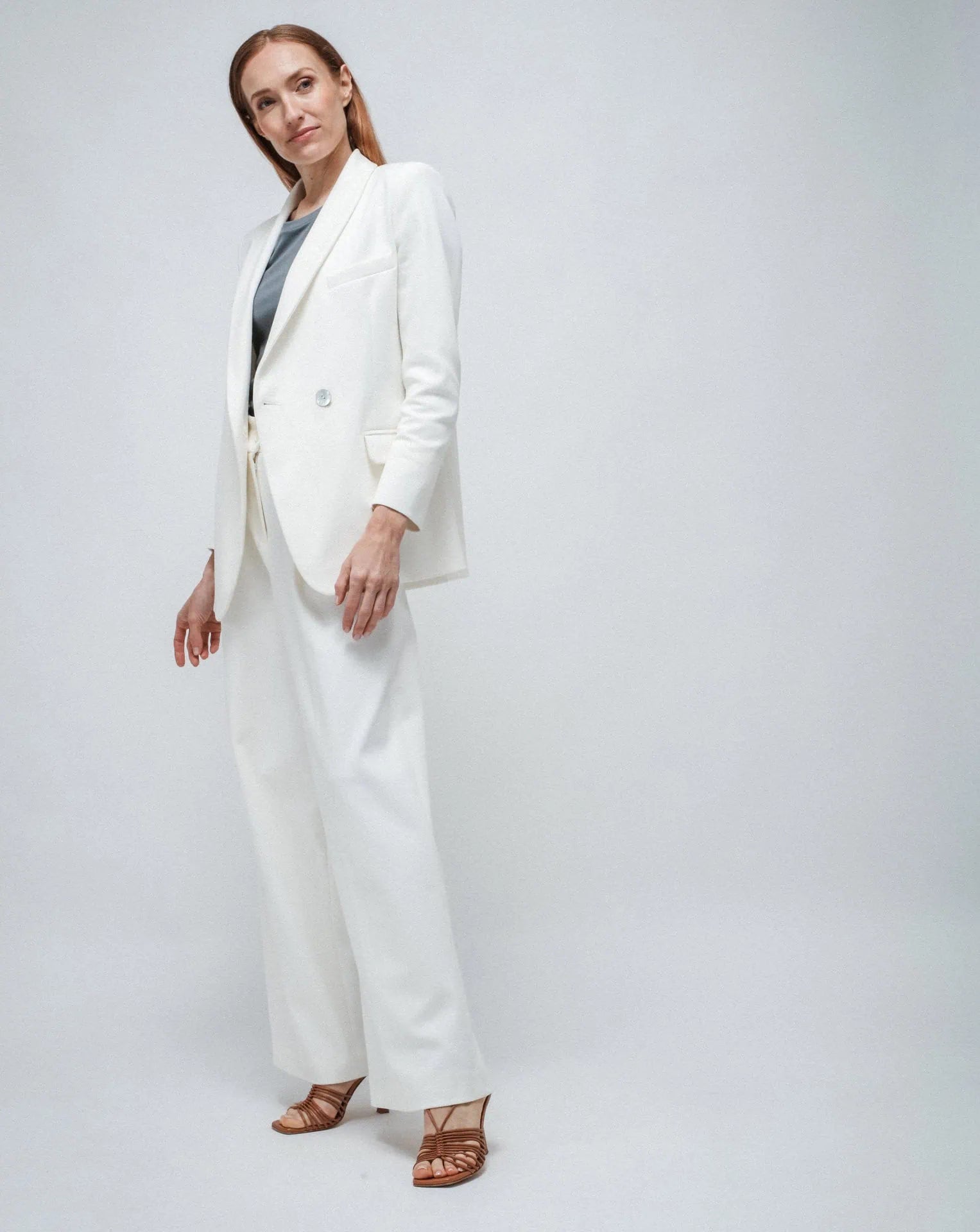
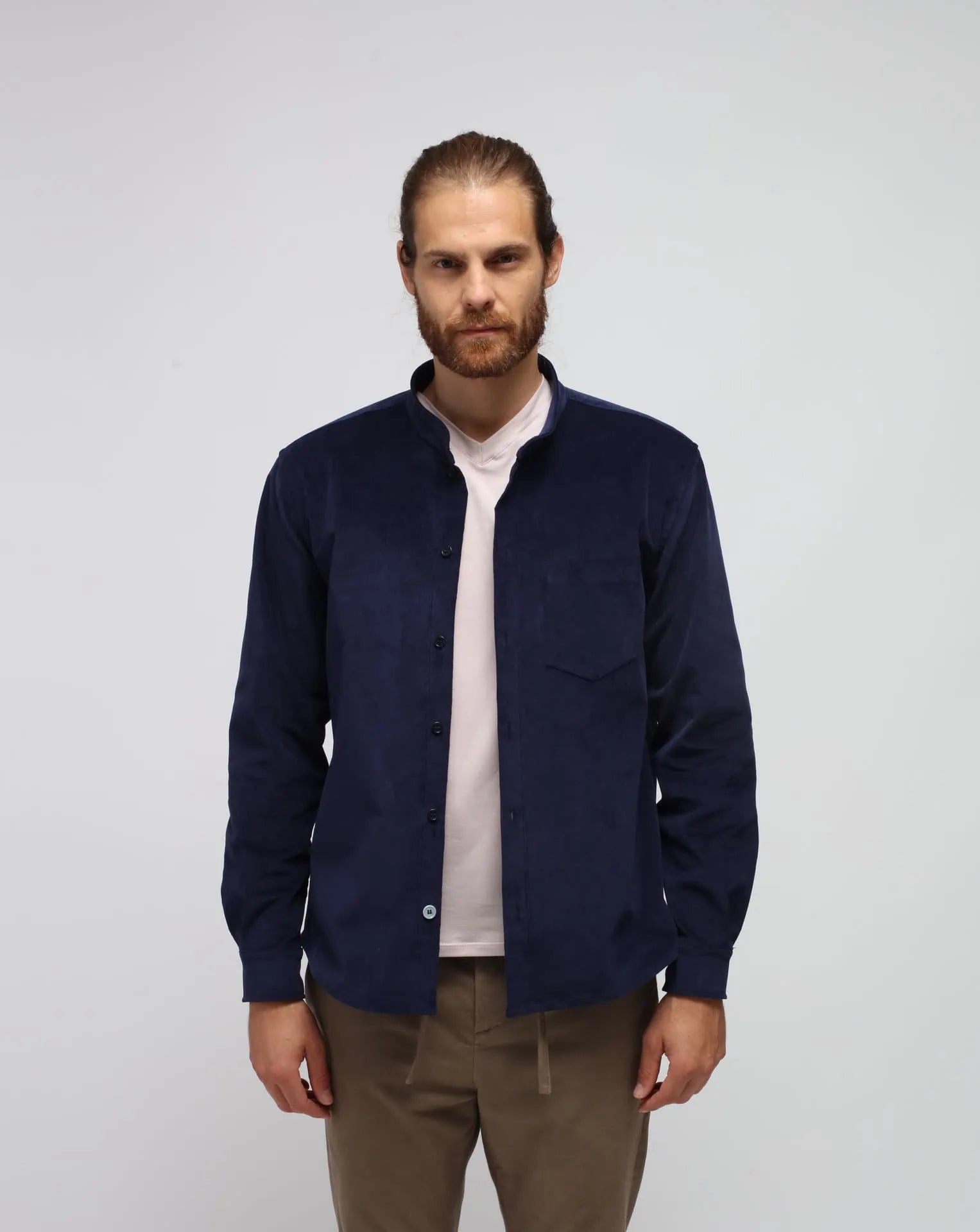
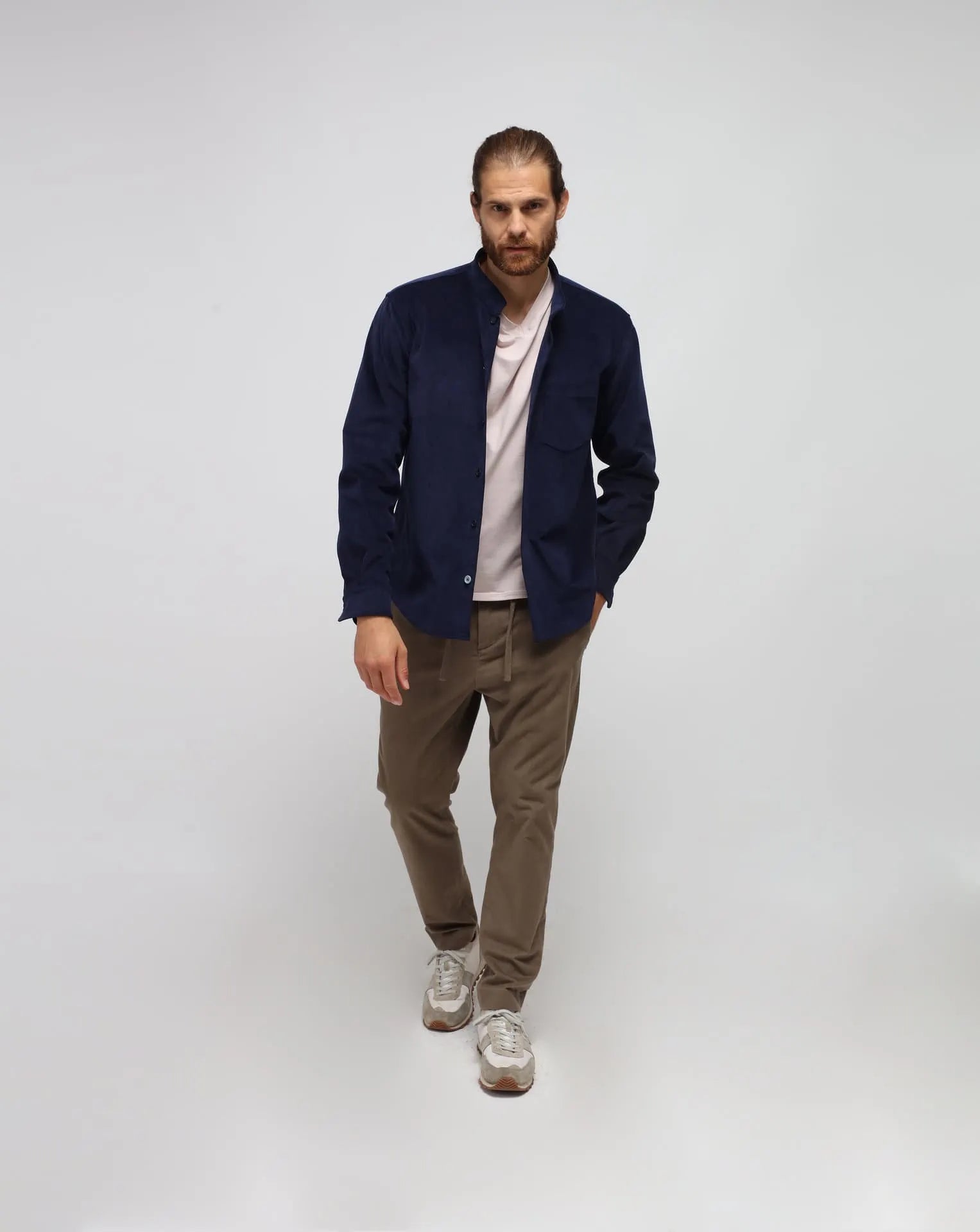
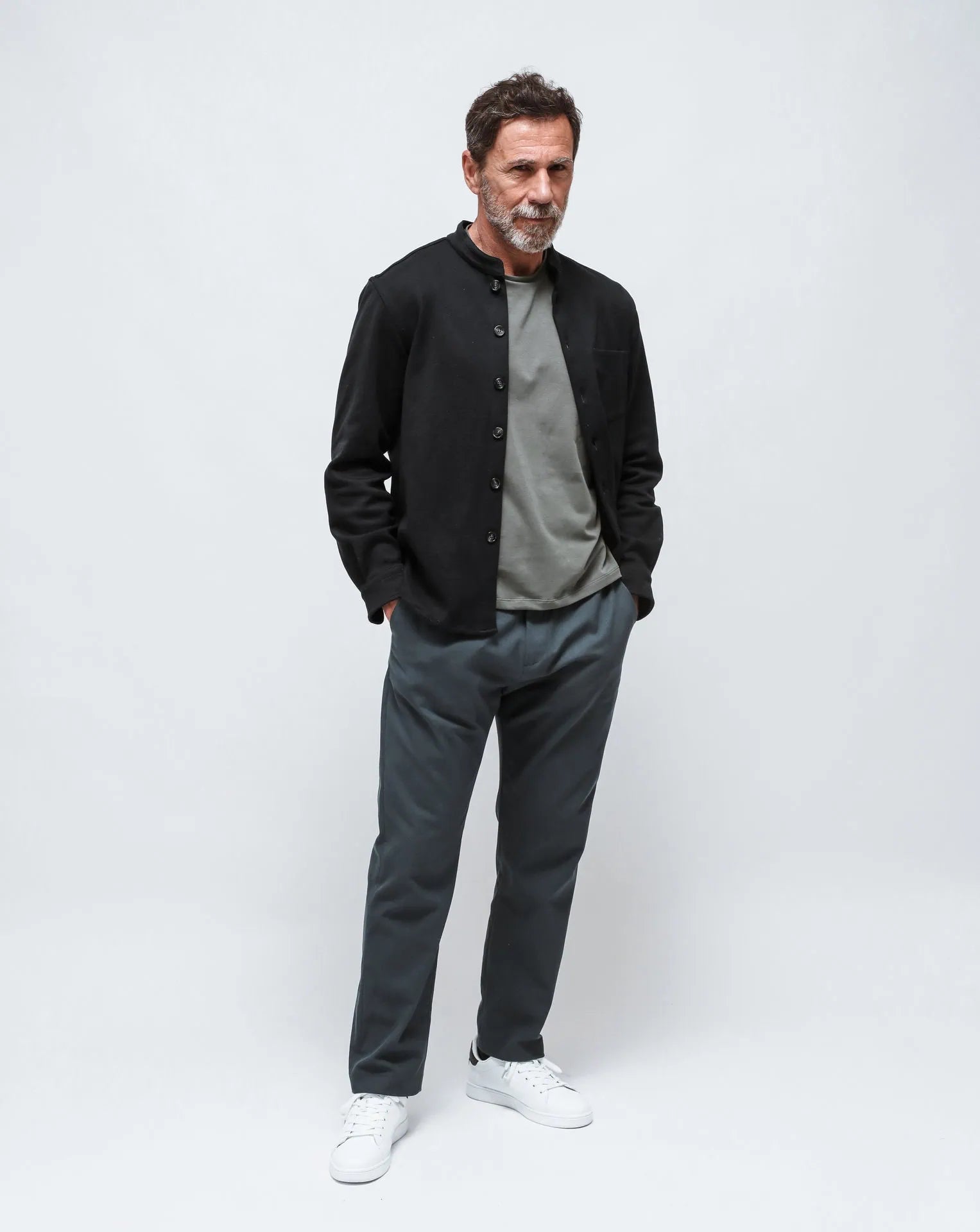
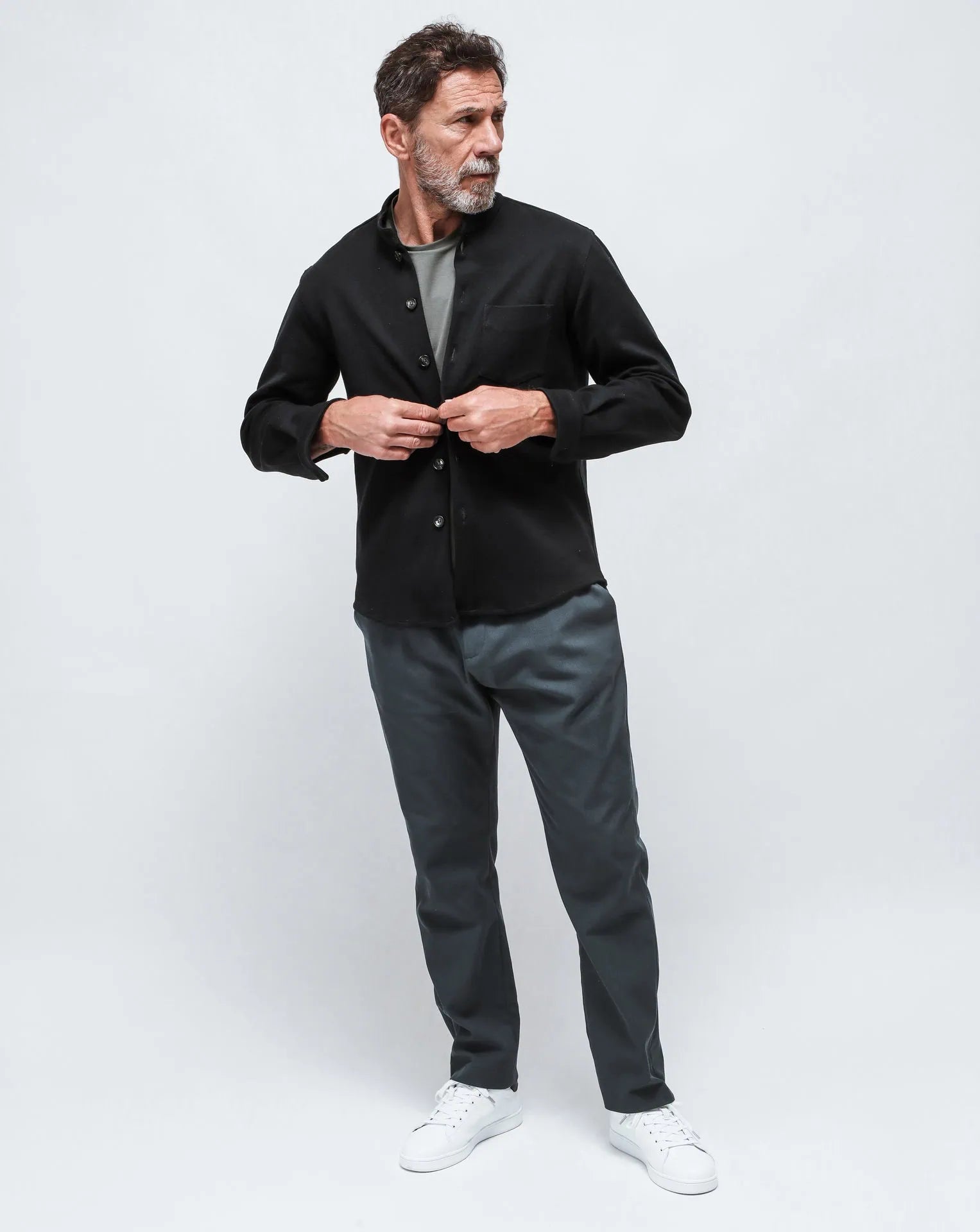
For example, a [Women's Tailored Black Trouser] could work with a fine knit and loafers for the office, a statement top and boots for dinner, or a structured jacket for a more formal setting. A [Men's Italian Wool Overshirt] could layer over a tee, under an overcoat, or with tailored pants for a relaxed but composed look. Product choices should multiply options, not create a new styling problem.
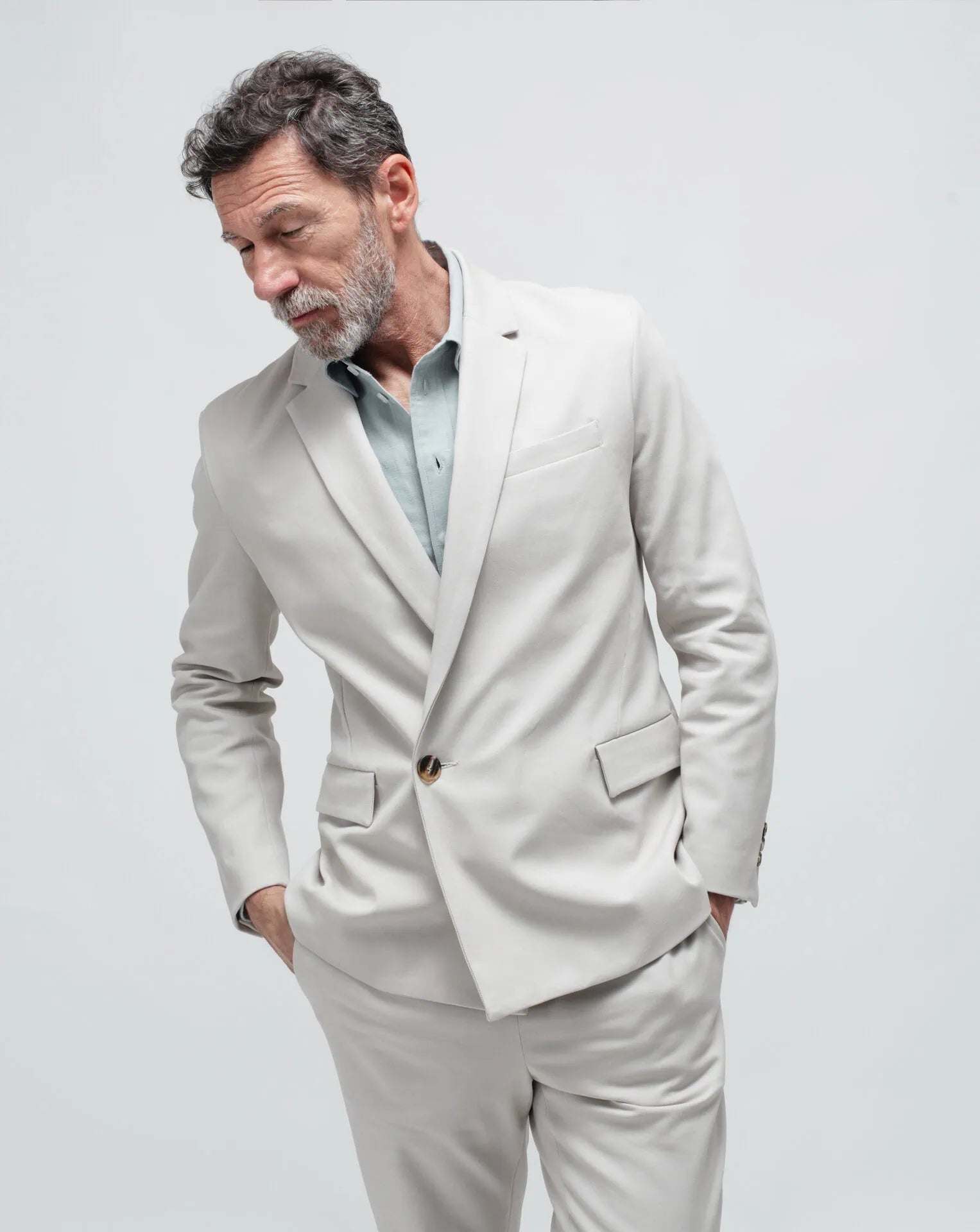
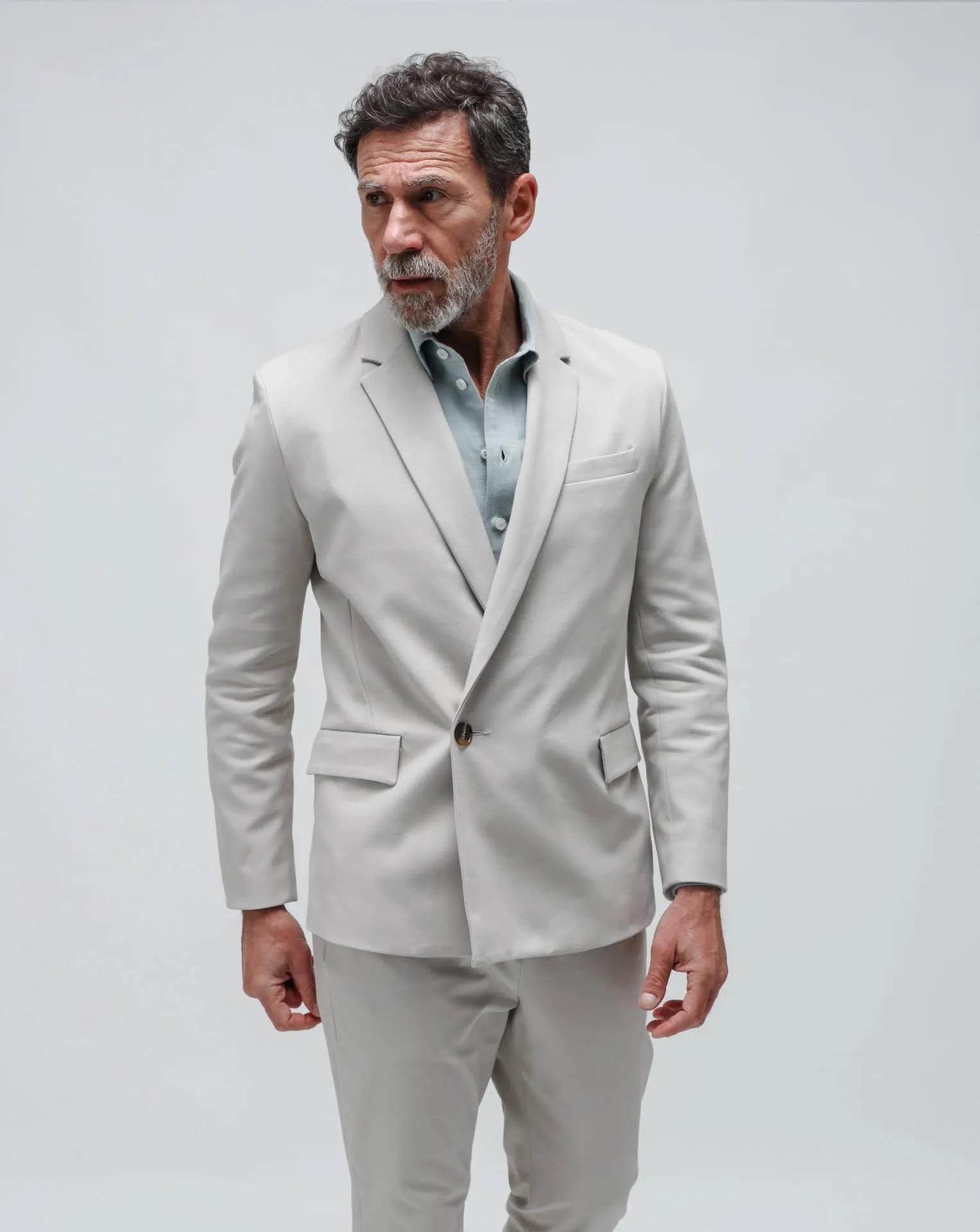
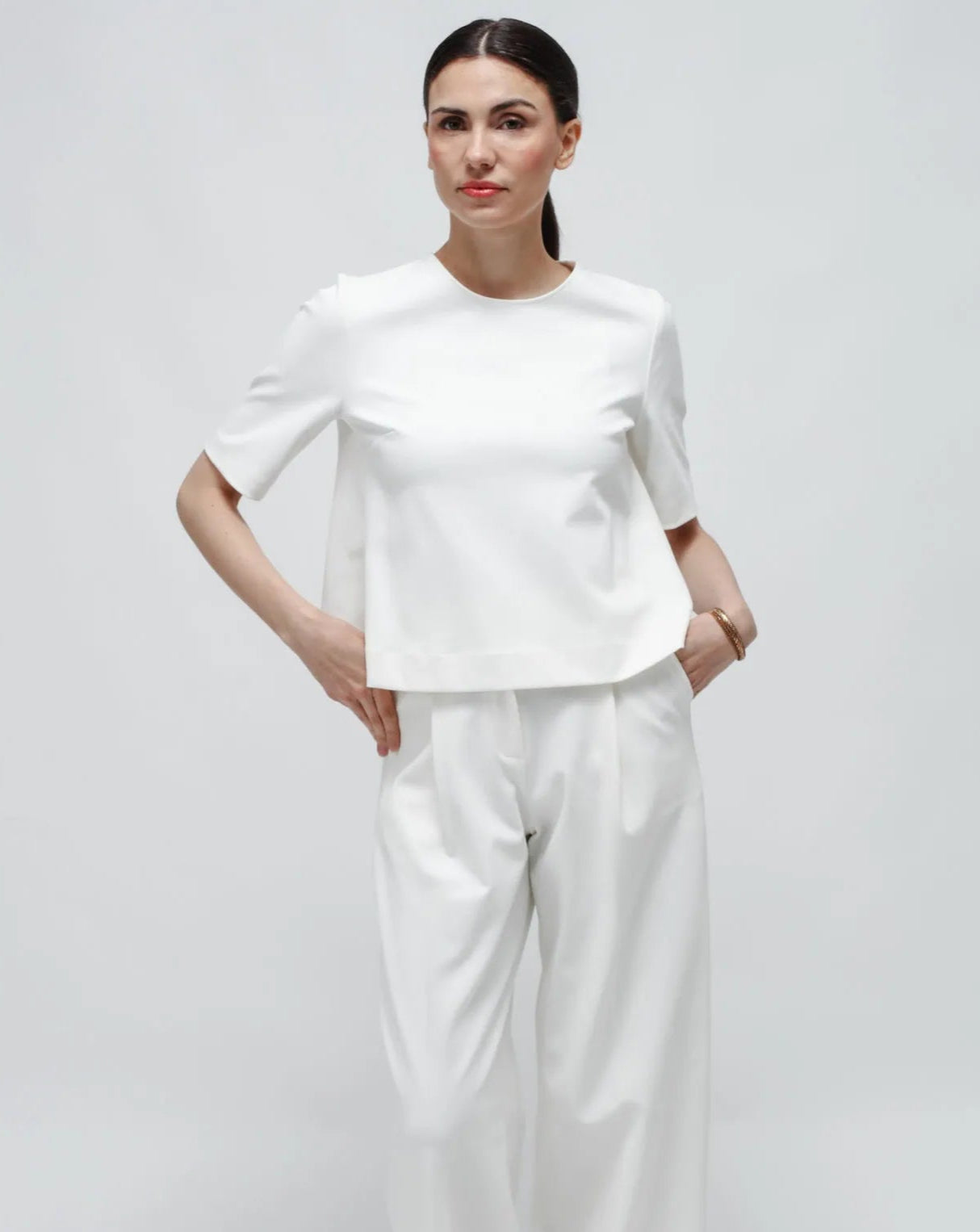
Coordinated sets deserve attention here. They can deliver the ease of a one-piece outfit while offering more combinations when worn separately. A matching jacket and pant can become a suit, then split into two distinct looks with knitwear or a shirt. That is the kind of versatility worth making room for.
Buy Slowly and Care Deliberately
A capsule wardrobe is built over time, not completed in one frantic order. Start with the pieces that solve the clearest problem, whether that is a proper winter coat, a pair of trousers that finally fit, or knitwear that can handle weekly wear. Leave space for discovery and for the unexpected piece that feels unmistakably yours.
Care is part of the purchase. Air out wool between wears, treat stains early, store knits folded, and use a steamer when appropriate. Repairing a loose button or refreshing a coat lining is often more responsible and more elegant than replacing a garment. Small-batch pieces made with care deserve the same consideration at home.
A well-built winter capsule should feel generous, not restrictive. It gives you fewer decisions, stronger outfits, and a clearer relationship with what you own. Let each new piece justify its presence through wear, craft, and the quiet confidence of being chosen on purpose.
FAQ
Q: How many pieces should be in a winter capsule wardrobe?
A: There is no universal number. Many people find that 20 to 35 clothing pieces, excluding underwear, workout gear, and special-occasion items, offers enough variety for winter. Your climate, laundry routine, and work schedule should determine the final count.
Q: What is the best first purchase for a winter capsule wardrobe?
A: Start with the item that addresses your biggest daily gap. For many people, that is a well-cut coat or versatile pair of tailored trousers. Choose the piece you will wear most often, not the one that feels most dramatic in the moment.
Q: Can a capsule wardrobe include statement pieces?
A: Yes. A capsule wardrobe does not need to be neutral from head to toe. A sculptural jacket, rich-colored knit, or distinctive dress belongs if it pairs with several existing pieces and feels true to your style.
Q: How do I build a capsule wardrobe without getting rid of everything I own?
A: Begin by editing, not purging. Set aside what no longer fits your life, keep the pieces you wear and love, then identify gaps gradually. The most sustainable wardrobe is often the one you already own, refined with intention.
Q: Are deadstock fabrics suitable for winter clothing?
A: Yes. Deadstock refers to unused, existing fabric rather than a single fiber type. When selected thoughtfully, deadstock wool, cotton, and elevated blends can create warm, durable winter garments while helping prevent quality material from going to waste.